Approximately 800,000 people in the United States experience a stroke annually, with a significant portion potentially preventable through proactive health management, according to the American Stroke Association's American Stroke Month campaign.
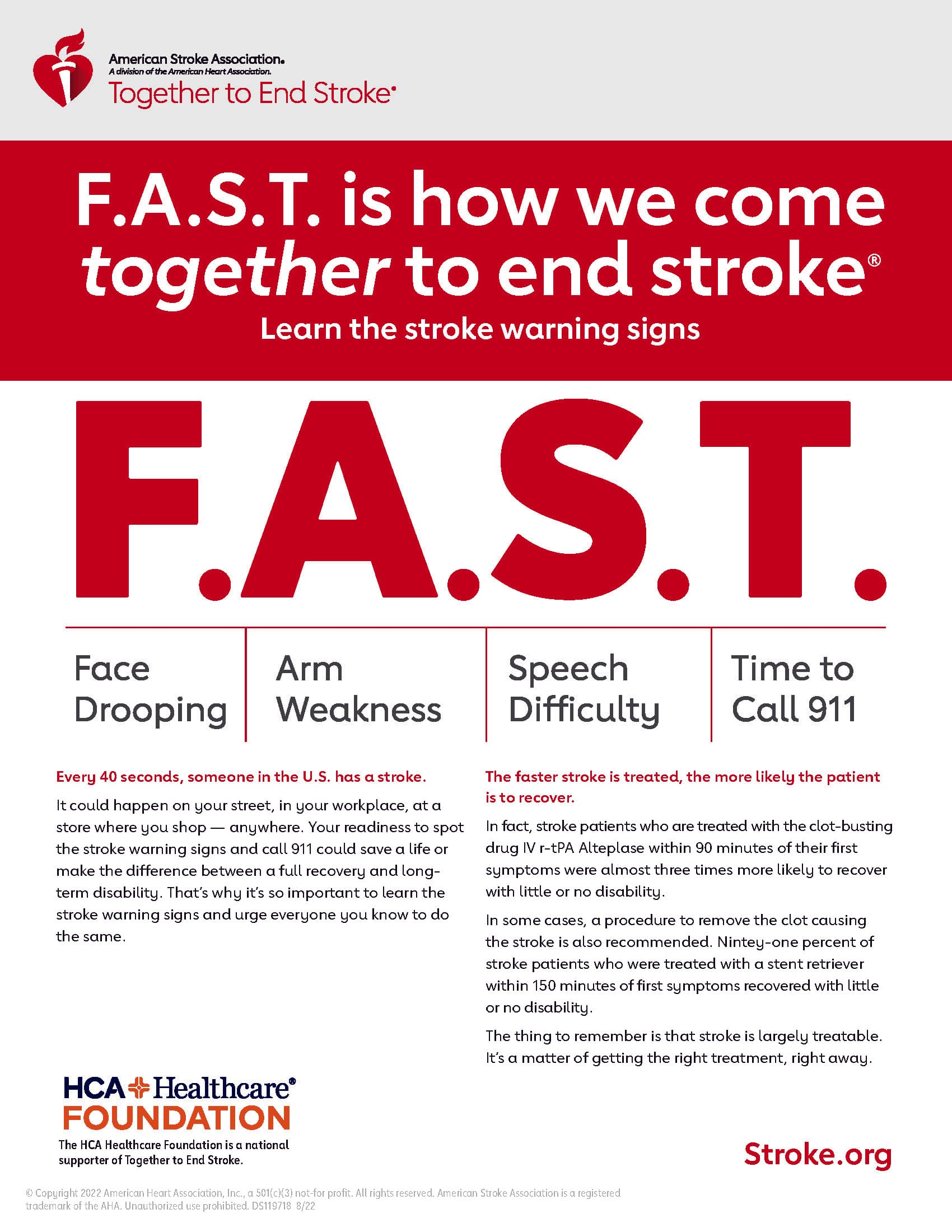
The organization underscores the importance of recognizing stroke symptoms quickly using the F.A.S.T. method: Face drooping, Arm weakness, Speech difficulty, and Time to call 911. Early medical intervention can significantly improve survival and recovery chances.
Stroke risks are notably higher among Black and Hispanic adults, driven by factors including high blood pressure, obesity, diabetes, and socioeconomic barriers to healthcare access. Nearly half of U.S. adults have high blood pressure, a leading controllable stroke risk factor.
Prevention strategies include managing blood pressure, maintaining a healthy lifestyle, monitoring health conditions like atrial fibrillation and diabetes, and reducing risks for recurring strokes. Approximately one in four stroke survivors will experience a subsequent stroke, highlighting the critical nature of comprehensive prevention and management.
The American Stroke Association recommends tracking health metrics, understanding individual risk factors, and consulting healthcare providers to develop personalized stroke prevention plans. By raising awareness and promoting proactive health strategies, the campaign aims to reduce stroke incidence and improve overall cardiovascular health.