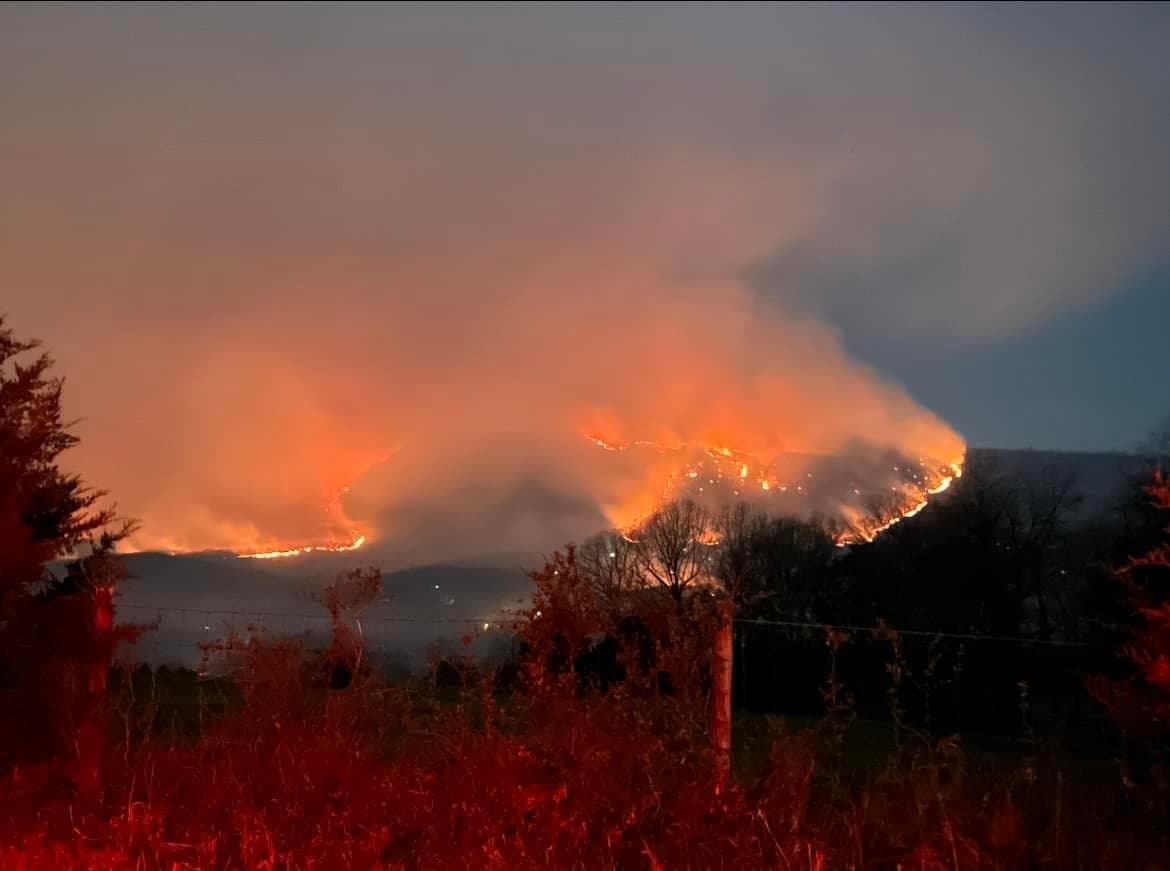
The American Heart Association has issued a warning about the cardiovascular health risks associated with exposure to wildfire smoke, currently drifting into the U.S. from Canada. Dr. Keith Churchwell, the Association's volunteer president, emphasizes the importance of recognizing the impact on heart health, beyond the well-documented respiratory dangers. Wildfire smoke contains fine, microscopic particles known to increase cardiovascular risk, affecting areas far beyond the immediate fire zones.
Research presented at the American Heart Association’s Scientific Sessions 2023 and studies published in the Journal of the American Heart Association have shown a significant association between wildfire smoke exposure and increased hospitalizations for heart-related conditions. These include unstable chest pain, out-of-hospital cardiac arrests, and a rise in emergency room visits for ischemic heart disease, irregular heart rhythms, and strokes, particularly among adults aged 65 and older.
Dr. Churchwell advises the public to be vigilant for signs of heart attacks or strokes, such as chest discomfort, shortness of breath, and unusual fatigue, and to seek immediate medical attention if these symptoms occur. He also recommends practical steps to reduce exposure to wildfire smoke, including staying indoors, using air purifiers, and staying hydrated. The U.S. Environmental Protection Agency's air quality tracking at airnow.gov is a valuable resource for monitoring local air quality conditions.
The American Heart Association underscores the importance of preparedness and protection against the harmful effects of wildfire smoke, advocating for the use of portable air cleaners as an effective measure to reduce indoor particulate matter. With the ongoing wildfire situation in Canada, the Association urges the public to take the necessary precautions to safeguard their heart health amidst the widespread smoke exposure.