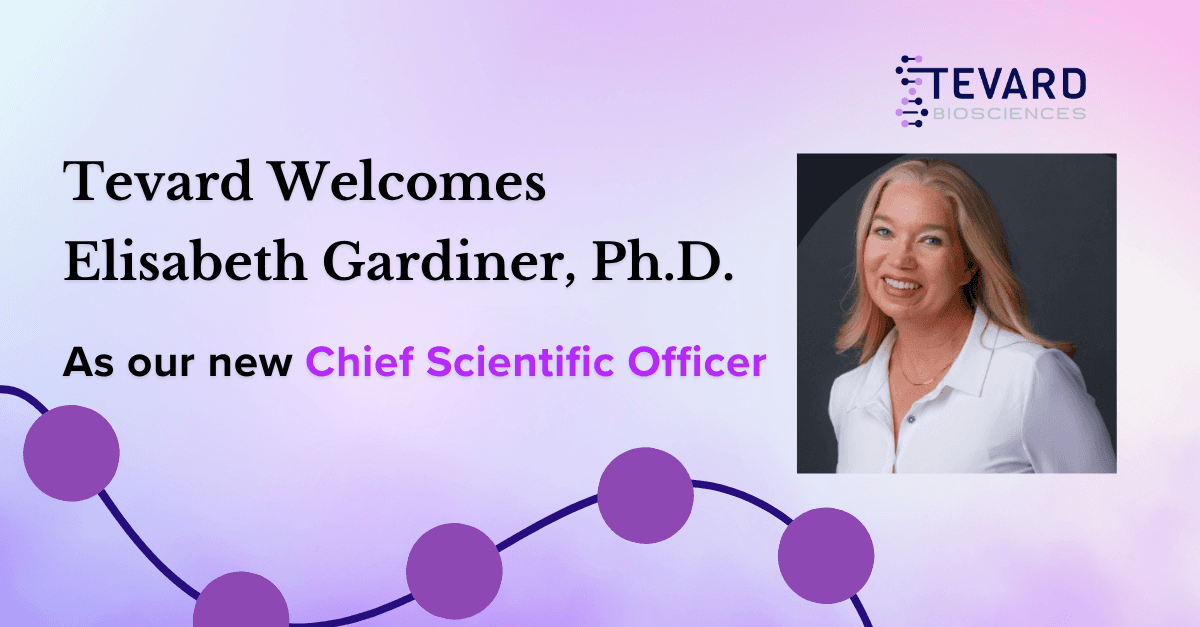
Tevard Biosciences, Inc., a biotechnology firm specializing in tRNA-based therapies for genetic diseases, has announced the appointment of Dr. Elisabeth Gardiner as its Chief Scientific Officer. With over 25 years of experience in drug discovery and development, Dr. Gardiner's leadership is expected to accelerate the company's mission to develop durable treatments targeting the root causes of genetic disorders. Her role will focus on expanding Tevard's platform of engineered suppressor tRNAs, which have shown promise in restoring full-length dystrophin in a Duchenne Muscular Dystrophy (DMD) model.
Daniel Fischer, Co-Founder, President, and CEO of Tevard Biosciences, highlighted Dr. Gardiner's scientific rigor and patient-centered approach as key to the company's goals. Her extensive background in scaling discovery and translational programs is seen as vital for advancing Tevard's lead program towards clinical trials and broadening its pipeline across various indications.
Dr. Gardiner's previous roles include Chief Scientific Officer at Tactile Therapeutics and advisory positions at General Inception, where she supported early-stage companies in neuroscience and oncology. Her career achievements include contributing to 11 IND filings and advancing five therapies into clinical trials, underscoring her capability to drive Tevard's research and development efforts forward.
Dr. Gardiner expressed enthusiasm for Tevard's suppressor tRNA platform, noting its potential to overcome limitations of conventional gene therapy and editing methods. The platform's ability to precisely correct nonsense mutations and restore functional proteins offers hope for treating diseases previously deemed untreatable by traditional approaches. Tevard's recent preclinical success in a DMD mouse model, where its tRNA-based therapeutic restored dystrophin expression and motor function without adverse effects, exemplifies the platform's transformative potential.
Looking ahead, Tevard is rapidly progressing its lead program targeting TTN-related dilated cardiomyopathy, with new data anticipated soon. The company is also conducting preclinical work in Dravet syndrome and other developmental and epileptic encephalopathies, signaling a broad commitment to addressing unmet medical needs through innovative tRNA-based therapies.