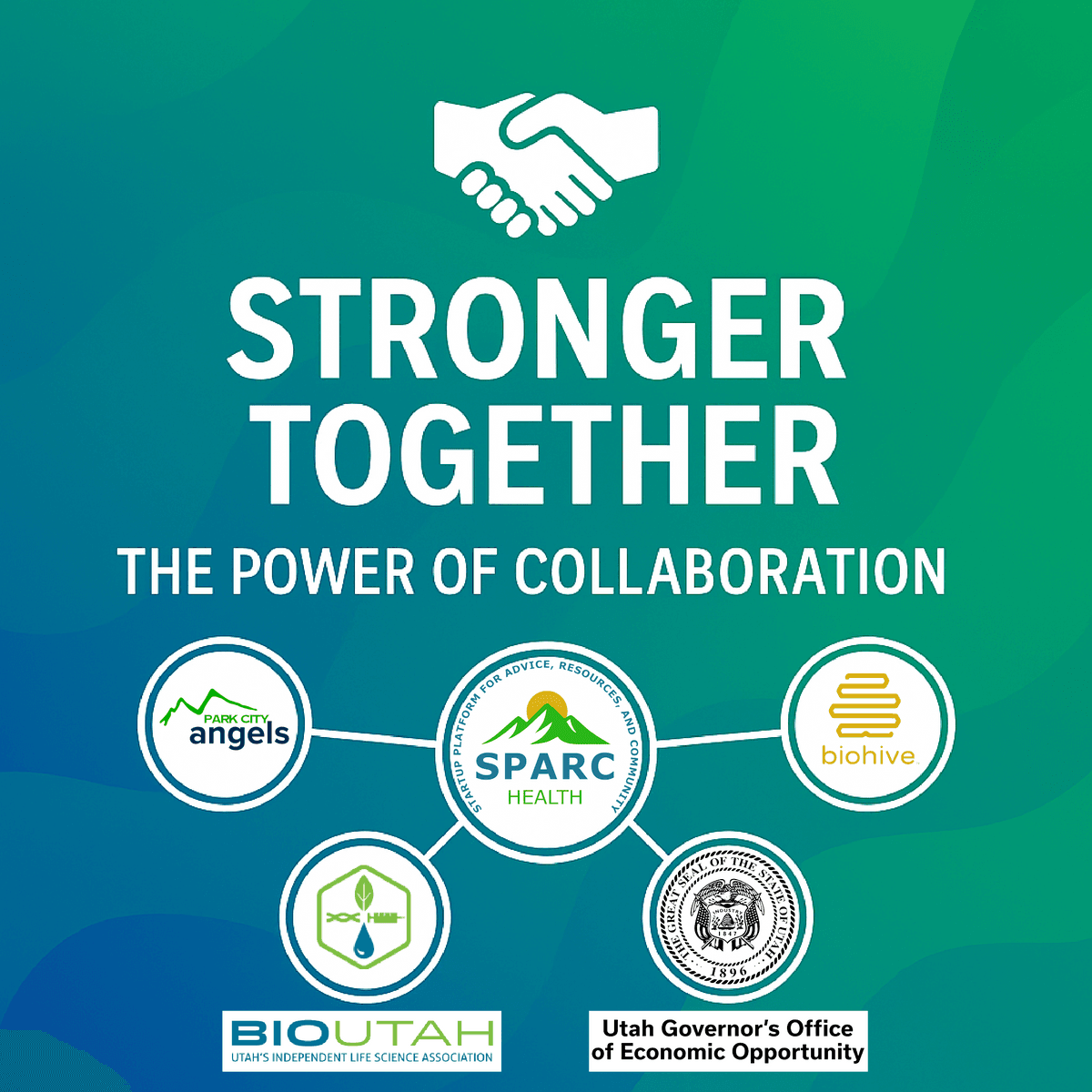
SPARC Health, a collaborative initiative between Park City Angels, BioUtah, BioHive, and the Governor's Office of Economic Opportunity, has announced the successful completion of its inaugural cohort program with substantial impact on Utah's healthcare startup ecosystem. The program supported nine healthcare startups through a comprehensive 10-module curriculum delivered over more than 20 hours of structured programming, addressing critical challenges that typically lead to startup failures.
The inaugural cohort achieved impressive financial and growth metrics, including over $677,000 in secured investment and funding, along with 14 jobs created or retained across participating companies. Notable successes include Bloom Surgical closing a $1 million seed round and expanding its operations team, while RefloDx secured $250,000 after winning the Trans-Atlantic Angel Group competition and presenting in Paris, France. Another participant, DME, rebranded to Wonder Creations, LLC and increased revenue sixfold during the program period.
The comprehensive curriculum specifically targeted the three primary reasons startups fail: poor product-market fit, running out of cash, and assembling the wrong team. The foundation modules covered strategic planning, team formation, cash management, and product-market fit validation, while advanced development modules included exit planning, quality management systems, stakeholder communication, brand development, corporate law and intellectual property protection, and team culture development. Each module combined preparatory tasks, training sessions, and practical homework assignments.
The program's success was bolstered by mentors from Utah's healthcare ecosystem who provided direct access to experienced operational leaders and investors. Ted McAleer, Founder & Executive in Residence at SPARC Health, stated that the results validate their approach to healthcare startup acceleration, demonstrating that structured programming combined with community access can deliver measurable results for early-stage companies. The organization continues fostering community engagement through Startup Huddle events where companies present specific challenges to experienced healthcare leaders, mentors, and investors.
Applications for the second cohort are anticipated to open later this year, continuing to leverage the proven curriculum while incorporating lessons learned from the inaugural program. SPARC Health, which stands for Startup Platform for Advice, Resources, and Community, focuses on accelerating healthcare startup growth through targeted programming, mentorship, and capital access, supporting entrepreneurs building scalable businesses that improve healthcare affordability, accessibility, provider work life, and population health outcomes.