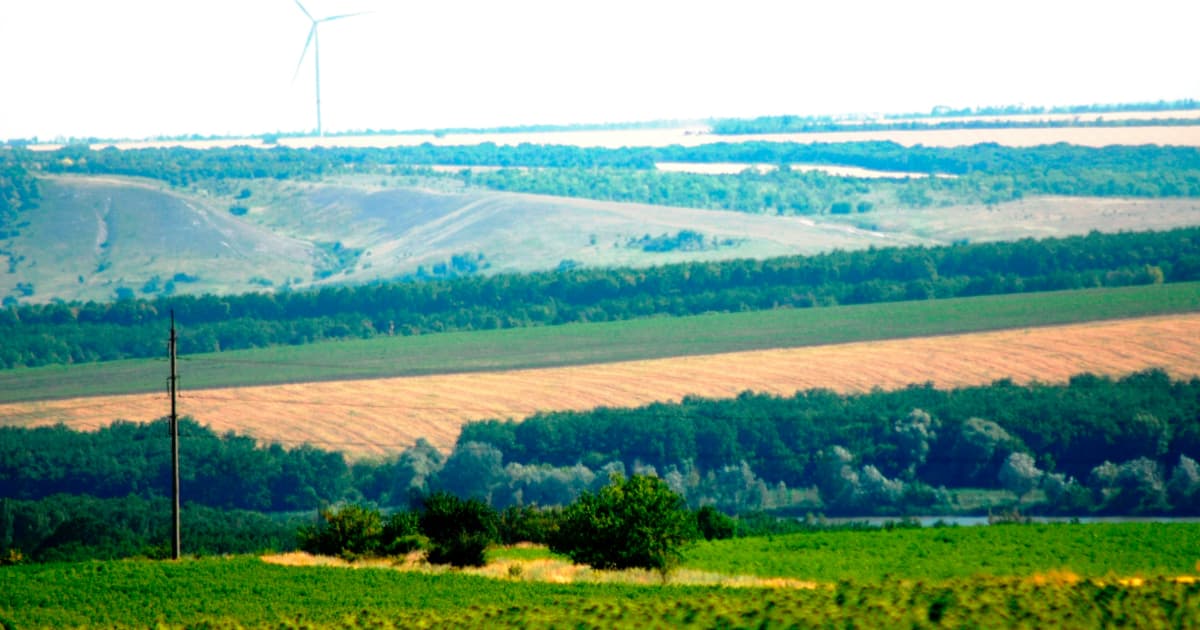
The global transition to renewable energy represents a critical pathway for addressing climate change, yet this shift introduces complex environmental challenges that require innovative solutions. Renewable energy infrastructure, while essential for reducing carbon emissions, poses significant threats to wildlife and ecosystems through various mechanisms including habitat displacement, wildlife collisions, and aquatic ecosystem disruption.
Large-scale solar panel installations can displace native species from their natural habitats, while rotating wind turbine blades present collision risks for flying animals. Similarly, river barriers and hydroelectric projects can fundamentally alter aquatic ecosystems, creating tension between the urgent need to meet international climate commitments and the parallel imperative to protect biodiversity. This conflict between emission reduction goals and nature conservation represents one of the most pressing challenges in sustainable development.
Emerging strategies and technological innovations offer promising approaches to reconcile these competing environmental priorities. Companies focusing on distributed energy solutions that leverage existing infrastructure, such as GeoSolar Technologies Inc., demonstrate practical pathways for renewable energy adoption with reduced ecological impact. By utilizing roof cover and other built environments rather than developing new land, these approaches minimize habitat disruption while advancing clean energy goals.
The careful planning and strategic implementation of renewable energy projects can deliver both climate benefits and biodiversity protection. This balanced approach recognizes that true environmental sustainability requires addressing both the climate crisis and the biodiversity crisis simultaneously. As nations work to fulfill their climate commitments under international agreements, the integration of ecological considerations into renewable energy development becomes increasingly critical.
The convergence of climate action and conservation efforts represents a new paradigm in environmental management, where solutions must address multiple environmental challenges simultaneously. For more information about companies working at this intersection, visit GreenEnergyStocks. The successful navigation of this complex landscape will determine whether humanity can achieve both climate stability and ecological integrity for future generations.