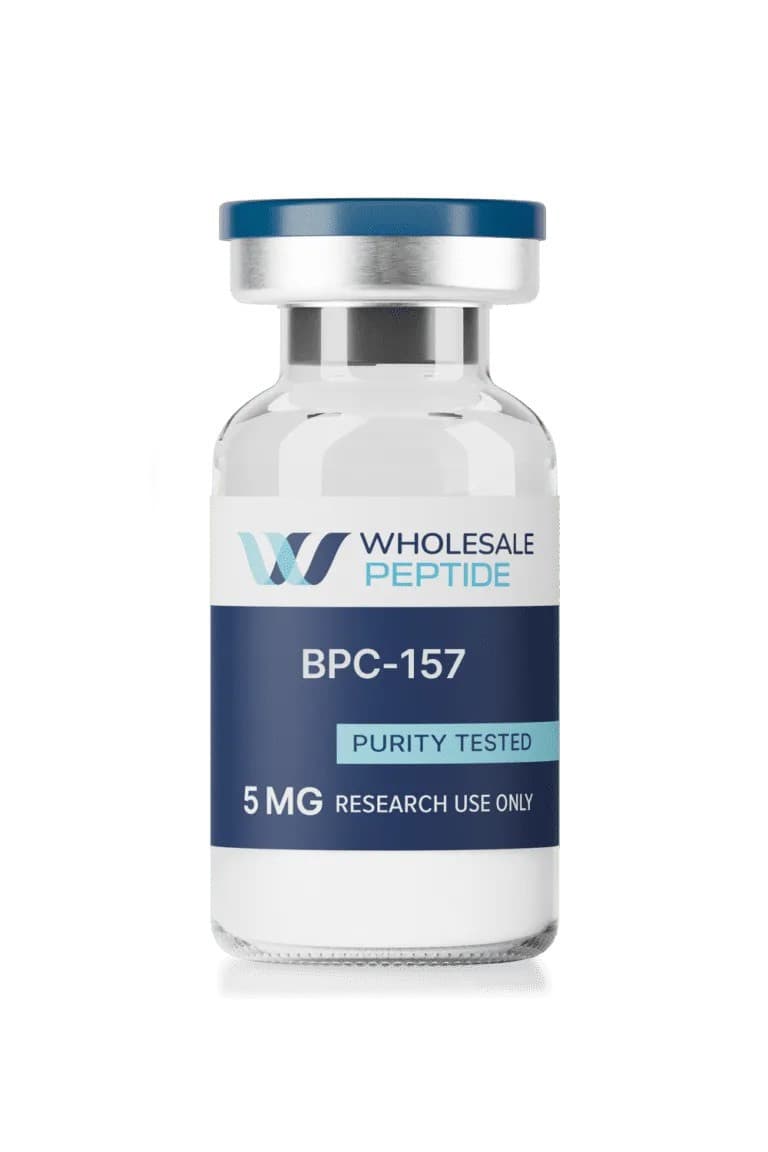
Research peptides serve as precise molecular tools for investigating signaling pathways, receptor interactions, and various biological mechanisms in both laboratory and living systems. These specific amino acid sequences function as ligands, substrates, or modulators, enabling researchers to detect biological effects with molecular accuracy. Achieving reproducible and dependable results requires ensuring high purity, thorough sequence documentation, and lot-specific quality control, as any impurities or incomplete sequences can lead to misleading experimental data.
Peptides can be categorized based on their experimental applications, with signaling peptides serving as receptor agonists or antagonists to provide insights into cellular pathway activation. Regenerative peptides are utilized in tissue repair and wound healing models, aiding collagen deposition and cellular migration studies. Metal-binding peptides, including copper complexes, influence biomarkers or trace elements in biological assays, while growth hormone-related peptides investigate endocrine system dynamics. Other modulators such as melanocortins find applications in metabolic, pigmentation, or behavioral research, with peptide selection requiring consideration of experimental models, biological outcomes, and necessary chemical modifications.
The quality verification process begins with analytical data review, utilizing high-performance liquid chromatography to quantify chromatographic purity by separating peptide-related species. A single dominant peak indicates predominant primary sequence, while secondary peaks may signal truncated or modified variants. Mass spectrometry provides additional confirmation of molecular mass and expected adducts, with the combination of HPLC and MS enhancing confidence in peptide identity and quality. Researchers should obtain certificates of analysis including lot-specific HPLC and MS data, declared purity percentages, and recommended storage conditions. When available, high-resolution LC-MS offers further verification by confirming amino acid composition, sequence, and impurity content in a single analysis.
Procurement considerations involve choosing between catalog peptides and custom synthesis approaches. Catalog peptides are pre-manufactured sequences available in standard purities and quantities through suppliers like Wholesale Peptide, offering quick turnaround and predictable costs for common sequences. Custom synthesis becomes necessary for new sequences, non-standard modifications such as labeling or PEGylation, or when exceptionally high purity is critical for sensitive assays. While custom synthesis allows specification of synthesis and purification strategies to minimize truncation and side-products, it involves longer lead times and increased costs, requiring detailed COAs and impurity profiles for quality confirmation.
Supplier evaluation requires thorough assessment of documentation, manufacturing practices, and traceability. Researchers should request lot-specific COAs including HPLC and MS data along with material safety data sheets for proper handling. Clear storage instructions, compliance with cGMP or ISO standards, and responsive technical support indicate supplier reliability. Domestic suppliers can provide quicker shipping, more accessible technical support, and easier compliance with audit requirements, helping synchronize experimental timelines with institutional procurement policies.
Proper handling and storage protocols are vital for maintaining peptide integrity and ensuring reproducibility. Lyophilized peptides should be stored at -20°C with desiccant and light protection, while reconstituted peptides require aliquoting into single-use vials to prevent repeated freeze-thaw cycles. Maintaining comprehensive logs tracking lot numbers, solvents used, and aliquot dates ensures proper documentation. Adherence to MSDS safety guidelines and personal protective equipment usage remains crucial for laboratory safety.
When purchasing peptides online through platforms such as https://wholesalepeptide.com, researchers should confirm declared purity, COA availability, and storage instructions before ordering. Lot-specific HPLC and MS data should be requested if not available on product pages, while institutional purchase orders enhance traceability. Small test quantities can validate peptides in sensitive assays before larger purchases, with documentation of COAs, MSDS, and storage conditions being essential for experimental reproducibility and minimizing risks associated with inadequately characterized reagents.
High-purity peptides validated through HPLC and MS form the foundation of reproducible experiments, with catalog peptides offering convenience and custom synthesis catering to specialized applications requiring unique modifications or exceptional purity. Proper storage, aliquoting, and documentation reduce degradation and experimental variability, while selecting transparent, responsive suppliers ensures peptides can reliably serve as tools for investigating complex biological processes across various research domains.