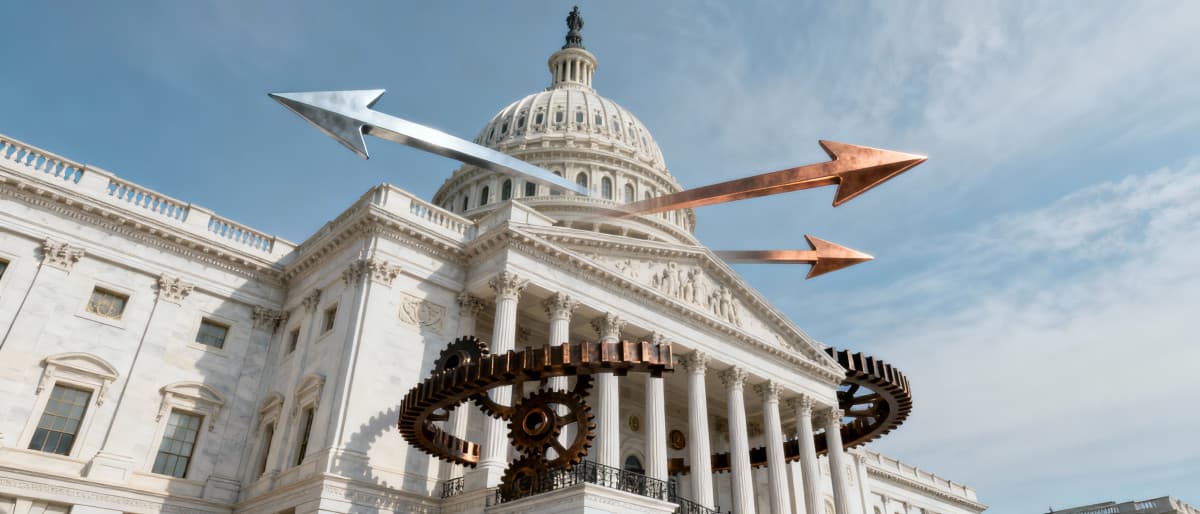
The return of administrative wage garnishment for defaulted federal student loans has triggered significant legislative response in Congress, with bipartisan bills introduced to suspend the controversial collection practice. Following a multi-year pause, the Department of Education's renewed collection efforts began in May 2025, allowing the government to seize up to 15% of a worker's disposable pay without court orders.
This collection revival impacts an estimated 5.5 million people currently in default on their student loans, with millions more at risk of falling into delinquency. The comprehensive debt collection approach also includes interception of tax refunds and Social Security benefits, creating widespread financial pressure on borrowers already navigating economic challenges.
In direct response to the garnishment resumption, legislators introduced the "Ending Administrative Garnishment Act of 2025" (S. 1764 / H.R. 3412) in both chambers of Congress. The proposed legislation seeks immediate suspension of the Secretary of Education's authority to use wage garnishment for defaulted student loans until substantial new borrower protections and administrative safeguards are implemented.
The bill's proponents argue that the current administrative wage garnishment system contains significant flaws, including susceptibility to errors and disproportionate impact on vulnerable workers struggling with consumer debt. The proposed reforms include prohibiting garnishment on loans outstanding for more than 10 years, requiring the Department of Education to refund improperly garnished wages within one week, and establishing quarterly verification processes for employers to confirm garnishment information accuracy.
Additional protections in the legislation would establish a private right of action, enabling borrowers to sue employers who improperly garnish wages after an order has been suspended. The bill also mandates that the Department pay double damages for improper seizures, creating stronger accountability measures within the collection system.
For employers nationwide, the garnishment resumption creates substantial administrative burdens and compliance complexities. Businesses must navigate intricate rules governing wage withholding while facing potential legal and financial penalties for improper implementation. The situation has elevated payroll compliance to a major operational focus across industries.
The legislative debate highlights the critical intersection between federal debt recovery efforts and employee financial stability. As the bill progresses through congressional committees, stakeholders including borrowers, consumer advocates, employers, and payroll professionals are closely monitoring developments that could fundamentally reshape student loan debt collection practices. The outcome will determine whether millions of Americans continue facing direct wage reductions or gain enhanced protections against aggressive collection methods.
More information about wage garnishment issues can be found at https://sites.google.com/view/how2stop-md-wage-garnishment/home.