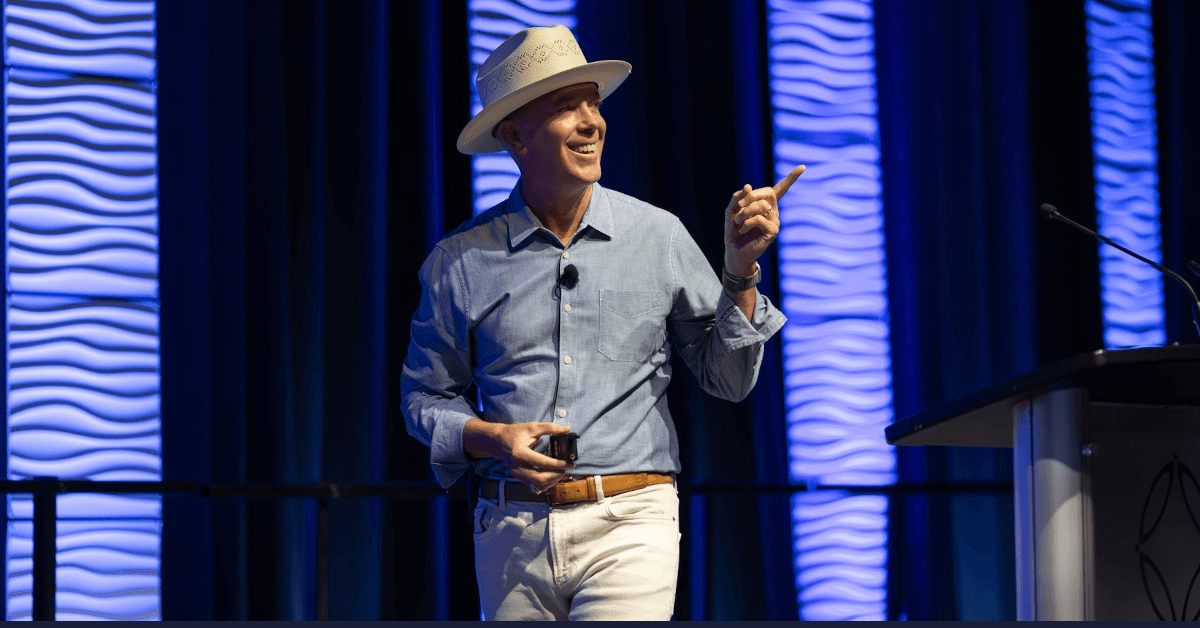
During a recent interview on the Building Texas Show, aerospace entrepreneur and military veteran Joseph Kopser outlined significant challenges and opportunities facing Texas's expanding space economy. Recorded at Dallas College during the Y Texas summit, the conversation highlighted the state's emergence as a global hub for space exploration while revealing critical workforce shortages that could hinder sustained growth.
Kopser emphasized that Texas hosts major aerospace companies including SpaceX, Blue Origin, and Firefly Aerospace, but lacks sufficient skilled labor to support their operations. "We have to have a workforce to build those rockets, to sustain life support systems, and to build spacecraft," Kopser stated. He noted that the industry requires not just engineers but also skilled tradespeople including plumbers, electricians, and welders capable of handling highly pressurized systems.
To address this workforce gap, Kopser co-founded the Space Workforce Incubator for Texas (SWIFT), an initiative connecting 18-to-35-year-olds with vocational training and higher education opportunities. The program aims to ensure that what Kopser calls the "Texas economic miracle" isn't stalled by insufficient skilled labor. "People will be what they can see," Kopser noted, stressing the importance of early exposure to aerospace career paths.
The discussion also addressed rural economic development challenges, particularly the "exporting of talent" from small Texas towns. Kopser argued that fiber internet expansion and emerging autonomous supply chains create opportunities to reverse this trend. "Now, with the reshoring of manufacturing and the ability to work remotely, you can live the quality of life you want in rural Texas while accessing the modern economy," he explained.
Kopser highlighted "dual-use" technologies that serve both national defense and commercial sectors as key economic drivers. He pointed to Texas-based companies including Apptronik (humanoid robotics), Saronic (autonomous watercraft), and LoCal (biochar energy) as examples of private innovation solving public problems. These companies represent the type of high-paying jobs that could help revitalize rural communities.
Kopser recently launched a campaign to represent Texas House District 47, bringing his workforce development focus to potential legislative work. "The skills gap is widening, and the decisions we make today will shape Texas's economy for decades," he stated. He has launched a data-driven survey to gauge constituent priorities and continues to advocate for "people over politics" through his organization USTomorrow.
The implications of these workforce challenges extend beyond individual companies to Texas's overall economic competitiveness. As the space industry continues to expand, the state's ability to develop and retain skilled workers will determine whether it can maintain its leadership position in aerospace innovation. Rural communities face particular pressure as they compete with urban centers for talent and investment.
For Texas residents, these developments could mean expanded career opportunities in high-growth industries, particularly for those pursuing vocational training rather than traditional four-year degrees. The emphasis on "dual-use" technologies suggests potential for cross-sector innovation that could benefit multiple industries simultaneously. The success of initiatives like SWIFT could serve as a model for other states facing similar workforce challenges in technology-driven sectors.
Industry observers note that Texas's approach to these challenges could influence national workforce development strategies, particularly as other states seek to attract aerospace and technology companies. The integration of rural economic development with high-tech industry growth represents an innovative approach to addressing longstanding regional economic disparities. More information about workforce development initiatives can be found at https://www.graylinegroup.com.