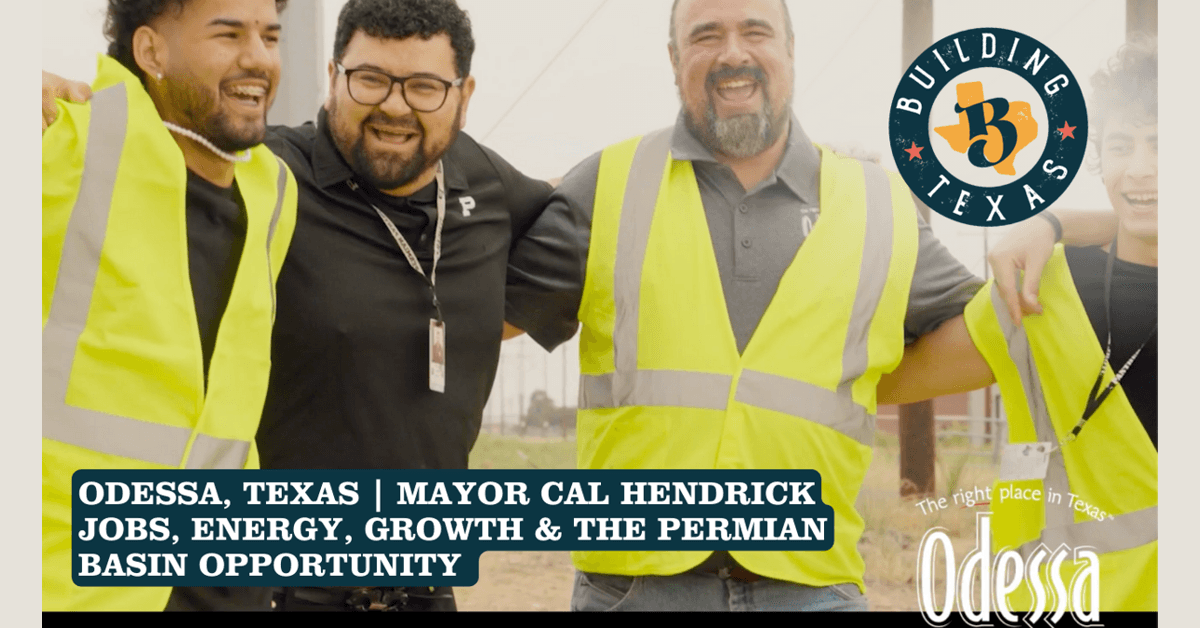
In a recent interview on The Building Texas Show, Odessa Mayor Cal Hendrick detailed the economic transformation occurring in the Permian Basin region, emphasizing that while oil and gas remain foundational industries, the area's future is being shaped by deliberate diversification and workforce development. The conversation with host Justin McKenzie explored how Odessa is positioning itself for sustainable growth over the next fifty years through strategic investments in multiple sectors.
"Odessa has always been about opportunity," Hendrick stated during the interview. "If you're willing to work, learn a trade, or start a business, there is no shortage of demand here. We are underemployed, not overbuilt." This perspective underscores the region's current economic reality, where workforce demand outpaces available skilled labor, creating numerous openings for those seeking employment or entrepreneurial ventures.
The mayor highlighted how educational institutions are creating clear pathways into high-demand careers through community colleges, universities, and workforce training programs. Specific fields mentioned include welding, HVAC, plumbing, electrical work, trucking, and entrepreneurship. These training programs are designed to meet the immediate needs of existing industries while preparing workers for emerging sectors that complement the region's energy foundation.
Beyond workforce development, Hendrick discussed the region's growing appeal to investors and innovators, driven by access to energy resources, available land, existing infrastructure, and a business-friendly regulatory environment. The conversation addressed how this appeal is attracting attention beyond traditional energy sectors, with emerging opportunities in energy efficiency technologies, alternative power sources, healthcare expansion, and higher education development.
McKenzie and Hendrick also examined the challenges accompanying rapid growth, including infrastructure strain and long-term planning requirements. Specific areas of focus include water systems, road networks, public safety resources, and healthcare facilities. The mayor emphasized the importance of master planning, fiscal responsibility, and regional collaboration with neighboring communities like Midland to address these challenges effectively.
"Odessa is no longer isolated by geography," McKenzie observed during the discussion. "With connectivity, capital, and workforce demand converging, this region is becoming a national brand for opportunity." This statement captures the broader significance of Odessa's transformation from a geographically remote energy hub to a connected economic center attracting diverse investment.
The full interview is available on YouTube at https://www.youtube.com/watch?v=OdessaTexasMayorCalHendrick as part of The Building Texas Show's ongoing effort to spotlight Texas cities through conversations with civic leaders. These discussions provide audiences with deeper understanding of local leadership approaches to economic development and workforce preparation.
For the Permian Basin region, the implications of this strategic direction are significant. By diversifying beyond traditional energy sectors while leveraging existing infrastructure and resources, Odessa and surrounding communities are building economic resilience against commodity price fluctuations. The focus on workforce development addresses both immediate employment needs and long-term economic sustainability, creating opportunities for current residents while attracting new talent to the region.
The emphasis on regional collaboration between Odessa and Midland represents a pragmatic approach to shared challenges, potentially serving as a model for other geographically connected communities facing similar growth pressures. As infrastructure investments align with population projections and economic diversification efforts, the Permian Basin appears positioned to transition from a boom-and-cycle energy region to a more stable, multi-sector economic hub with national significance.