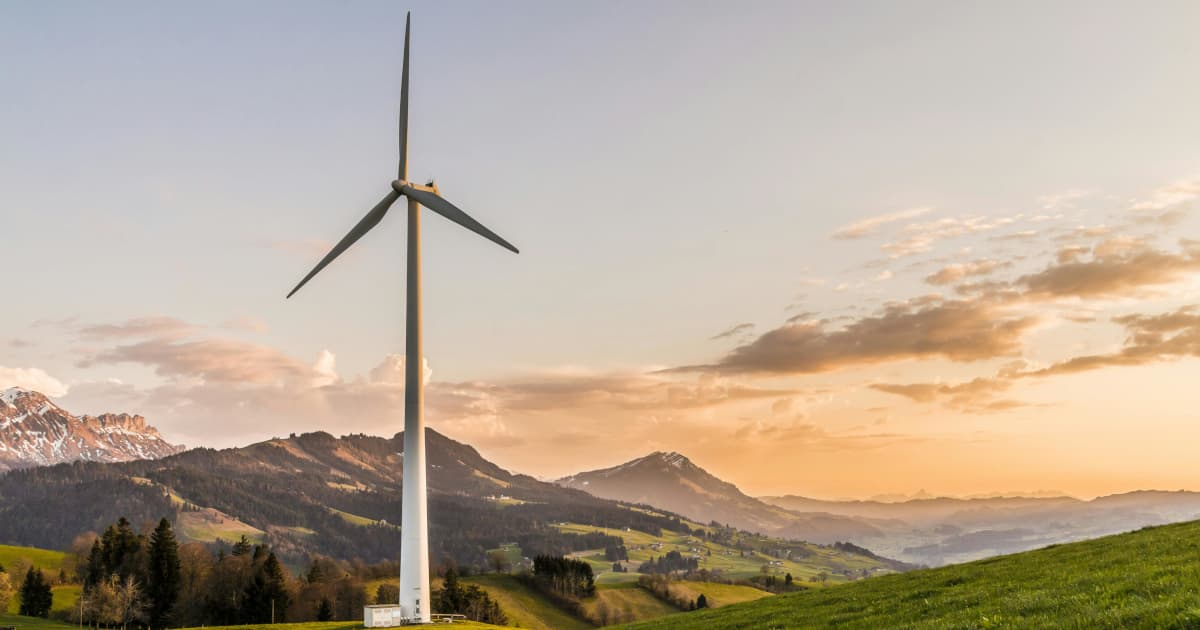
Renewable energy sources provided just under half of all electricity generated across the European Union in 2025, according to new findings from energy think tank Ember. The report indicates that Europe's electricity system reached a turning point last year as the bloc's power mix continues to evolve at a rapid pace. This milestone comes despite fossil fuels continuing to influence electricity prices and short-term supply decisions across the continent.
The data from Ember confirms the growing viability of grid-scale renewable energy installations, particularly solar power projects that are becoming increasingly competitive with traditional energy sources. As more evidence emerges supporting the reliability and cost-effectiveness of large-scale renewable deployments, companies operating in this sector may experience significant growth opportunities. Firms like Turbo Energy S.A. (NASDAQ: TURB) could witness expanding client bases as European nations accelerate their transition toward cleaner energy systems.
The implications of this energy transition extend beyond environmental benefits to encompass economic and strategic considerations for European countries. With renewable sources approaching the 50% threshold of electricity generation, the continent moves closer to achieving its climate targets while potentially reducing dependence on imported fossil fuels. This shift represents both a technological achievement and a fundamental restructuring of Europe's energy infrastructure that will influence industrial competitiveness, energy security, and international climate diplomacy.
For businesses and investors, the Ember report signals continued momentum in the renewable energy sector despite ongoing challenges related to grid integration, storage solutions, and market design. The findings suggest that renewable energy deployment has reached a scale where it significantly impacts overall electricity markets rather than operating at the margins. This development may prompt further investment in complementary technologies and infrastructure needed to support higher renewable penetration rates across European grids.
The report's timing coincides with broader discussions about Europe's energy future as the continent works to balance climate ambitions with economic stability. The persistence of fossil fuel influence on prices and supply decisions indicates that the transition remains incomplete, with traditional energy sources still playing important roles during periods of high demand or renewable generation shortfalls. This reality underscores the complexity of energy system transformation and the need for diversified approaches to ensure reliability throughout the transition period.
For more information about energy market developments, readers can visit https://www.GreenEnergyStocks.com. Additional details about terms of use and disclaimers are available at https://www.greennrgstocks.com/Disclaimer.