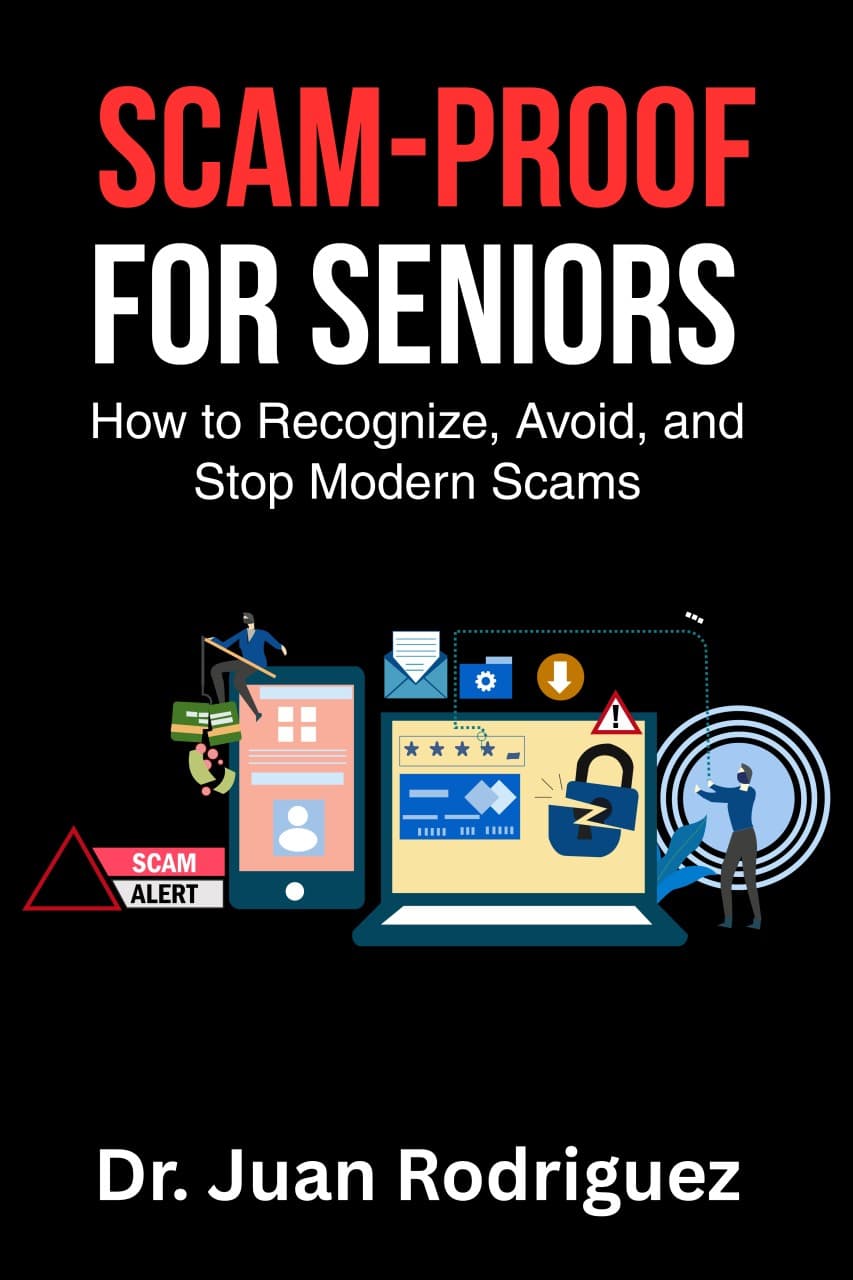
As digital scams continue to proliferate across multiple communication channels, a new resource has emerged to provide practical protection strategies for vulnerable populations. Dr. Juan Rodriguez's recently released book, Scam Proof for Seniors, delivers clear, accessible guidance for recognizing and avoiding modern fraud schemes that target personal data, finances, and digital identities.
The book addresses the escalating threat landscape where scams now operate across email, text messages, phone calls, and social media platforms. These sophisticated schemes have become increasingly difficult to identify, making educational resources like Rodriguez's book essential for personal protection. The author explains how modern scams function and why they succeed, providing readers with crucial insight into fraudster methodologies.
Rodriguez's guide offers practical, non-technical steps that readers can implement immediately to identify potential scams, verify legitimacy, and respond appropriately if they suspect compromise. The comprehensive approach covers a wide spectrum of contemporary threats including phishing emails, fake tech support calls, romance scams, and impostor government messages. This breadth of coverage ensures readers are prepared for the diverse array of fraudulent tactics currently circulating.
Written specifically with seniors and families in mind, the book emphasizes education and empowerment through real-world scam scenarios. This targeted approach recognizes that older adults are frequently targeted by sophisticated fraud schemes and may benefit from specialized guidance. By focusing on practical application rather than technical jargon, the book makes digital safety accessible to readers regardless of their technological background.
The publication arrives at a critical moment as reported scam incidents continue to rise annually, resulting in billions of dollars in losses and significant emotional distress for victims. Resources like Scam Proof for Seniors could help reduce these losses by equipping individuals with the knowledge to identify red flags before financial or personal damage occurs. The book's emphasis on prevention rather than reaction represents a proactive approach to digital safety that could benefit entire communities.
For those seeking additional resources, the full announcement including downloadable images and bios is available at https://www.reportable.com. Rodriguez's background as an educator, cybersecurity professional, and host of the Technology Tap podcast informs the book's practical approach to complex digital risks. His experience teaching cybersecurity and digital safety ensures the content balances technical accuracy with accessibility for everyday users.
The implications of this publication extend beyond individual protection to potential community-wide benefits. As more people become educated about scam prevention techniques, the overall effectiveness of fraudulent schemes may decrease, creating a safer digital environment for all users. This educational approach represents a sustainable solution to the ongoing challenge of digital fraud that complements technological security measures.