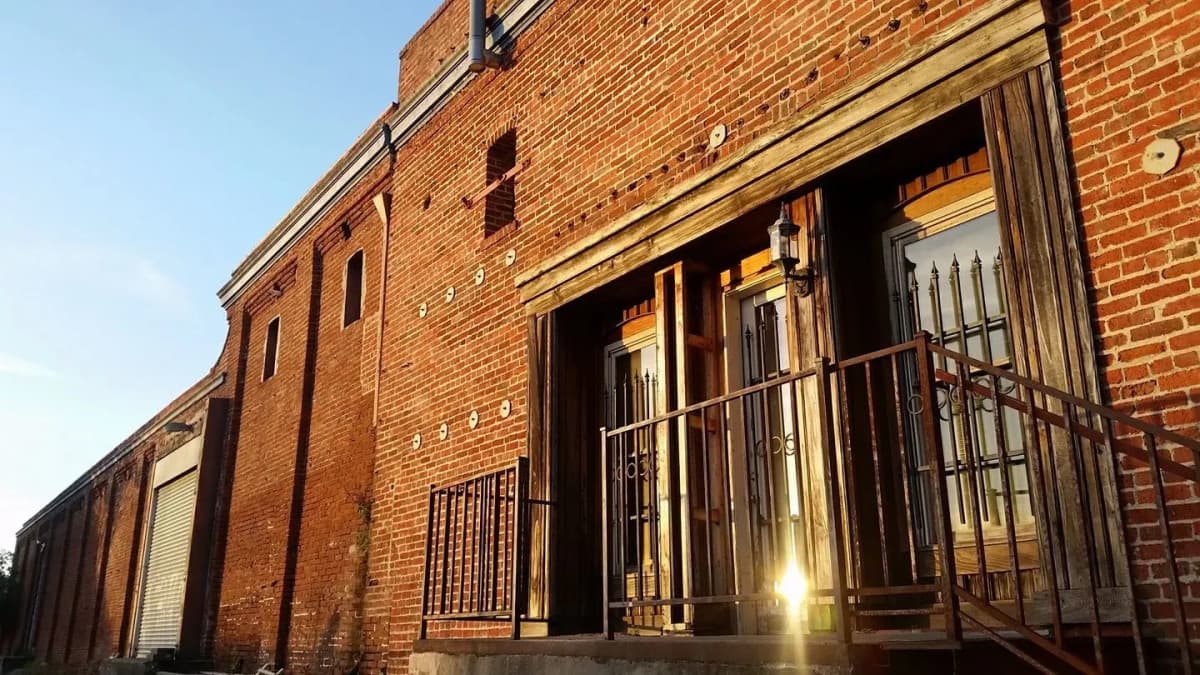
Every Monday evening from 7:00 PM to 9:00 PM, The Arlene Francis Center transforms into a creative laboratory where laughter and experimentation take precedence over perfection. Evil Comedy hosts these open practice sessions designed specifically for individuals at all experience levels, from complete beginners to seasoned performers looking to refine their craft. The sessions focus on improv, sketch comedy, and stand-up development within a supportive environment that encourages risk-taking without judgment.
The practice operates on an intentionally inclusive model with no auditions or prerequisites, removing traditional barriers to entry in performing arts. Participants can engage in structured activities like improv exercises and joke development or simply observe until they feel comfortable joining. This approach creates an alternative to formal comedy classes, blending workshop freedom with developmental structure. For those searching for flexible creative opportunities, the sessions represent a significant departure from rigid educational formats.
Accessibility forms a cornerstone of the program's philosophy. With a $5 suggested donation that helps cover space rental at https://arlenefranciscenter.org/, the practice maintains a pay-what-you-can model where no one is turned away for financial reasons. This economic accessibility addresses one of the most significant obstacles to arts participation, making creative development available to broader demographic segments including students, working professionals, and teenagers aged 16 and older.
The Monday time slot serves strategic purposes within community scheduling. Positioned at the week's beginning, the evening sessions provide energizing creative engagement that fits various lifestyles while The Arlene Francis Center's established reputation as a community arts hub offers appropriate infrastructure. This regular scheduling creates consistency that supports skill development through repetition while building social connections that extend beyond performance techniques.
Beyond immediate comedy skills, participants develop transferable abilities including active listening, collaborative problem-solving, and adaptive thinking. The emphasis on encouragement over critique fosters psychological safety that enables creative risk-taking. Many attendees find these gatherings become important weekly anchors that provide both artistic development and social connection in an increasingly fragmented cultural landscape.
The practice sessions connect directly to performance opportunities through Evil Comedy's regular shows at the same venue. This progression from practice room to stage demystifies the performance process and demonstrates tangible pathways for artistic growth. Observing peers perform can inspire further participation while providing concrete examples of how practiced skills translate to public presentation.
For the broader Santa Rosa arts community, these weekly sessions represent sustainable programming that balances artistic quality with community access. By maintaining low financial barriers while providing professional-grade creative development, the model demonstrates how arts organizations can serve both artistic excellence and community inclusion simultaneously. The program's success suggests replicable approaches for other communities seeking to expand arts participation without compromising creative standards.
As traditional arts education faces increasing economic challenges, community-based models like Evil Comedy's practice nights offer viable alternatives that prioritize participation over perfection. The sessions demonstrate how consistent, accessible programming can cultivate both individual artistic development and collective creative community, providing measurable benefits to participants' confidence, social connectivity, and expressive capabilities while contributing to local cultural vitality.