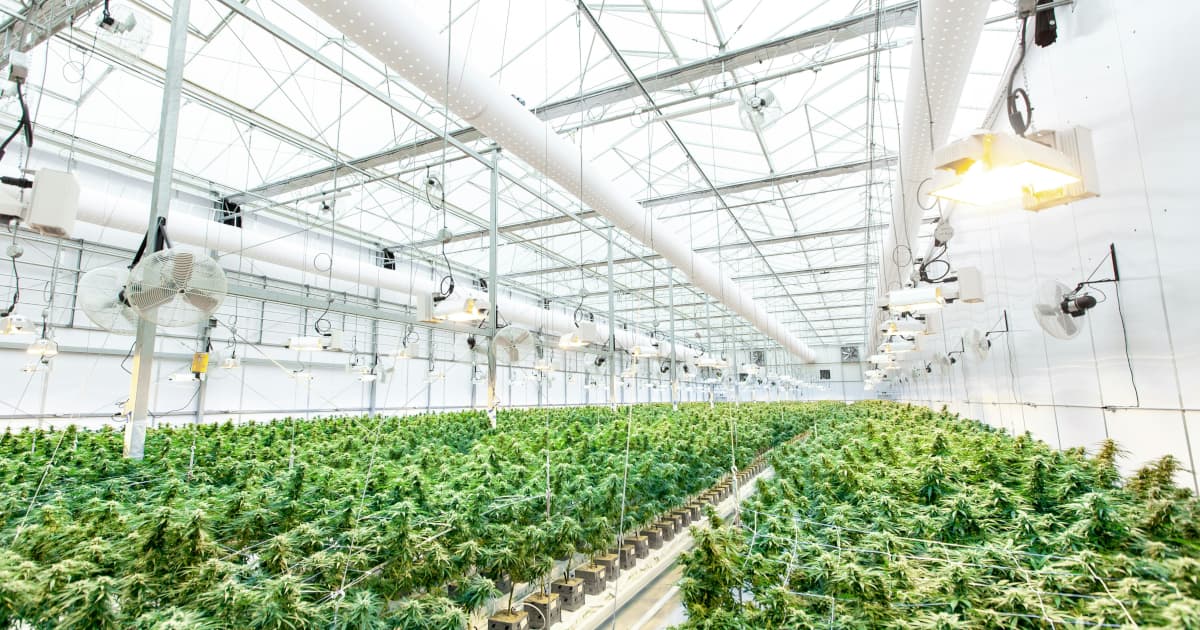
The Florida Supreme Court is currently weighing whether to hear a crucial appeal that could determine if recreational marijuana legalization appears on a future state ballot. This judicial review represents a pivotal moment for cannabis policy in Florida, where efforts to expand legal access beyond medical use have faced legal and political hurdles. The outcome could reshape the state's cannabis landscape, affecting businesses, investors, and consumers alike.
Trulieve Cannabis Corp., a major player in Florida's medical cannabis market, has heavily invested in advocacy for adult-use legalization. The company's involvement underscores the significant financial stakes for existing operators who stand to benefit from an expanded market. Should the court allow the measure to proceed to voters, it would mark a substantial step toward potentially creating one of the largest recreational cannabis markets in the United States, given Florida's population of over 22 million residents.
The appeal process highlights the complex regulatory and legal pathways that cannabis initiatives must navigate. Florida requires constitutional amendments to undergo rigorous judicial review before appearing on ballots, ensuring compliance with single-subject rules and clarity of language. This safeguard means the court's decision will carry considerable weight, potentially setting precedents for how future cannabis-related measures are structured and evaluated in the state.
For the cannabis industry, a favorable ruling could accelerate investment and expansion within Florida. Companies like Trulieve have already established extensive medical operations, positioning them to quickly scale should recreational use become legal. Market analysts often monitor such developments through platforms like CannabisNewsWire, which provides updates on regulatory changes impacting financial markets. The site's daily articles at 4:20 p.m. Eastern offer insights into industry milestones, reflecting the growing intersection of cannabis policy and investment.
Beyond economic implications, the potential ballot measure raises broader social and legal questions. Legalization could influence criminal justice reform, tax revenue allocation, and public health policies in Florida. It also aligns with national trends where numerous states have transitioned from medical to recreational cannabis frameworks, often driven by voter initiatives. The court's deliberation thus extends beyond immediate ballot access, touching on themes of democratic participation and state-level policy innovation.
Investors and stakeholders are advised to review comprehensive disclaimers and terms, such as those available at https://www.CannabisNewsWire.com/Disclaimer, when assessing industry news. As the Florida Supreme Court's decision looms, its impact will resonate across the cannabis sector, potentially catalyzing new opportunities while testing the boundaries of state governance in an evolving regulatory environment.