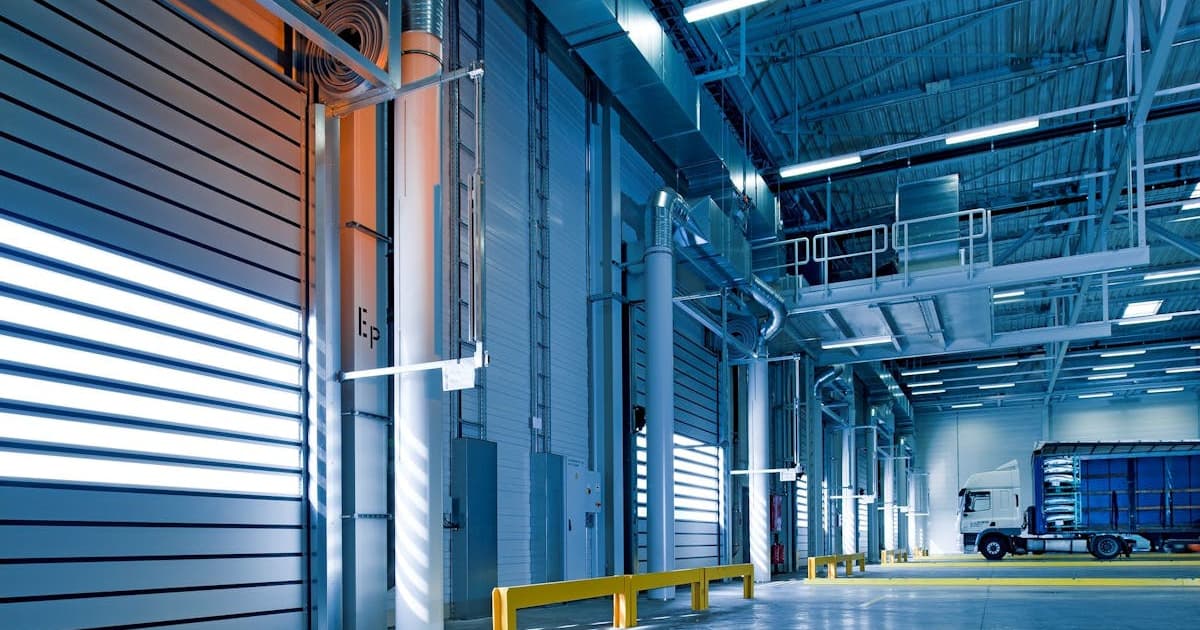
LaFleur Minerals Inc. (CSE: LFLR) (OTCQB: LFLRF) (FSE: 3WK0) has provided an update on progress toward restarting its 100%-owned Beacon Gold Mill in Val-d'Or, Québec, alongside advancement of its Preliminary Economic Assessment and near-term production strategy. The company reported that electrical upgrades and winterization improvements are largely complete, key mechanical systems have been refurbished and inspected, and modern safety enhancements have been installed, with approximately 30% of the restart budget deployed to date under cost control.
Positioned within the prolific Abitibi Greenstone Belt and supported by its Swanson Gold Deposit located 60 kilometers from the mill, LaFleur said the vertically integrated mine-to-mill strategy is designed to accelerate the pathway to renewed gold production in the Valley of Gold. The fully permitted and refurbished Beacon Gold Mill is capable of processing over 750 tonnes per day and is being considered for processing mineralized material from Swanson and for custom milling operations for other nearby gold projects.
The Swanson Gold Project is approximately 18,304 hectares (183 km²) in size and includes several prospects rich in gold and critical metals previously held by Monarch Mining, Abcourt Mines, and Globex Mining. LaFleur has recently consolidated a large land package along a major structural break that hosts the Swanson, Bartec and Jolin gold deposits and several other showings which make up the Swanson Gold Project. The project is easily accessible by road allowing direct access to several nearby gold mills, further enhancing its development potential.
This development represents a significant step toward revitalizing gold production in the historic Val-d'Or mining camp, which has been a cornerstone of Québec's mining industry for decades. The successful restart of the Beacon Gold Mill could create economic opportunities in the region while contributing to North American gold production at a time when gold remains an important store of value and industrial commodity.
The company's progress can be tracked through its newsroom at http://ibn.fm/LFLRF, which provides updates relating to LFLRF. The original press release detailing this announcement is available at https://ibn.fm/xMpks for those seeking additional technical details about the mill restart progress.
For the mining industry, LaFleur's approach demonstrates how existing infrastructure can be revitalized to create efficient production pathways, potentially serving as a model for other companies with dormant assets in established mining districts. The combination of a permitted mill with nearby resource deposits creates a streamlined development timeline that could deliver gold production more quickly than greenfield projects requiring entirely new infrastructure.
The advancement comes as global demand for gold continues across multiple sectors, including investment, jewelry, and technology applications. Québec's stable mining jurisdiction and established infrastructure provide favorable conditions for such developments, potentially attracting further investment to the region as successful projects demonstrate the viability of revitalizing existing mining assets.