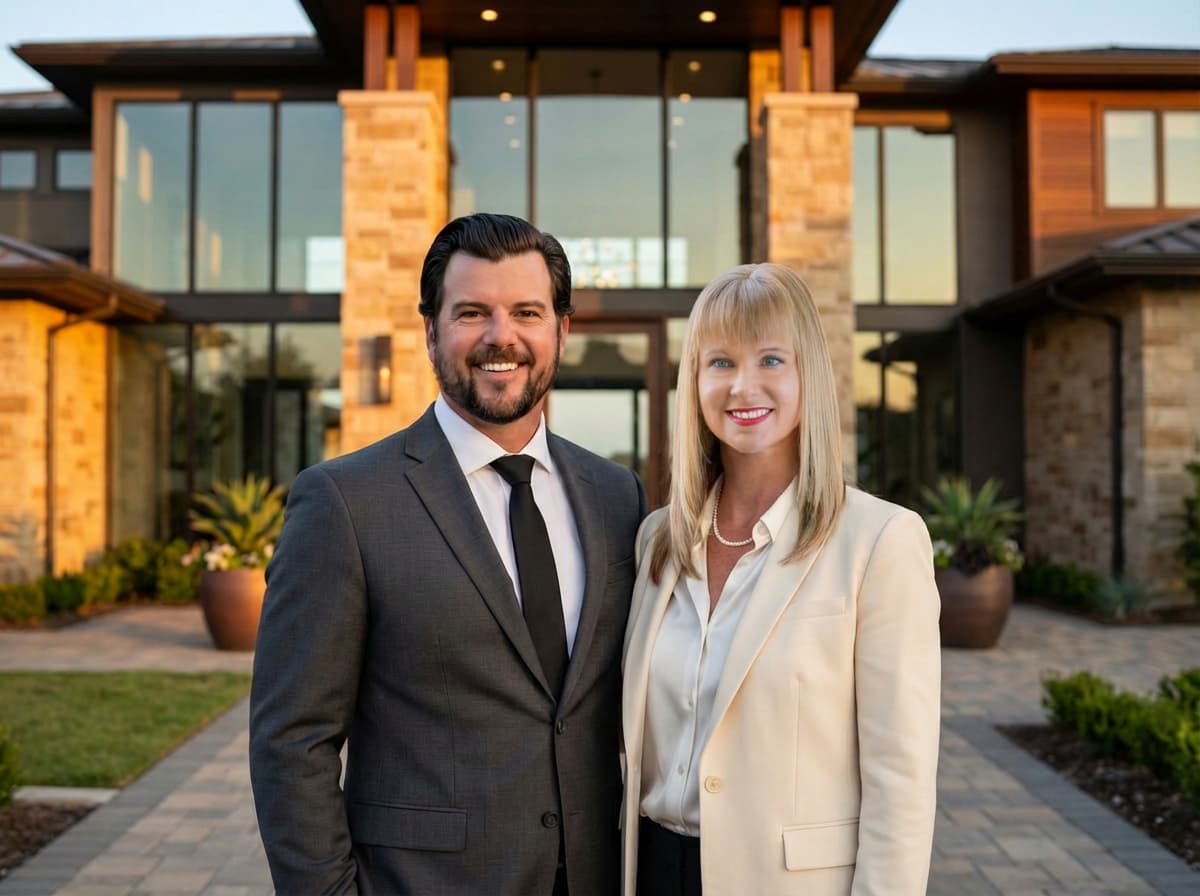
Florida's Great Northwest has developed an economic development model that is attracting major aerospace, maritime, and advanced manufacturing projects to the 13-county region stretching from Pensacola to Tallahassee. Under President and CEO Jennifer Conoley's leadership since March 2020, the organization has generated over 1,500 announced jobs through direct leads, with significant additional projects in the pipeline.
The regional coordination approach prevents internal competition among counties by packaging regional opportunities and filtering them to appropriate local economic development professionals. Conoley describes the organization as "professional matchmakers" who identify opportunities and direct them to the most suitable locations within the region. This strategy has already yielded tangible results, including Field International's global headquarters relocation from the United Kingdom to Pensacola and Point Blank Enterprises' 300-job body armor manufacturing facility in Wakulla County. Most notably, Birdon announced plans for a potential 2,000-job maritime manufacturing expansion at the Port of Pensacola.
One of Northwest Florida's most compelling competitive advantages is its quantifiable military talent pipeline. Six military bases within a two-and-a-half to three-hour radius generate approximately 5,200 military separations and retirements annually, with an average age of 38. A University of West Florida study commissioned by Florida's Great Northwest found that 47% of separating service members want to stay in the region after military service, with another 19% undecided. This makes job opportunities a key retention factor for this skilled workforce. Companies feel more confident selecting the region based on this quantifiable data rather than estimates.
The region's site readiness and access to patient capital further enhance its competitiveness. The $1.5 billion Triumph Gulf Coast fund, created from Deepwater Horizon settlements and continuing to receive $80 million annually through 2033, provides unique leverage for public-private partnerships. While funds cannot go directly to companies, these partnerships using Triumph dollars have successfully attracted major industrial investments without requiring aggressive cash incentives. Florida's Great Northwest recently received a $4.7 million Triumph grant to enhance its regional strategy for the next 5, 10, and 15 years.
Despite recent momentum, Conoley warns against complacency, emphasizing the need to maintain aggressive economic development efforts. She envisions Northwest Florida becoming even more prominent in the Gulf Coast corridor for both aerospace and maritime work in the coming decade. The combination of regional coordination, quantifiable military talent pipeline, available industrial land, and patient capital sources offers a compelling value proposition for developers and investors evaluating markets, particularly for aerospace, maritime, and advanced manufacturing projects.