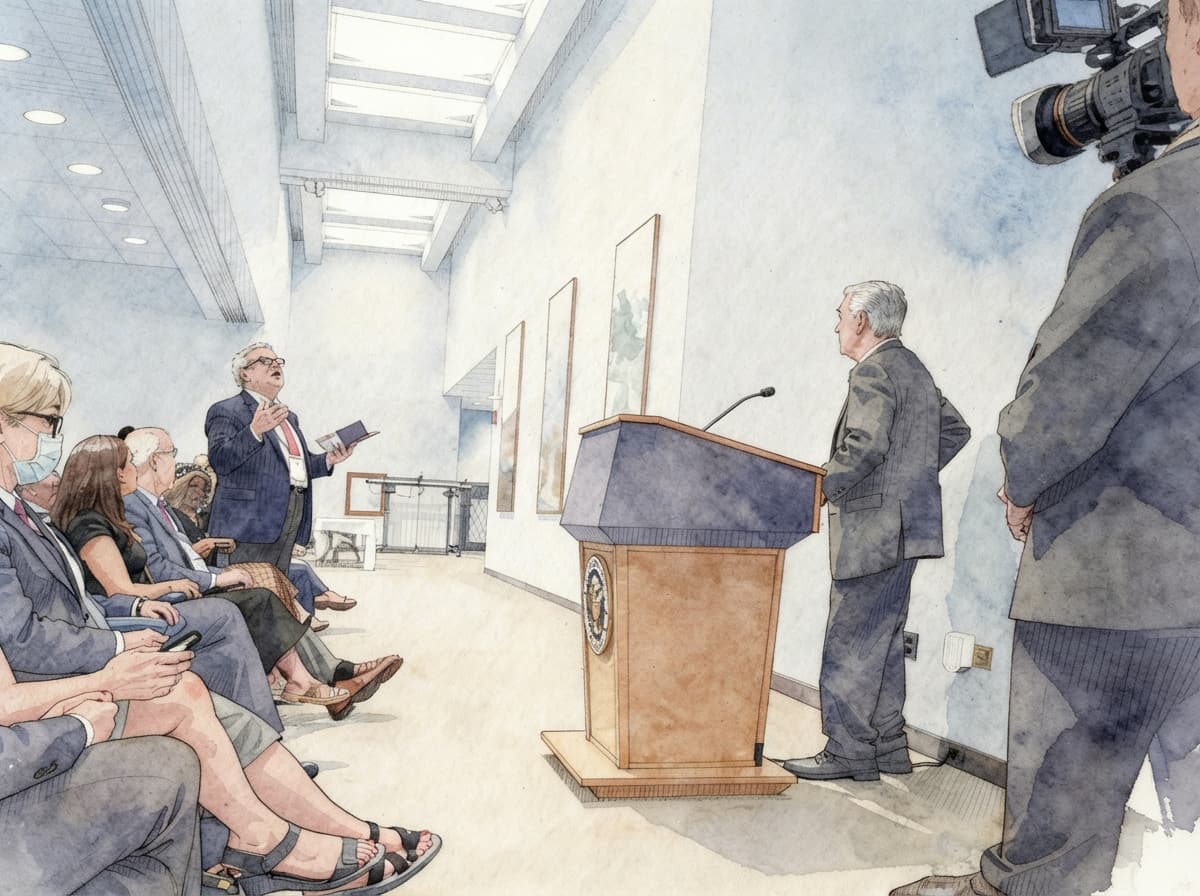
A legislative proposal in Colorado that would have allowed local taxing authorities to hold elections on vacancy taxes was defeated before reaching a full vote, demonstrating the effectiveness of organized real estate advocacy. The bill, which did not impose a tax directly but established the mechanism for communities to consider one, particularly concerned owners of second homes in mountain communities like Vail and Telluride. Industry professionals, led by figures like Mark Gordon, broker and co-owner of Christiania Realty in Vail, mobilized to prevent the measure from advancing, framing the outcome as evidence that coordinated engagement in policy discussions remains crucial for protecting property interests.
Mark Gordon, who also serves as a National Association of Realtors director for Colorado, emphasized that the vacancy tax issue is part of a broader advocacy landscape where real estate professionals must actively participate. Gordon holds multiple leadership roles, including chairing the Insight Advisory Committee for the Colorado Association of Realtors, a think tank focused on emerging trends rather than current headlines. He stated that involvement in such groups enables professionals to both educate peers and gather intelligence that benefits clients, creating a feedback loop that strengthens the industry's position on policy matters.
The Insight Advisory Committee, which held its first 2026 meeting in February, examines issues like Wall Street's growing involvement in residential real estate, Department of Justice scrutiny, and the nationwide implications of the NAR settlement on agent practices. Artificial intelligence also features prominently in discussions, with Gordon cautioning that while AI is a valuable tool, it should enhance rather than replace human expertise. He referenced a conversation from the Real Estate Insiders Unfiltered podcast, noting that over-reliance on AI without human input risks eliminating differentiation among companies.
Gordon's advocacy extends beyond state-level issues to federal engagement. Last spring, he questioned Colorado senators Michael Bennet and John Hickenlooper about homeowner insurance availability during an industry trip to Washington, D.C., arguing that insurance and affordability are non-partisan concerns requiring organized voices at all government levels. The defeat of the vacancy tax proposal, which Gordon attributes to affected stakeholders showing up to oppose it, serves as a practical example of how such engagement can yield tangible results. He asserts that realtors collaborating with other organizations can significantly impact homeownership and property rights, a principle demonstrated in Colorado this month.
The implications of this legislative outcome extend beyond Colorado, offering a case study for property owners and real estate professionals nationwide. As conversations about housing affordability and tax policy evolve, the episode underscores the importance of proactive industry involvement in shaping legislation. For second homeowners and agents in vacation markets, it highlights the need to monitor similar proposals that could emerge in other states, particularly as local governments seek revenue solutions. The vacancy tax concept, though not enacted, has entered policy discussions, suggesting that continued vigilance and advocacy will be essential to protect property investments and market stability in the future.