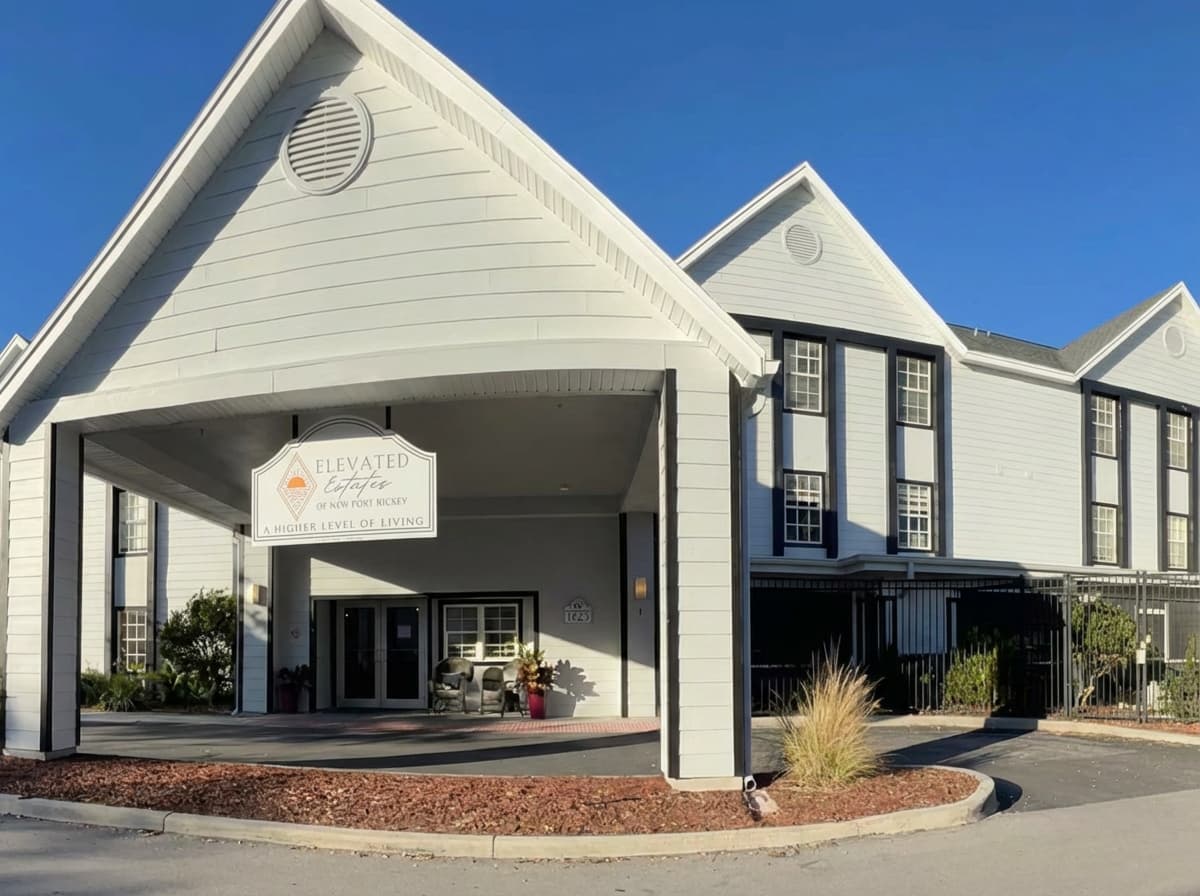
Selecting an appropriate assisted living facility or memory care community requires families to navigate complex decisions involving care needs, finances, and emotional considerations. Douglas Halperin, Principal at Elevated Estates in Florida, offers guidance based on years of experience helping families through this critical transition, emphasizing that understanding both the individual's needs and the facility's capabilities forms the foundation of a successful placement.
Halperin recommends families begin by conducting an honest assessment of current and anticipated care requirements before touring any properties. This evaluation should encompass medical acuity levels, lifestyle preferences regarding community size, and desired activities, whether focused on outdoor spaces or indoor amenities. Matching these specific needs with specialized facility offerings proves more effective than seeking any available placement.
Financial considerations present significant challenges, as many families underestimate the complexity of assisted living pricing structures. Advertised rates often represent starting points rather than total monthly costs, with increases sometimes reaching three to four thousand dollars more based on care criteria. Halperin advises families to inquire about pricing models during tours, distinguishing between all-inclusive rates and tiered systems that charge additional fees for specific services. For memory care situations, where cognitive decline typically progresses, understanding how costs might increase over time becomes particularly crucial to avoid disruptive relocations due to affordability issues.
Medicaid eligibility significantly impacts long-term planning, as facilities vary in their acceptance of this payment method versus operating solely on private pay. Halperin suggests choosing facilities that remain affordable as care needs increase rather than starting at financial limits, preventing the trauma of moving individuals with memory impairment. More information about Florida senior housing options is available at https://elevatedestates.org.
Physical tours provide essential insights that online research cannot replace. Halperin strongly recommends visiting properties under serious consideration, examining actual resident rooms and bathroom configurations to ensure they accommodate specific mobility challenges. Beyond physical facilities, evaluating staff interactions and community culture reveals intangible qualities affecting daily life. Observing whether staff engage residents warmly by name and whether the community demonstrates flexibility around individual preferences indicates genuine commitment to resident wellbeing.
Recognizing the appropriate time for transition involves identifying warning signs such as increasing home health care hours or concerning social isolation. While some moves result from sudden medical events, others develop gradually from extended conversations about improving care quality and social engagement. Halperin's guidance ultimately centers on thorough research, honest assessment, and prioritizing long-term fit over short-term convenience when selecting senior care facilities.