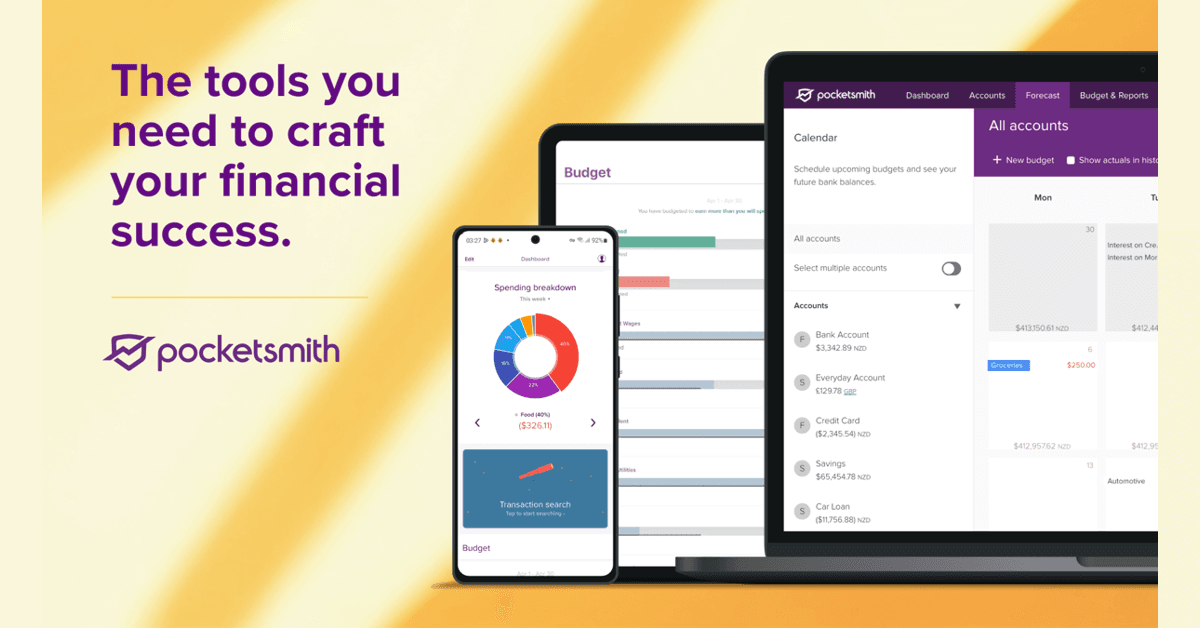
The passage of Canada's Consumer-Driven Banking Act in February 2026 represents a significant policy shift that could transform how Canadians access and manage their financial data. With oversight from the Bank of Canada, this framework will enable open banking in the country for the first time, allowing consumers to access their data in real-time for more seamless budgeting and money management. PocketSmith, a global fintech company that has provided bank feed services since 2011, has acknowledged the legislation with cautious optimism, recognizing both its potential benefits and implementation challenges.
Jason Leong, PocketSmith CEO and Co-founder, stated that the legislation addresses a longstanding problem for Canadian households. "For many years, accessing and sharing financial data securely has been harder than it should be," Leong said. "This framework is an important step toward giving people clearer visibility over their money and more confidence in the tools they use every day." The company's perspective is informed by its experience operating in established open banking markets including the U.K., Australia, and New Zealand, where it has observed how open banking can help families feel more in control during times of rising costs and financial uncertainty.
Canada's delay in implementing open banking policies has created significant challenges for both consumers and financial technology providers. PocketSmith's tracking data reveals severe accessibility issues with Canadian bank feeds, with traditional banks showing connection success rates ranging from 73% at best to 0% at worst over the past five years. This technological lag has made it difficult for Canadian residents to fully participate in 21st-century financial technologies that are commonplace in other developed nations.
While the legislation represents progress, PocketSmith approaches the news with measured expectations based on international experience. The company notes that there is often a lag between the passage of legislation and successful implementation, as seen in countries like the U.K., New Zealand and Australia. Canadian financial institutions had been working on deadlines of early 2026 for read-access and mid-2027 for write access even before the CDB Act's passage, but delays in the legislation's approval may affect these timelines.
Implementation challenges typically involve developing regulatory guidelines that balance practicality with compliance with existing privacy laws. "We're optimistic about what this means for Canadians and look forward to supporting a system that is secure, reliable and centred on consumer benefit," Leong added. The successful implementation of open banking could significantly improve financial management for Canadian households, providing more reliable access to banking data through platforms like PocketSmith that help users forecast, budget, and plan with greater confidence.
The Consumer-Driven Banking Act's passage marks a turning point for Canada's financial technology landscape, potentially bringing the country in line with global standards for data accessibility and consumer financial empowerment. As the framework moves toward implementation, its success will depend on effective collaboration between financial institutions, regulatory bodies, and technology providers to create a system that delivers on the promise of secure, consumer-driven financial connectivity.