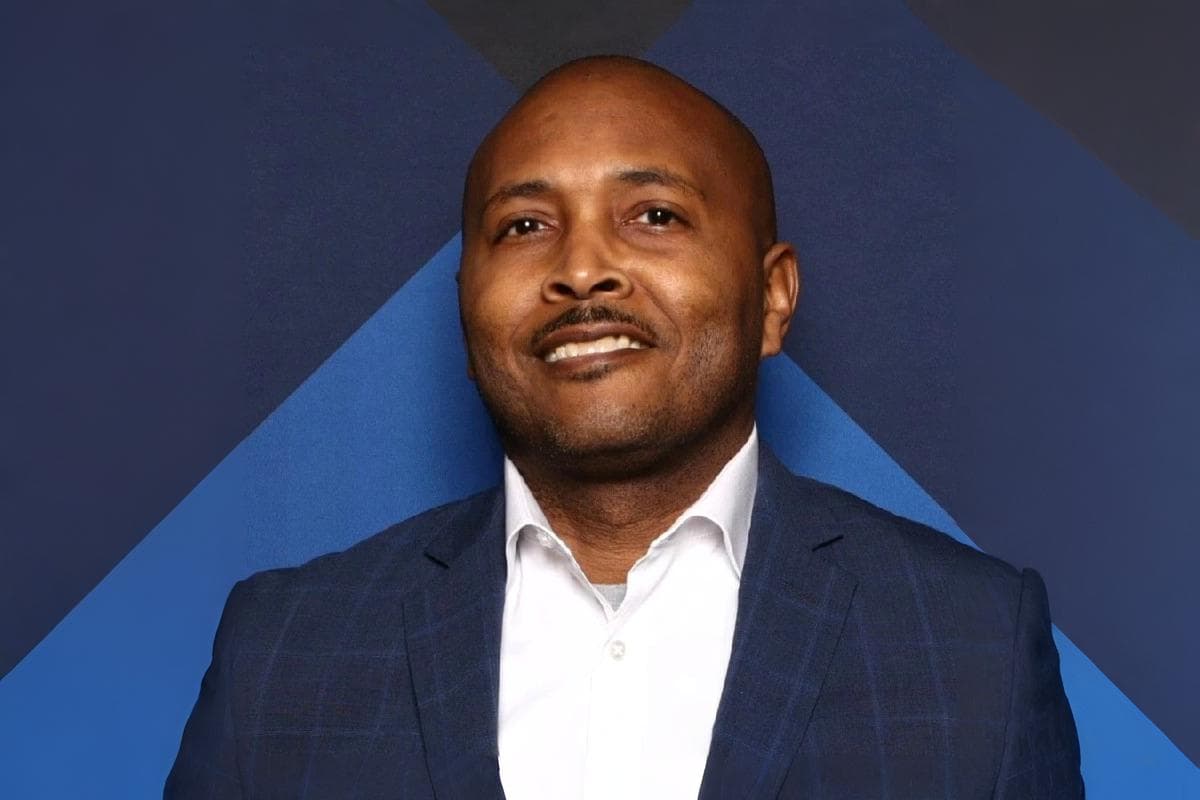
Title companies evaluating automation solutions face a fundamental strategic decision that extends beyond technology selection: whether to own the code that runs their operations or pay ongoing transactional fees to vendors. According to Jimmy Lewis, Co-Founder and CEO of TrueFocus Automation, this ownership question has become the deciding factor in automation deals, particularly for larger title operations concerned about long-term costs and data security.
The traditional automation vendor model follows the Software as a Service approach, where vendors retain ownership of the solutions they build while charging ongoing transactional fees based on usage volume. For title companies processing thousands of orders monthly, these fees compound quickly. A bot costing $2.50 per transaction becomes $60,000 annually at 2,000 monthly orders, creating significant recurring expenses that can exceed ownership costs over time.
TrueFocus Automation offers both models through their services at https://truefocusautomation.com. Clients can choose the SaaS approach with lower upfront costs, or pay approximately $9,500 per bot for full ownership rights. Sridhar Loganathan, TrueFocus's COO and Co-Founder, notes that ownership conversations typically surface after companies have been using automation for a while, with clients requesting prices to acquire exclusive rights for bot code.
The financial implications become particularly significant when volume scales. A title company processing 50,000 orders annually might pay $25,000 in transactional fees for a single automation. After two years, they've paid more than the ownership model would have cost, with no equity in the solution. This mathematical reality drives many companies toward ownership models once they've validated automation's return on investment.
Beyond pure cost considerations, ownership addresses critical data security concerns. Title companies handle sensitive financial information, social security numbers, and confidential transaction details. Some operations prefer keeping automation infrastructure entirely in-house rather than routing data through vendor-controlled systems, even with proper security protocols. This security consideration becomes particularly important given the sensitive nature of title insurance documentation.
The ownership model also provides greater control over maintenance timing and customization. With SaaS solutions, vendors control when updates deploy and how customizations get prioritized. Owned solutions allow companies to schedule changes around their own operational calendars and business priorities, providing greater operational flexibility and alignment with specific business needs.
Lewis observes distinct patterns in how different sized companies approach this decision. Mid-market title companies typically start with SaaS models to minimize upfront investment, then convert to ownership once they've validated the ROI. Larger operations often skip directly to ownership models, viewing automation as infrastructure investment rather than recurring operational expense. This distinction reflects broader questions about technology strategy and how companies perceive automation's role in their operations.
For title insurance automation specifically, the stakes extend beyond typical business process automation. These bots don't just improve efficiency; they directly impact whether policies get issued accurately and on time. This criticality makes the ownership question more than a financial calculation. It becomes a question of operational control over mission-critical systems that directly affect business outcomes and customer satisfaction.
The decision between owning automation technology versus paying transactional fees represents a fundamental strategic choice with implications for long-term cost structure, data security, operational control, and business flexibility. As automation becomes increasingly central to title operations, this ownership question will likely become more prominent in technology planning and investment decisions across the industry.