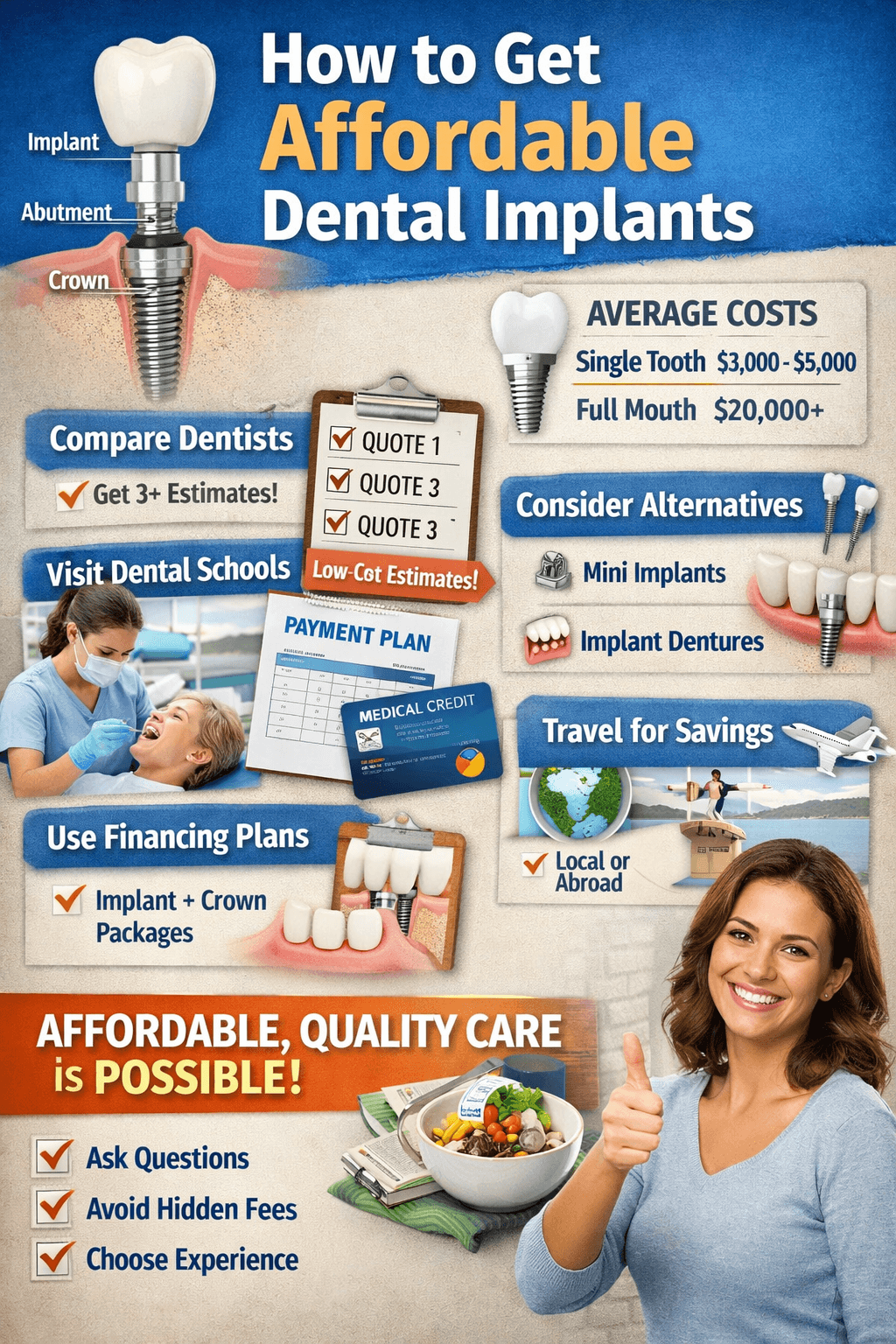
Dental implants, often described as the gold standard for tooth replacement, represent a significant financial investment for many patients. The complexity of the procedure contributes to costs that typically range from $3,000 to $5,000 for a single tooth implant, with multiple implants costing $6,000 to $15,000 and full mouth implants reaching $20,000 to $50,000 or more. These expenses stem from multiple components including the implant post, abutment, and crown, plus potential additional procedures like bone grafting or tooth extractions.
Despite the initial expense, dental implants are considered a long-term investment that can save money over time compared to alternatives like dentures or bridges, which often require replacements or adjustments every few years. Implants can last decades with proper care while preserving jawbone health and preventing further dental issues. The key to affordability lies in strategic approaches rather than simply seeking the lowest price.
Comparing multiple dentists is essential, as prices can vary significantly between clinics even within the same city. Patients should obtain at least three quotes to identify fair pricing and understand different service packaging approaches. Many clinics offer bundled packages that include the implant, abutment, and crown, which are often cheaper than paying for each component separately. Specialized implant centers frequently provide lower prices due to their high procedure volume and efficiency, sometimes featuring in-house labs that further reduce expenses.
For significant savings, dental schools offer treatments at reduced rates, sometimes up to 50% less than private clinics, with procedures performed by students under licensed professional supervision. While appointments may take longer and scheduling can be less flexible, the quality of care remains closely monitored. Financing options make implants more accessible through monthly payment plans offered by many dental clinics or through medical credit cards like CareCredit that provide low or zero-interest payment periods.
Dental insurance may cover preliminary procedures like exams, X-rays, and extractions, with some plans contributing to crown portions. Dental membership plans offered by clinics provide discounts on procedures and often include free checkups. Alternative solutions include mini dental implants, which are smaller, less invasive, and cheaper, ideal for patients with insufficient bone density. Implant-supported dentures use a few implants to support a full set of dentures, significantly reducing costs while providing secure fit.
Geographic considerations impact pricing, with urban areas typically charging more than smaller cities or dental hubs. Domestic travel to nearby cities can yield savings, while some patients consider dental tourism abroad, though this requires careful research to ensure safety and quality standards. Patients should ask specific questions about all-inclusive pricing, additional fees for follow-ups, and complication protocols to avoid hidden costs that can transform affordable quotes into expensive surprises.
The importance of quality cannot be overstated, as poor-quality work can lead to complications, infections, and implant failure, often costing more to fix than proper initial treatment. Patients should focus on finding experienced professionals, reading reviews, and asking thorough questions. Affordable dental implants are achievable through informed decision-making that balances cost considerations with health and safety priorities, ultimately providing long-lasting results that improve both appearance and quality of life.