

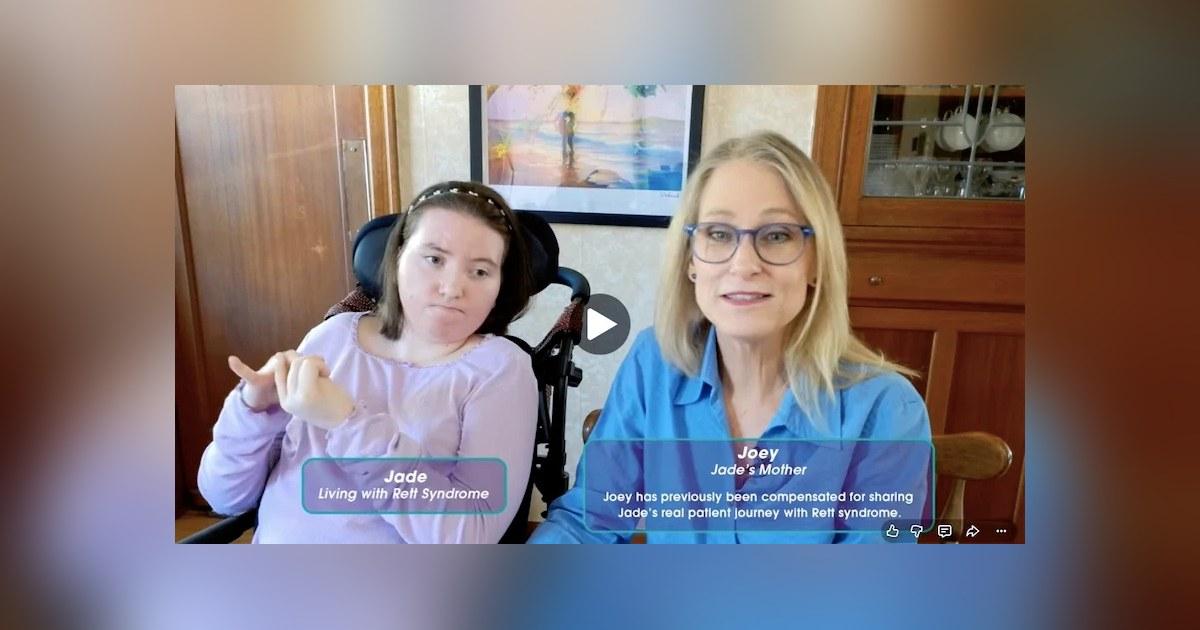
Rett syndrome, a rare genetic disorder that primarily affects girls, presents significant challenges for families and caregivers. In a recent feature sponsored by Acadia Pharmaceuticals, Joey offers a personal perspective on caring for her daughter Jade, who lives with the condition. The story, part of a series aimed at raising awareness, also includes insights from clinical geneticist Dr. Steve Skinner on treatment and management strategies.
Joey's account sheds light on the daily realities of Rett syndrome, a disorder that can cause severe impairments in speech, motor skills, and coordination. While the source does not detail specific symptoms or experiences, Joey's narrative underscores the emotional and practical demands placed on families. Her journey is emblematic of the resilience required when caring for a child with complex medical needs.
Dr. Steve Skinner, a clinical geneticist, provides a medical perspective on Rett syndrome, discussing approaches to treatment and management. Although the source does not specify particular therapies or interventions, Skinner's expertise highlights the importance of specialized care and ongoing research. For families affected by rare diseases, access to knowledgeable healthcare providers is crucial, and Skinner's involvement suggests a focus on bridging clinical understanding with patient experience.
The feature is sponsored by Acadia Pharmaceuticals, a company involved in developing treatments for neurological and rare diseases. By sharing Joey and Jade's story, the company aims to foster greater awareness and understanding of Rett syndrome. For readers, this narrative offers a glimpse into the lives of those affected and emphasizes the need for continued support and research. More information about the series can be found through Acadia Pharmaceuticals.
The implications of such awareness campaigns extend beyond individual families. Rare diseases like Rett syndrome often receive less attention and funding compared to more common conditions, making storytelling a powerful tool for advocacy. By highlighting personal journeys, these initiatives can influence public perception, encourage earlier diagnosis, and drive investment in research and treatment options. For the pharmaceutical industry, engaging with patient communities can also inform drug development and improve access to therapies.
While the source material is limited, the core message is clear: understanding the lived experience of patients and caregivers is essential for advancing care. As Dr. Skinner's perspective suggests, a multidisciplinary approach that combines genetic insights with compassionate support is vital. For now, stories like Joey's serve as a reminder of the challenges faced by families and the importance of continued efforts to improve outcomes for those with Rett syndrome.
