

As more Americans explore healthy aging beyond chronological age, AgeReverse, a Canadian longevity company focused on cellular wellness, is helping explain the emerging science of biological age and how it differs from chronological age. The topic gained renewed attention following a September 2026 Stanford Medicine report examining the opportunities and limitations of biological age testing. Researchers discussed how DNA methylation clocks, blood biomarkers and other measurements are used to study aging, while cautioning that no single test can provide a complete picture of an individual's health.
For AgeReverse, the discussion reflects a shift in how consumers think about longevity: from simply counting years to better understanding the biological processes associated with aging. "Two people can be the same chronological age but experience aging very differently," said Kubi Turkmen, Founder and CEO of AgeReverse. "Our goal is to help consumers understand the science behind those differences and why healthy aging involves much more than any single measurement, ingredient or product."
Chronological age measures the number of years a person has lived. Biological age, by contrast, is an estimate based on biological characteristics that change as the body ages. Researchers use several approaches to study biological aging, including DNA methylation patterns, blood biomarkers, telomere measurements and physical function.
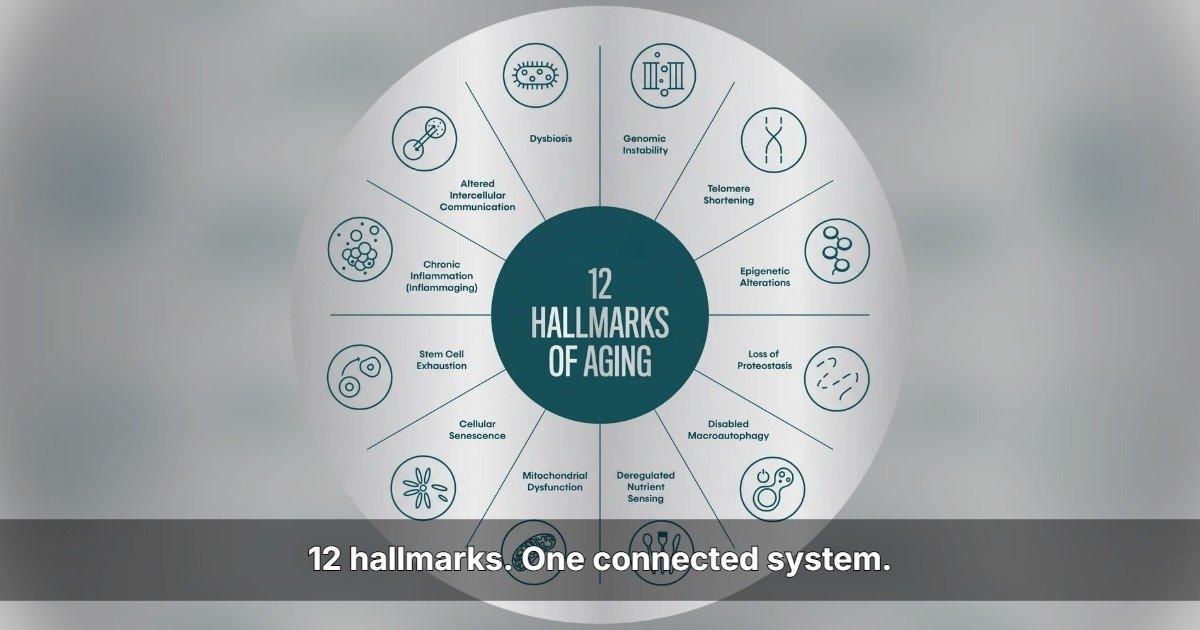
AgeReverse recently developed an educational guide, Why We Age and Why We Do Not Have To, explaining the scientific concepts behind biological aging and the 12 Hallmarks of Aging. The guide emphasizes several considerations for consumers: biological age and chronological age are different; no single test tells the complete story; consistency matters when comparing results over time; lifestyle remains essential; and biological age is not a diagnosis.
The guide also explains the 12 Hallmarks of Aging, a scientific framework first introduced with nine hallmarks in 2013 and expanded to 12 in 2023. The framework describes interconnected biological processes associated with aging, including genomic instability, telomere attrition, epigenetic alterations, mitochondrial dysfunction, cellular senescence and chronic inflammation. Rather than viewing aging as a single process, the framework helps researchers examine how different biological changes interact over time. AgeReverse uses this framework to inform its broader science-first approach to healthy aging.
"Understanding the 12 Hallmarks helps explain why aging is such a complex process," Turkmen added. "It also reinforces our belief that consumers should look at healthy aging comprehensively, including nutrition, lifestyle, biological measurements and overall wellness."
AgeReverse's growing product range includes its flagship RESURGE formulation and a BioAge Test designed to provide consumers with information about biological age. The BioAge Test uses DNA methylation analysis, an approach that examines chemical markers associated with aging. AgeReverse recommends interpreting results as estimates and considering them alongside other indicators of health and wellness. RESURGE was developed around the 12 Hallmarks of Aging framework, with a multi-ingredient formulation including NMN, CoQ10, Quercetin, Fisetin, Resveratrol, Astragalus Extract and other ingredients associated with antioxidant and nutritional wellness support. The company emphasizes that biological age testing should not be interpreted as proof that RESURGE or any other supplement can reverse aging.
AgeReverse is also developing additional products focused on external skin aging, including daily skincare, professional aesthetic formulations and non-invasive mesotherapy technology. Through its educational materials and expanding product range, the company aims to make longevity science more accessible. RESURGE and the BioAge Test are featured on the company's online store at AgeReverseLongevity.com. RESURGE is also available through Amazon and OneLavi.com.
The announcement matters because it signals a broader consumer shift toward understanding the biology of aging rather than relying on a single metric or product. As biological age testing becomes more common, AgeReverse's emphasis on consistency, lifestyle and the limitations of testing may help set expectations in a market where claims can outpace evidence.
