

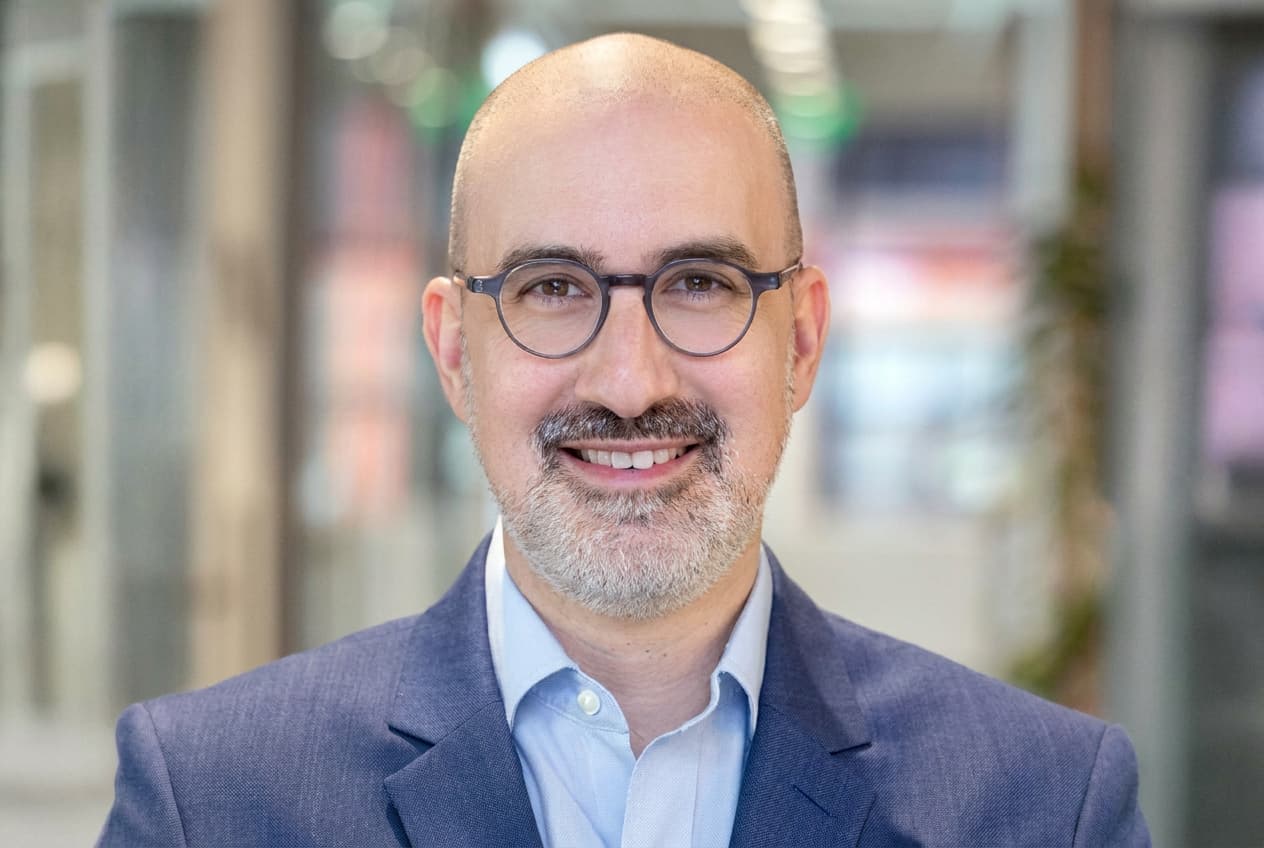
Ron Kutas, CEO of OneWall Communities, pushes back on the binary narrative that AI will either eliminate property management jobs or prove to be overhyped. Instead, he sees AI as a tool to augment human decision-making and efficiency, particularly in data analysis and administrative tasks, while preserving the irreplaceable human elements of leasing, maintenance, and resident relations.
“Property management is still very much a human-first industry,” Kutas says. “Let AI do the things that you’re using computers to do anyway. And allow humans to do the things that only humans can do – which is human-to-human interaction, authentic, real, genuine relationship building.”
OneWall Communities, which manages workforce housing across multiple geographies, has been investing in its technology stack for years. Kutas emphasizes that the practical challenge isn't collecting data but having the capacity to act on it. “AI gives us the ability to have full visibility into every data point within our portfolio,” he explains. “It provides insights so that we can be proactive rather than reactive. It allows us to see the data in real time and project forward-looking trends so that we can stop problems before they occur and add value in ways we haven’t thought about before.”
For OneWall’s asset management team, this means analysts can oversee more properties with greater efficiency. The work that used to consume analytical capacity—pulling data, running comparisons, building reports—now happens faster, freeing people to focus on interpretation, relationships, and strategic decisions. Kutas won’t name vendors whose products didn’t deliver, but his principle is consistent: “Let AI help us where we need the computer anyway.”
Where Kutas draws a hard line is on operational functions that determine community success: leasing, maintenance, community management, and resident relations. These roles rely on the quality of human interaction, which he calls the business model. OneWall’s resident app and onboarding platform aim to reduce administrative overhead so on-site teams can spend more time walking the property, knowing residents by name, and responding to needs before they become complaints.
“It allows our on-site teams to spend more time being resident-facing,” Kutas says, “rather than pulling information, sitting behind a desk, constantly answering questions, looking over data.”
This technology-enabling-people philosophy extends to growth. OneWall has added roughly 16 properties since October. Rather than solve scaling by reducing headcount, Kutas moved up a planned investment in learning and development, hiring a dedicated head to ensure new employees are effective immediately.
Rapid growth also pressures management. Kutas is candid about a shift he made after noticing that multiple star team members were dropping things. “Once I started noticing that multiple superstars are having things fall through the cracks, I realized the problem is me, not them,” he says. The adjustment: more explicit prioritization and clarity on what gets pushed when new priorities arise. Monday team meetings now include a shared project management view, and one-on-ones include a standing agenda item on challenges and manager support.
Kutas sees the same principle at the industry level. Operators who understand real estate fundamentals, have scalable systems, and deploy capital wisely will be positioned well as the market shakes out. Those cutting corners on people, data, and operational discipline will find the window closing. “The first disruption that happens is that workers and people who understand AI are going to replace workers who don’t – before there are mass layoffs or anything like that,” he says. “So I think that’s the first thing: learn the skills, be familiar with the technology, and start to adopt it.”
For OneWall, adapting means using technology to do more of what the company has always been: an owner-operator mentality that treats residents as neighbors, manages expenses like its own money, and builds communities people want to come home to. That, Kutas says, is the part no algorithm will handle.
