

Distracted driving remains a major threat to U.S. roads, and insurers are taking notice. According to new research from SambaSafety, 84% of insurers and brokers now consider distracted driving a major threat to commercial auto profitability, up nearly 10 percentage points in just one year. That surge reflects growing recognition that distraction behind the wheel not only endangers public safety but also drives up costs when crashes occur.
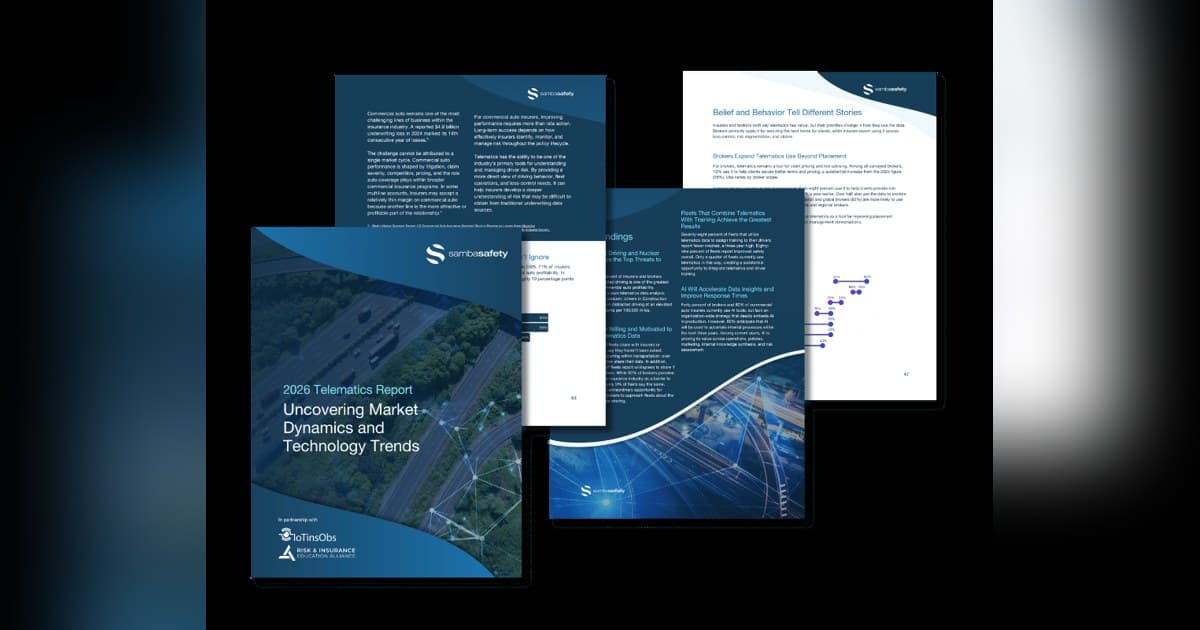
The 2026 Telematics Report draws on responses from 740 fleet, broker, and insurance professionals, along with an analysis of 500 million miles of driving data covering more than 135 million driver behavior events. The findings reveal that safety risks vary considerably by industry, and a one-size-fits-all safety program may leave drivers unprotected.
For example, severe speeding rates differed by more than fivefold across the industries analyzed. Transportation fleets recorded 48 severe speeding events per 100,000 miles, compared with 254 among construction fleets. Such disparities highlight why organizations must tailor their safety strategies to the specific risks their drivers face. Telematics can help by identifying unsafe driving patterns and informing targeted training and safety programs.
Yet even as 90% of fleet respondents use telematics, more than half (53%) say interpreting and acting on the data is a leading challenge. This gap suggests that while the technology is nearly ubiquitous, many organizations still struggle to translate raw data into meaningful safety improvements.
Artificial intelligence (AI) is emerging as a solution. Sixty percent of fleets and 94% of insurers report using AI in some form, including analyzing driver risk data and reviewing footage that once required manual processing. AI could help bridge the gap between data collection and actionable insights.
The report also uncovers a disconnect over data sharing: while 52% of brokers cite fleet distrust as a barrier, only 5% of fleets agree. This suggests fleets may be more willing to share information when they understand its purpose and value. “Understanding risk isn’t just about having more data. It’s having the right information to reveal the story behind it,” said Kristy Kennah, Head of Insurance at SambaSafety.
These findings reflect a broader shift in vehicle safety technology. As telematics and AI become more widely adopted, the focus is moving toward using data to identify risks and support safer decisions on the road. For businesses operating commercial fleets, this means an opportunity to reduce crashes, lower insurance costs, and improve public safety. The (NewsUSA) report underscores that the path to safer roads runs through better understanding of driver behavior—and the tools to act on it.
