

A new federal housing effort has directed the Government Accountability Office to study a formal income definition for the middle class, roughly 80 to 120 percent of area median income, and to recommend where that band fits in national housing policy. For households in that range, the recognition is overdue. For years, the renter earning around 90 percent of AMI has fallen through the middle of the system: too well paid to qualify for subsidized affordable housing, not well paid enough for new Class A apartments.
Ron Kutas, Chief Executive Officer of OneWall Communities, has built a workforce-housing portfolio around that renter for 15 years. His reading of the new measure is that it matters more as a signal than as a solution, and that the way it is being described is already wrong.
The first correction Kutas offers is technical but important. The measure does not define workforce housing, he says. It orders the GAO to study the question and recommend a middle-class income band. “Washington hasn’t specifically named it,” he says, but the request itself is an admission that something in the framework has been missing. The practical value, in his view, is future leverage. Once a federal standard exists, a lender, an investment committee, or a city council can point to it rather than argue over what the words mean. That clarity, he notes, is still some way off.
Kutas frames the gap in terms of who the renter has become. Earning 80 percent of AMI, he argues, is now what counts as middle class, where it once took 60 percent to live comfortably. Inflation, the cost of goods, and the economics of running older apartments have moved the line. The people in that band, in his description, are teachers, nurses, police officers, and warehouse supervisors: households that do not need a subsidy, but that do need a policy keeping the housing they rely on from disappearing.
For all the labeling in the measure, Kutas points out that most of it carries no appropriation, which limits how much it can change in the near term. Provisions were named without funding attached. The change he thinks could matter is the higher FHA multifamily loan limits, which he calls the best provision in the package, finally catching up to what buildings actually cost. A restriction on large institutional investors buying single-family homes, by contrast, he reads as mostly presentational, since the build-to-rent product where most of that capital concentrates is carved out of the limit.
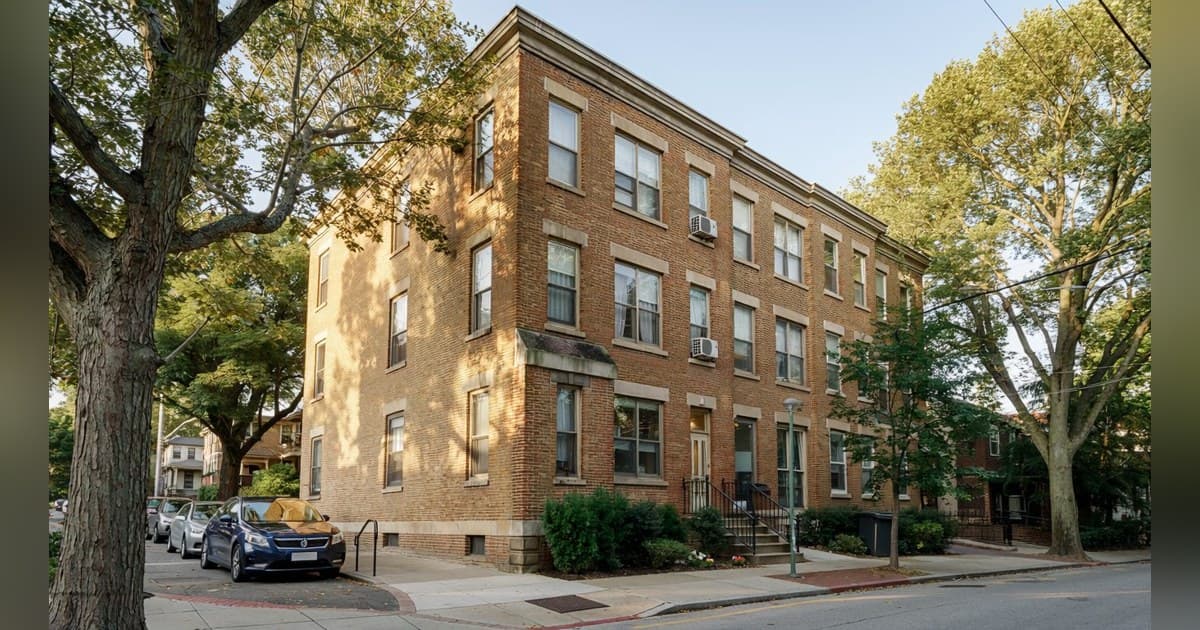
Where Kutas would like to see policy focus is preservation. The country has an aging stock of workforce apartments, and the economics of maintaining them are getting harder: higher taxes, insurance, labor, and interest costs set against rent regulation in many states that caps the income side. Squeezed on both ends, he argues, an owner starts cutting, less qualified maintenance staff, deferred landscaping, an HVAC unit repaired long past the point of replacement, and the building slides toward the bottom of the market and, eventually, out of the usable stock. Grants or incentives to reinvest in these assets, in his view, would do more than another label.
Asked what he would need to see before trusting new federal guidance on a real deal, Kutas named three things. Speed, because HUD financing can take up to nine months to close, which makes it a strong refinancing product but unworkable for an acquisition on a normal timeline. Compliance, because a workforce-eligibility regime that mirrored the complexity of affordable-housing rules would put the product out of reach for most operators. And certainty, because no one will underwrite a ten-year hold on rules a new administration can rewrite in two.
Even naming the gap, Kutas allows, is a win. Whether the measure becomes more than a name will depend on funding, and on guidance that has not yet been written. For now, the middle-income renter has been noticed, which is not the same as being helped.
