

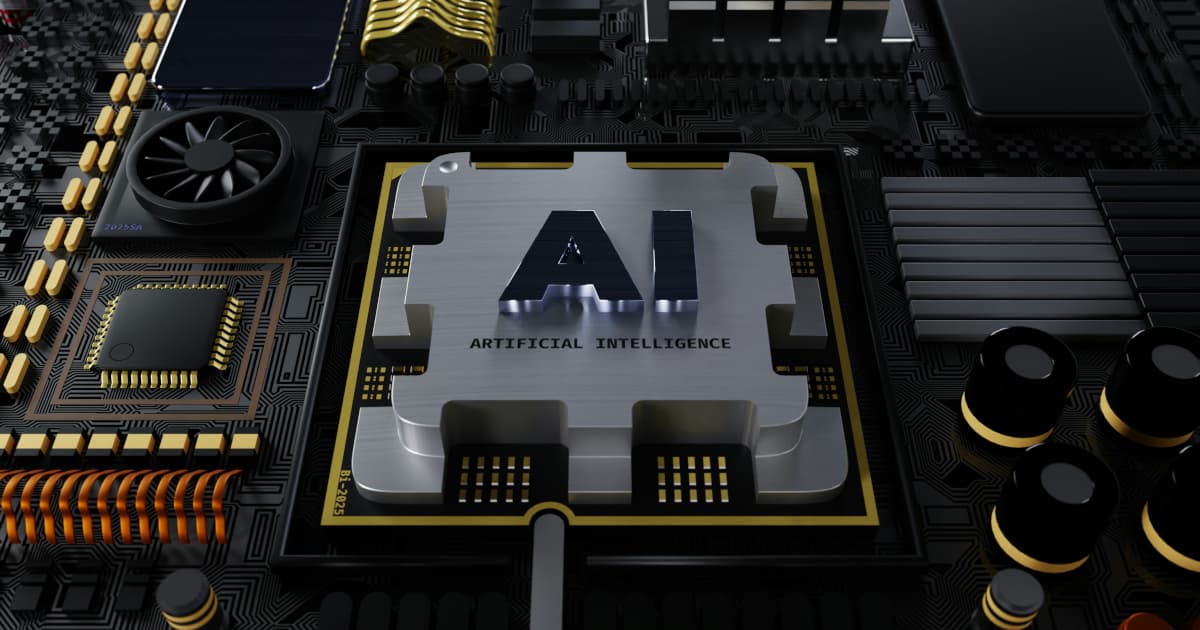
Hong Kong's merchandise exports rose 40.8% year-on-year to HK$611.2 billion in May, according to data released today by the Census and Statistics Department. For the first five months of 2026, total exports of goods reached HK$2,776.6 billion, representing robust growth of 36.2% compared with the same period last year. The strong performance underscores the continued momentum in global trade, particularly in electronics, as artificial intelligence adoption accelerates worldwide.
“Hong Kong’s export performance continues to be underpinned by robust electronics demand, fueled by the ongoing surge in artificial intelligence (AI) adoption worldwide,” said Bruce Pang, Director of Research at the Hong Kong Trade Development Council (HKTDC). The AI boom has driven demand for semiconductors and related components, which are key exports for Hong Kong. This trend is likely to persist as companies and governments invest heavily in AI infrastructure, benefiting Hong Kong's trade sector.
Market sentiment improved somewhat following the Xi-Trump meeting in Beijing in mid-May, though concerns over the Middle East conflict lingered. The tentative easing of tensions after the US–Iran MoU signed in mid-June—despite potential volatility—together with softer oil prices, is expected to positively impact business prospects. Lower energy costs can reduce production expenses and support consumer spending, potentially boosting demand for Hong Kong's exports.
Looking ahead, the trade outlook will depend on several factors, including the technology upcycle, geopolitical developments, energy prices, and global end-market demand. The HKTDC Research will unveil its latest export forecast at a press conference on Monday, 29 June, which will provide further insights into expected trends. For ongoing updates, the HKTDC Media Room offers access to news and reports.
The implications of this export surge are significant for Hong Kong's economy, which relies heavily on trade. Sustained growth could lead to higher GDP, increased employment in logistics and manufacturing, and stronger business confidence. However, risks remain, including potential disruptions from geopolitical tensions or a slowdown in AI investment. The coming months will be critical to assess whether this growth trajectory is sustainable.
