

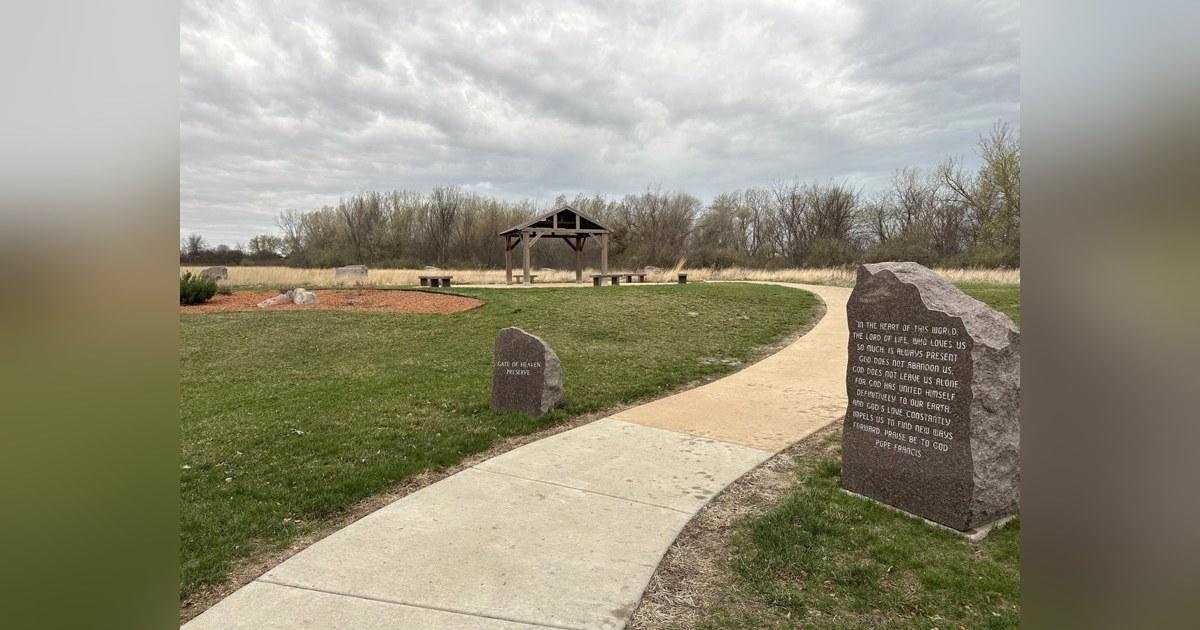
ST. PAUL, MINNESOTA — As Americans increasingly consider the environmental impact of their final arrangements, Interra Green Burial by Mueller Memorial is offering Minnesota families three distinct eco-friendly funeral options: natural green burial, aquamation (water-based cremation), and natural organic reduction, commonly known as human composting. The announcement comes as national research reveals growing interest in sustainable funeral practices.
According to the National Funeral Directors Association's (NFDA) 2025 Consumer Awareness & Preferences Study, 61.4% of Americans surveyed expressed interest in exploring green funeral and natural burial options. The association's 2024 research reported that 68% of respondents expressed similar interest, indicating substantial national interest in environmentally conscious funeral choices.
Additional NFDA research released in November 2026 provides further evidence of shifting priorities. According to the 2026 Cremation & Burial Report, 64.3% of U.S. final dispositions are projected to be cremations in 2026, and 23.2% of respondents selecting cremation cited environmental concerns as a factor, up from 13.9% in 2025. Additionally, 19% reported attending funeral or memorial services in outdoor settings.
"People make environmentally responsible decisions throughout their lives. They recycle, conserve resources, support sustainable businesses and think carefully about the impact they're leaving on the planet," said Scott Mueller, second-generation funeral director and owner of Mueller Memorial. "It makes sense that more people are asking whether those same values can be reflected in their funeral arrangements."
Interra Green Burial by Mueller Memorial was established to help families understand the differences among green funeral practices and select arrangements that reflect their environmental, personal, and financial priorities. In February 2023, Mueller Memorial became a Green Burial Council-certified funeral provider, meeting recognized standards for environmentally responsible funeral practices. The Green Burial Council maintains independent standards and certification programs to help consumers identify funeral providers committed to responsible green funeral practices.
The three options available include natural green burial, which allows the body to return to the earth through natural decomposition without conventional embalming chemicals and typically using biodegradable materials such as a shroud or sustainably produced casket. Aquamation, also called alkaline hydrolysis or water cremation, uses water, alkaline compounds, and controlled temperature rather than direct flame to accelerate the natural breakdown of the body's tissues, avoiding the direct combustion of fossil fuels associated with conventional flame cremation.
Natural organic reduction uses carefully controlled conditions, oxygen, and organic materials to support the transformation of human remains into soil. Minnesota legalized natural organic reduction effective July 1, 2025, joining a growing number of states recognizing alternatives to traditional burial and cremation. The Minnesota Department of Health recognizes natural organic reduction as a legal form of final disposition, subject to applicable licensing and operating requirements. Interra arranges natural organic reduction for Minnesota families through its relationship with Return Home in Washington state, coordinating transportation and disposition logistics.
"Natural organic reduction represents an important addition to the choices available to Minnesota families," Mueller said. "It recognizes that some people want their final act to reflect the environmental principles that guided their lives."
As interest in sustainable funeral options grows, consumers may encounter providers with varying levels of experience, training, and available services. Not all providers offer the same range of choices, and not all services described as environmentally friendly carry the same environmental impact. That distinction makes professional guidance and consumer education especially important.
Interra combines its Green Burial Council certification with the experience of a family-owned funeral home that has served Minnesota families for 80 years. Unlike providers focused on a single form of disposition, Interra helps families compare green burial, water cremation, and natural organic reduction alongside conventional burial and flame cremation.
Selecting a green funeral does not mean forgoing a visitation, memorial ceremony, or gathering of family and friends. It means considering how those traditions can be honored while making environmentally conscious decisions about the final disposition. For individuals interested in green options, advance planning can be particularly valuable, documenting preferences to give family members the information they need and reduce the burden of making unfamiliar decisions during an emotionally difficult time.
"The most important thing is that people understand their choices," Mueller said. "We're not here to tell someone that a particular method is right for them. Our responsibility is to explain the differences, answer their questions and help them make informed decisions."
For Minnesota residents considering natural burial, aquamation, or natural organic reduction, the first step is understanding what is available. More information is available at www.InterraBurial.com.
