

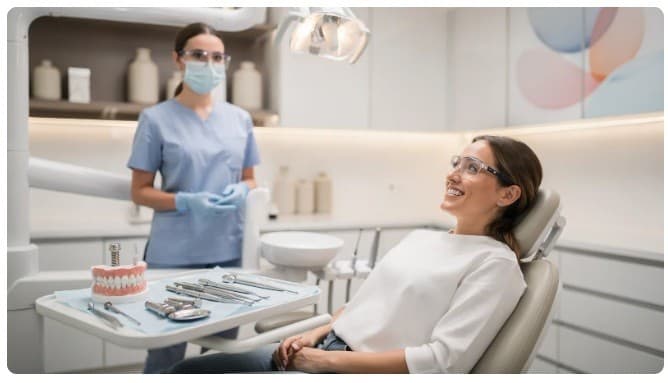
Dental implants are often considered the gold standard for replacing missing teeth, but their cost can be a significant barrier for many patients. In Denton, Texas, a new resource aims to help individuals navigate the financial aspects of implant treatment while ensuring they do not sacrifice quality. The guide, provided by Affordable Dentist Near Me of Denton, offers practical advice on how to reduce expenses without compromising safety or outcomes.
The high cost of dental implants is largely due to the complexity of the procedure. Treatment typically involves multiple stages, including examination, imaging, implant placement, healing, and final restoration. The total price can vary based on individual needs, such as the number of implants required, the need for bone grafting, or the choice of materials. High-quality implant systems are designed for durability and biocompatibility, and the expertise of the dental professional also influences cost. Rather than focusing solely on the cheapest option, the guide recommends asking what is included in the total price to make accurate comparisons.
One of the most effective strategies is to compare several dental providers. Prices can vary significantly due to location, experience, materials, and technology. The guide advises obtaining detailed treatment estimates from at least two or three qualified dentists, ensuring each estimate clearly outlines what is covered. Key components to consider include the initial consultation, X-rays or 3D imaging, tooth extraction, implant placement, abutment, crown, bone grafting, temporary restoration, follow-up visits, and laboratory fees. A clinic advertising an extremely low price may exclude essential steps, leading to unexpected expenses later.
Financing and payment plans are another avenue to explore. Many practices offer options that allow patients to spread the cost over months or years. However, the guide cautions patients to review the terms carefully, including interest rates, administrative fees, and penalties. Promotional financing may be available for qualified patients, but it is essential to calculate the total amount to be paid over the life of the agreement.
Dental insurance may also help reduce out-of-pocket costs. While not all plans cover implants, some provide partial coverage for related procedures such as extractions or crowns. The guide recommends contacting the insurance provider to ask about specific implant coverage, deductibles, annual limits, and waiting periods. For those without insurance, dental savings plans can offer discounted fees for participating members, potentially lowering the overall cost.
Another option worth considering is treatment at dental schools, where students perform procedures under faculty supervision at reduced rates. While not suitable for all cases, reputable teaching clinics can provide supervised care at a lower cost. However, patients should inquire about the qualifications of the students, the level of supervision, and the duration of treatment.
When comparing options, the guide emphasizes the importance of long-term value over the lowest initial price. Implant placement is a surgical procedure, and complications can lead to additional expenses. An inexperienced provider offering a low quote may end up costing more in the long run. The guide uses the analogy of buying a car: the cheapest vehicle may not be the most reliable or durable. Similarly, a high-quality implant placed by an experienced professional may offer better longevity and fewer problems.
Patients are also encouraged to ask about alternative treatment options. For example, implant-supported bridges or dentures can replace multiple teeth with fewer implants, potentially reducing costs. However, the guide stresses that the choice should be based on clinical suitability, not just price. A personalized treatment plan can sometimes avoid unnecessary procedures while still achieving excellent results.
Preventive care is highlighted as a simple way to control dental expenses. Maintaining good oral hygiene and attending regular check-ups can reduce the likelihood of needing costly procedures in the future. Healthy gums and adequate bone support are also crucial for the success of implants, making early treatment of gum disease especially important.
For those considering dental tourism, the guide urges caution. While treatment abroad may appear cheaper, hidden costs such as travel, accommodation, and follow-up care can add up. Patients should thoroughly research the dentist's qualifications, clinic standards, and aftercare arrangements. The guide advises asking what happens if complications arise after returning home.
Finally, the guide recommends requesting a complete written treatment plan with an itemized estimate. This allows for easier comparison and ensures transparency. Patients should ask about potential additional costs, such as bone grafting, and clarify what is included in the quoted price. A dentist who answers questions clearly and provides a detailed plan is likely to be more trustworthy.
In conclusion, affordable dental implants do not mean compromising on quality. By comparing providers, understanding the full scope of costs, exploring financing and insurance options, and focusing on long-term value, patients in Denton and beyond can make informed decisions that protect their oral health and their wallets.
