

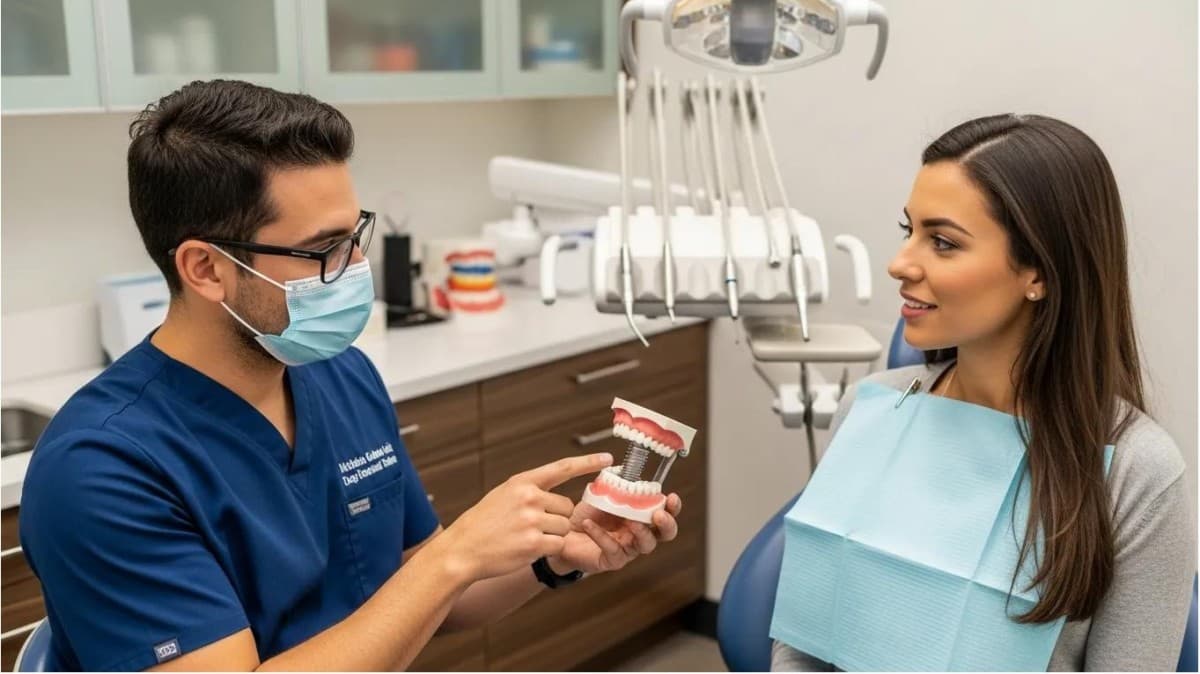
Missing teeth can affect far more than your appearance, making eating difficult, lowering confidence, and impacting speech. Dental implants have become a trusted solution for restoring smiles naturally and permanently, but the cost often deters patients. However, affordable dental implants are possible with careful planning and research. By comparing clinics, understanding pricing structures, exploring financing plans, and learning how implant procedures work, patients can save money while still achieving long-lasting results.
Modern dentistry has made implants more accessible than ever. Clinics now offer flexible payment plans, competitive pricing, and advanced technologies that improve safety and comfort. Patients are becoming smarter consumers, researching implant brands, reading reviews, and asking important questions before making a decision.
Dental implants are designed to replace missing teeth naturally. Unlike dentures that can slip or bridges that rely on surrounding teeth, implants are placed directly into the jawbone, creating a stable foundation. One of the biggest advantages is durability—with proper care, implants can last decades, potentially saving money over time compared to traditional options. Implants also preserve jawbone health, preventing shrinkage and maintaining facial structure. Confidence is another major reason people choose implants, as they allow for smiling freely, eating comfortably, and speaking without embarrassment.
The cost of dental implants varies based on several factors: the number of implants needed, the dentist's experience, the type of implant material (titanium vs. zirconia), additional procedures like bone grafting, and location. Clinics in major cities often charge more due to higher operating expenses. Smart strategies to find affordable implants include comparing multiple clinics, using financing plans, considering dental schools for reduced-cost procedures, looking for promotions, and even traveling to areas with lower prices. However, extremely cheap offers can be risky, with unclear pricing, rushed consultations, and low-quality materials leading to complications. Patients should ask about the dentist's experience, implant brands, included services, and follow-up care.
Choosing the right implant specialist is critical. A qualified professional with experience, advanced technology like digital imaging, and clear communication can improve outcomes. Aftercare, including follow-up visits and oral hygiene, ensures long-term success. Affordable dental implants are not just about saving upfront costs; they are an investment in long-term value, offering stability, comfort, and durability that improve quality of life. By researching carefully and asking the right questions, patients can find quality implant care that fits their budget.
