

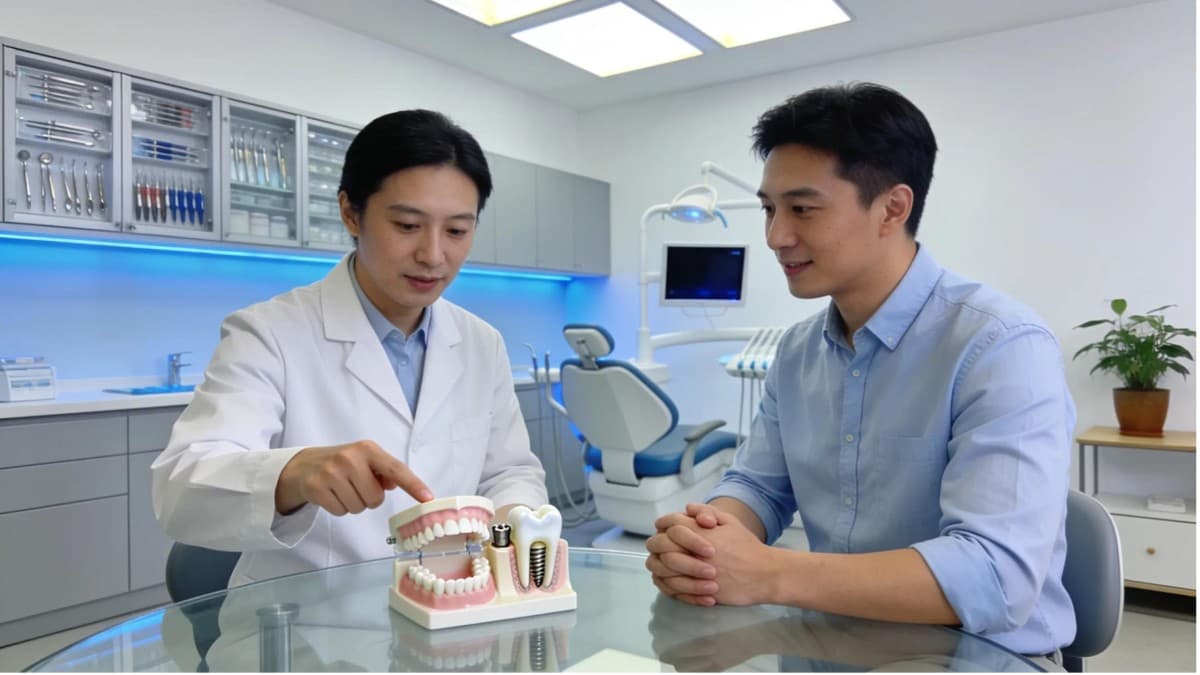
Dental implants are widely regarded as one of the most durable and natural-looking solutions for replacing missing teeth. Unlike removable dentures or traditional bridges, implants are surgically placed into the jawbone and designed to function like natural tooth roots. The overall treatment often includes advanced imaging, surgical placement, healing time, an abutment, and a custom-made crown. Because multiple stages and specialized expertise are involved, implants generally cost more than other tooth replacement options. Recent market estimates show that a single dental implant can commonly range from around $3,000 to $5,000 or more in the United States, while full-mouth treatments can cost significantly higher depending on complexity. Additional procedures such as bone grafting or sinus lifts may further increase expenses.
However, choosing the cheapest option can be risky. Some promotions exclude essential services such as consultations, imaging, abutments, or final crowns, making the initial quote misleading. Inexperienced providers or low-quality materials may also increase the risk of complications or replacement costs later. Instead of focusing only on price, evaluating the provider's experience, treatment planning process, technology, warranty policies, and the quality of materials used is crucial. A reasonably priced implant performed correctly is often a far better investment than an unusually cheap procedure that requires costly revisions.
One of the best ways to reduce costs is by comparing treatment plans from several qualified clinics. Request written estimates that clearly list consultations, imaging, surgery, implant components, and restoration costs so you can compare apples to apples. Financing plans can also make implants more manageable by spreading payments over time. Some dental insurance policies partially cover implant-related procedures, while flexible spending accounts (FSAs) or health savings accounts (HSAs) may help reduce out-of-pocket expenses where available. Another option is treatment through accredited dental schools, where supervised students or residents perform procedures under experienced faculty oversight at reduced prices. Patients who are flexible with scheduling may benefit from meaningful savings while still receiving professional care.
Dental tourism has become increasingly popular because treatment costs vary widely between countries and regions. Some destinations advertise substantial savings on implant procedures compared with higher-cost markets. However, lower prices should never be the only deciding factor. When considering treatment abroad, investigate the clinic's credentials, infection control standards, follow-up care, warranty policies, and communication practices. Complications requiring return travel can quickly eliminate any initial savings. Carefully calculating the total cost—including flights, accommodations, and future maintenance—is essential before making a decision.
Before agreeing to treatment, ask whether the quoted price includes every stage of care. Some clinics advertise only the surgical implant while billing separately for imaging, sedation, healing components, or the final crown. Useful questions include: Is the crown included? Are bone grafts extra? Which implant system is used? Are follow-up visits included? Is there a warranty? Obtaining clear written answers helps avoid misunderstandings and makes comparing providers much easier.
Although pricing varies by location and patient needs, recent estimates suggest general ranges: a single implant with crown approximately $3,000–$5,000+, full-arch implant restoration approximately $15,000–$30,000+ per arch, and full-mouth reconstruction can exceed $30,000–$60,000+. Additional treatments such as bone grafts, extractions, or advanced imaging may increase the total investment.
Although implants involve a significant upfront investment, they often provide substantial long-term value. Properly maintained implants can last for decades, preserve jawbone health, improve chewing function, and restore confidence in daily life. Compared with alternatives that may require replacement or adjustment over time, implants can prove cost-effective in the long run. Good oral hygiene, regular dental checkups, and avoiding habits such as smoking all contribute to implant longevity. Patients who view implants as a long-term health investment rather than simply an expense are often more satisfied with the outcome.
For those seeking affordable options, the key is to research providers thoroughly, compare comprehensive treatment plans instead of headline prices, explore financing opportunities, and understand exactly what is included before committing. Choosing experienced professionals and high-quality materials can reduce the likelihood of expensive complications and provide lasting results that improve both oral health and quality of life. For more information, visit Affordable Dentist Near me of Denton.
