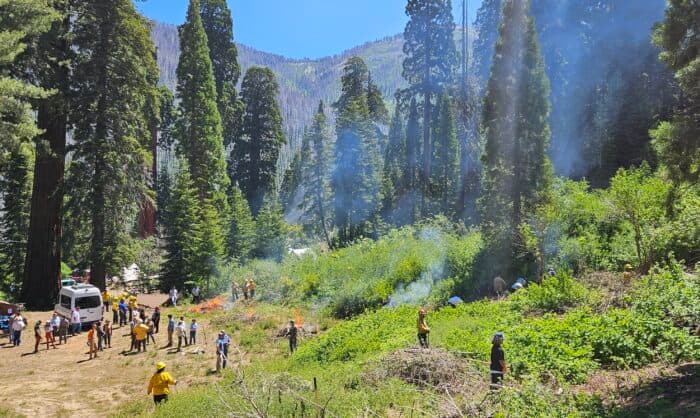
The Giant Sequoia Lands Coalition (GSLC) has made substantial strides in protecting the world's largest trees from extreme wildfires, according to its 2024 progress report. Since 2022, coalition partners have completed restoration treatments across 18,743 acres in 44 giant sequoia groves, significantly reducing wildfire risks and improving forest health.
Over the past decade, approximately 20% of mature giant sequoias have died from catastrophic megafires, primarily during the 2020 and 2021 fire seasons. The coalition's comprehensive approach includes scientific research, cultural burning practices, and rapid wildfire response strategies to mitigate these devastating losses.
Key achievements in 2024 include scientific advancements in understanding post-fire regeneration, innovative health inspections of landmark trees like General Sherman, and collaborative cultural burning demonstrations with indigenous tribes. The coalition planted more than 74,800 native trees this year, bringing the three-year total to over 617,000 trees.
During the Coffee Pot Fire in Tulare County, GSLC members demonstrated their swift response capabilities, minimizing large tree losses through coordinated firefighting efforts. The coalition's work is crucial not only for preserving these iconic trees but also for maintaining essential ecosystem services, including wildlife habitat, carbon storage, and water quality protection.
Despite significant progress, coalition leaders emphasize that ongoing challenges require sustained funding, long-term coordination, and supportive policies to protect these irreplaceable forests from climate change and fire-related threats.