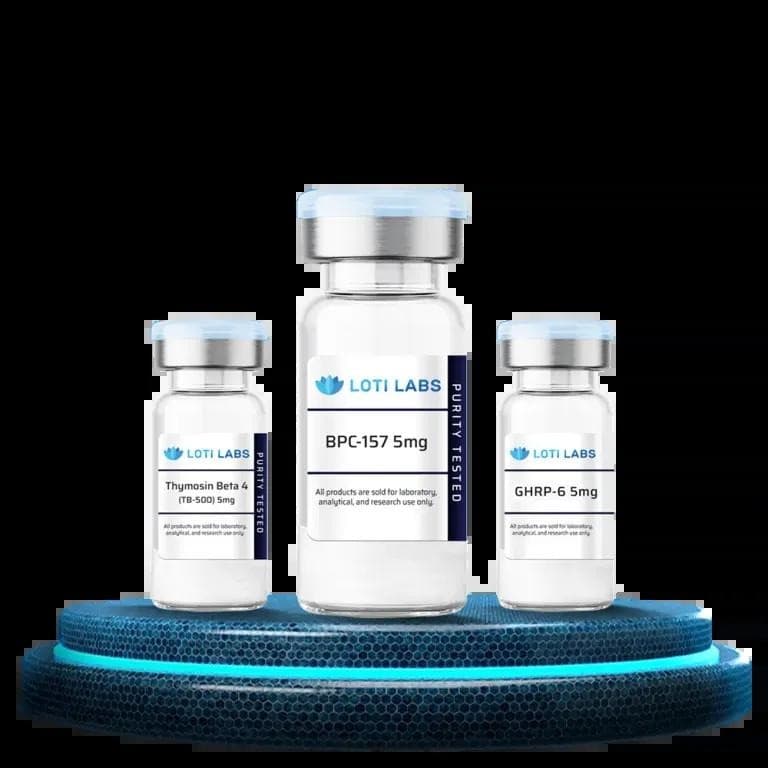
Peptides, consisting of short chains of amino acids, serve as either signaling or structural molecules that significantly influence biochemical pathways. Research in this field examines how peptide sequence, structure, and chemical characteristics affect formation, receptor interactions, enzymatic modulation, and structural functions, with practical applications spanning therapeutic design, metabolic research, tissue repair, and antioxidant studies. The mechanisms underlying peptide action provide crucial insights for developing targeted interventions across multiple biological systems.
Peptide formation occurs through condensation reactions where amino groups and carboxyl groups of amino acids form covalent peptide bonds, creating a backbone with free N-terminus and C-terminus. The primary sequence conveys essential information for molecular recognition, stability, and interaction surfaces. Short peptides like dipeptides and tripeptides demonstrate high solubility and rapid turnover, while longer oligomers adopt secondary structures such as alpha helices or beta sheets. The distinction between peptides and proteins primarily lies in size, with peptides typically containing fewer than 50 residues and often functioning as signaling molecules, while proteins form stable three-dimensional structures for structural, catalytic, or transport roles.
Peptides operate through several key mechanisms, including binding to specific receptors to initiate intracellular signaling cascades, modulating enzymes via competitive or allosteric interactions, and disrupting membranes in antimicrobial sequences. Receptor binding relies on complementary surfaces formed by side chains, with sequence dictating both affinity and specificity. Activation often engages G-proteins or kinase pathways, resulting in second-messenger responses such as cAMP or calcium flux that modify gene expression, enzymatic activity, or cellular metabolism. These varied mechanisms make peptides versatile tools for biochemical modulation and experimental exploration.
Classification by length and biological function aids experimental design, with dipeptides serving as metabolic intermediates, oligopeptides acting as hormones or rapid-response signaling molecules, and polypeptides adopting protein-like domains for structural or enzymatic roles. Notable research-focused peptide classes include collagen peptides affecting extracellular matrix synthesis, BPC-157 under investigation for angiogenic signaling and structural repair pathways, GLP-1 receptor analogs influencing metabolic pathways, antimicrobial peptides targeting microbial membranes, and thymosin-like peptides regulating immune-cell functions. Each class demonstrates varying mechanisms and levels of experimental evidence, with some supported by preclinical models and others examined in controlled laboratory settings.
Understanding peptide mechanisms in structural and metabolic studies reveals how collagen-derived peptides provide substrates for extracellular matrix components and stimulate fibroblast activity, while peptides involved in structural repair influence local growth-factor signaling and angiogenesis. Metabolic-targeting peptides like GLP-1 analogs engage transmembrane receptor pathways and downstream second messengers to modulate glucose, lipid, and cellular signaling networks. These insights are crucial for experimental design, including sequence selection, chemical modifications to enhance stability, and delivery strategies to ensure bioavailability. Factors such as peptide length, folding propensity, and post-synthetic modifications significantly influence receptor interactions, half-life, and functional outcomes.
Delivery and stability considerations present challenges, as short sequences are susceptible to proteolytic degradation while longer polypeptides require appropriate folding or chemical modifications. Formulation strategies may include chemical stabilization, acetylation, cyclization, or encapsulation in lipid-based systems to enhance resistance to enzymatic degradation and improve target interactions. The strength of supporting evidence varies among peptide classes, with collagen peptides and GLP-1 analogs thoroughly characterized in controlled studies, while BPC-157 and thymosin-like peptides remain primarily in preclinical research stages. Researchers can learn more about peptide science and explore potential applications through resources available at https://lotilabs.com.
These advancements in peptide science have significant implications for therapeutic development, as understanding peptide mechanisms enables more precise targeting of biochemical pathways involved in disease processes. The ability to design peptides with specific sequences and modifications opens new possibilities for treating metabolic disorders, enhancing tissue repair, developing antimicrobial agents, and modulating immune responses. As research continues to elucidate the complex interactions between peptide structure and function, the potential for developing novel therapeutic interventions across multiple medical specialties continues to expand, representing an important frontier in biomedical science and pharmaceutical development.