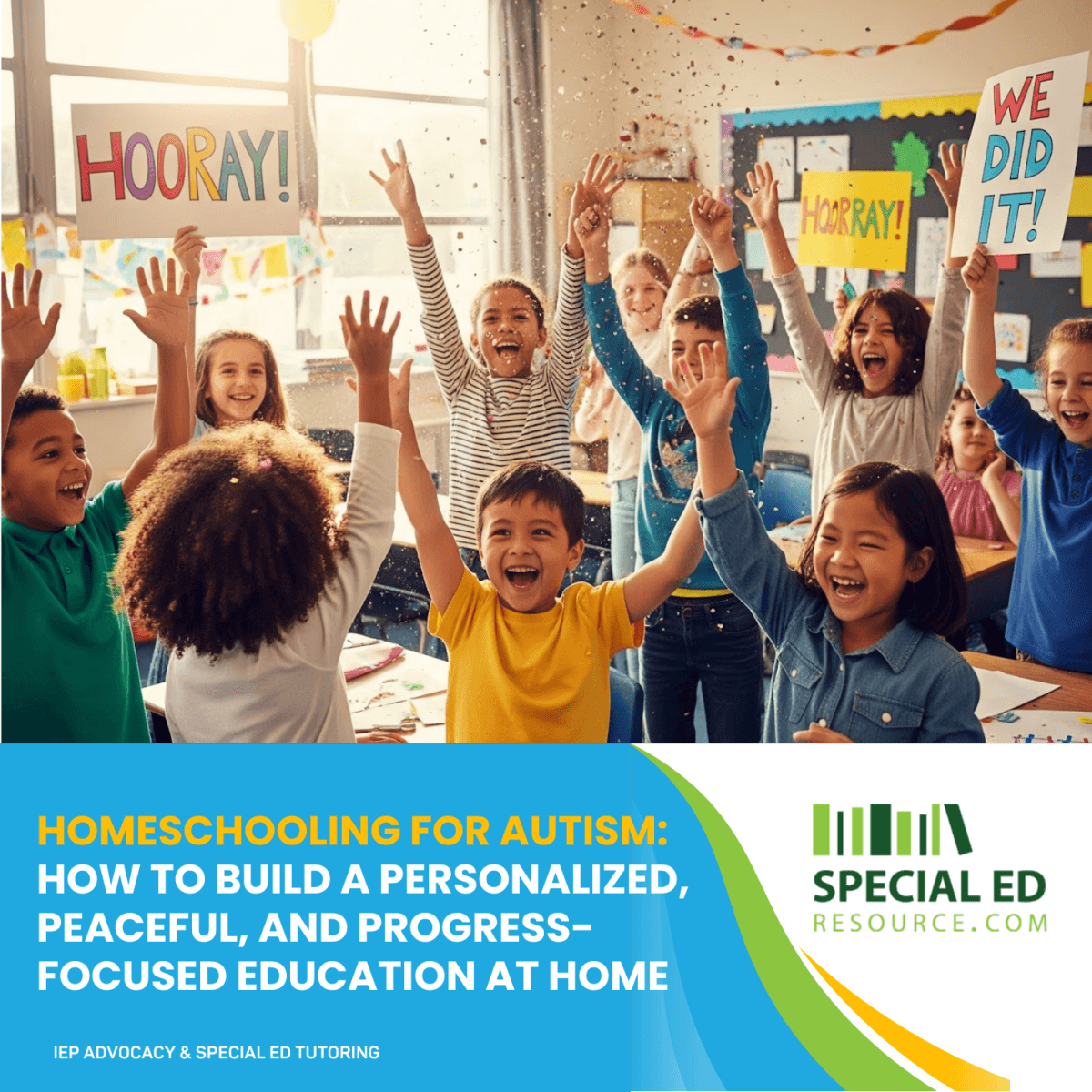
Classroom celebrations should be joyful and inclusive experiences that bring students together, build community, and create positive memories. For parents of children with special needs, however, these events can present significant challenges and concerns about inclusion, sensory triggers, and social participation. With thoughtful preparation and open communication, parents and teachers can transform classroom celebrations into safe, meaningful experiences that reinforce both learning and social growth.
Inclusive celebrations serve as valuable opportunities for students with special needs to practice essential skills often linked to Individualized Education Program goals. These events help students develop abilities in following group routines and transitions, interacting with peers, managing sensory input and emotions, trying new foods or activities, and building confidence in social participation. When handled effectively, classroom parties become more than just social events – they become practical learning environments that support overall development.
Preparation begins with effective communication between parents and teachers. Parents should ask specific questions about the celebration type, planned activities, food offerings, duration, and opportunities for meaningful participation. Understanding these details helps predict sensory experiences, plan for transitions, accommodate dietary needs, and identify roles that can build a child's confidence. These conversations establish collaborative relationships where parents and teachers work together to support inclusion.
Practical preparation includes bringing appropriate items to support a child's comfort and regulation. Noise-canceling headphones can help manage loud environments, while weighted lap pads or fidget toys support sensory regulation. For children with dietary restrictions, bringing alternative treats that match the celebration theme ensures full participation. Visual supports like mini-picture schedules help build predictability, and inclusive gifts such as stickers, mini bubbles, or crayons ensure all children can participate in exchanges.
Child preparation is crucial for successful inclusion. Discussing the celebration in advance using simple, concrete language helps set expectations. Creating social stories with pictures showing the event's flow supports sequencing and emotional readiness. Practicing new skills at home, such as group games or taking turns, familiarizes children with expectations in safe settings. Discussing sensory strategies and celebrating small wins afterward builds resilience for future experiences.
The classroom community plays a vital role in creating inclusive environments. Teachers can implement flexibility through modified schedules or sensory-friendly activities, while parents model understanding and advocacy. When peers learn about differences in ability and communication, empathy grows, transforming celebrations into opportunities for connection rather than comparison. These community efforts create lasting lessons in compassion and kindness that extend beyond individual events.
Classroom celebrations also serve as valuable opportunities to reinforce learning goals. Math skills can be practiced through counting snacks or supplies, while reading comprehension develops through following recipes or instruction cards. Fine motor practice occurs during activities like cutting paper pumpkins or stringing beads, and speech and language skills improve through asking peers questions or sharing stories. Social skills such as waiting in line, sharing materials, or expressing gratitude become practical applications of classroom learning.
For families seeking additional support, professional guidance from organizations like Special Education Resource can help align home strategies with classroom goals. Special education tutoring uses real-world opportunities like classroom celebrations to track and strengthen academic progress while supporting social and emotional development. These comprehensive approaches ensure that celebrations become meaningful experiences that contribute to a child's overall growth and success in educational settings.