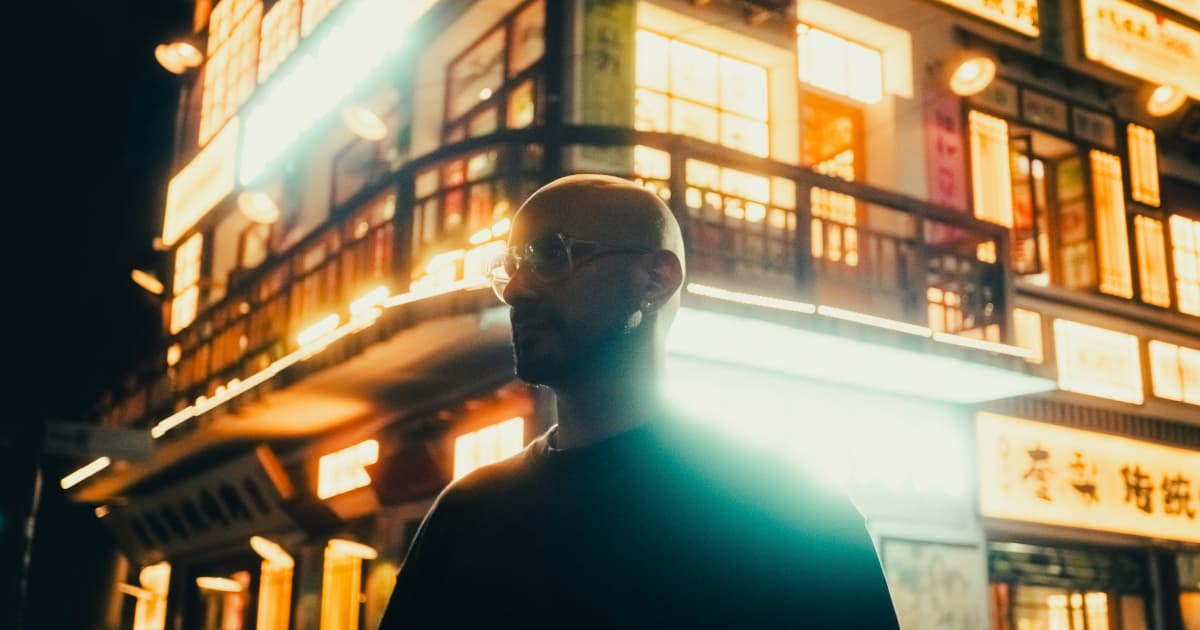
The book 'How to Be a Friend (In an Unfriendly World): Lessons on Connection' by award-winning filmmaker Barnet Bain has been ranked #25 among the 50 Best Self-Help Books of 2025 by Balanced Achievement, an online publication focused on human wellness through spirituality, psychology, and personal development. The publication noted that loneliness represents a defining modern challenge and described Bain's work as a thoughtful response grounded in awareness and compassion.
Drawing from his work at Columbia University's Spirituality Mind Body Institute, Bain reframes friendship as an ongoing practice of reflection, emotional honesty, and intentional engagement rather than a skill to be mastered. The book approaches connection as a way of relating that fosters self-understanding, resilience, and meaning. This perspective arrives during a cultural moment where digital interaction often replaces deeper human bonds, making Bain's emphasis on intentional relationship-building particularly relevant.
The book's recognition extends beyond Balanced Achievement's list. Following its December 9 publication, 'How to Be a Friend (In an Unfriendly World)' reached #1 on Amazon among new releases in interpersonal relations and ranked #32 on Amazon's overall friendship books list. Additionally, BookBub named it one of 10 Books to Help You Keep Your New Year's Resolutions, suggesting its practical applications for personal growth commitments.
Originally developed from a Columbia University master's course Bain created for psychologists, the book emerged from real conversations about how people connect, listen, and maintain kindness during difficult moments. Bain clarifies that the work isn't about fixing people or performing kindness, but rather remembering how to be present with others and oneself when the world feels impatient. The book contains simple ways to connect during overwhelming circumstances, familiar stories about misunderstanding and reconciliation, tools for everyday friendship like listening without fixing, and reflections designed to meet readers where they are rather than offering lofty advice.
Bain's film background includes the Oscar-winning 'What Dreams May Come,' Emmy-nominated 'Homeless to Harvard,' Eckhart Tolle's 'Milton's Secret,' and 'Jesus,' which The New York Times has cited as potentially the most widely seen film in history. His transition from visual storytelling to written guidance on human connection reflects a consistent thematic interest in the human spirit. In a culture increasingly focused on performance and perfection, Bain's message encourages readers to slow down, look inward, and recognize that friendship begins where self-judgment ends. The book's growing recognition suggests its approach resonates with contemporary needs for authentic connection amid social fragmentation.