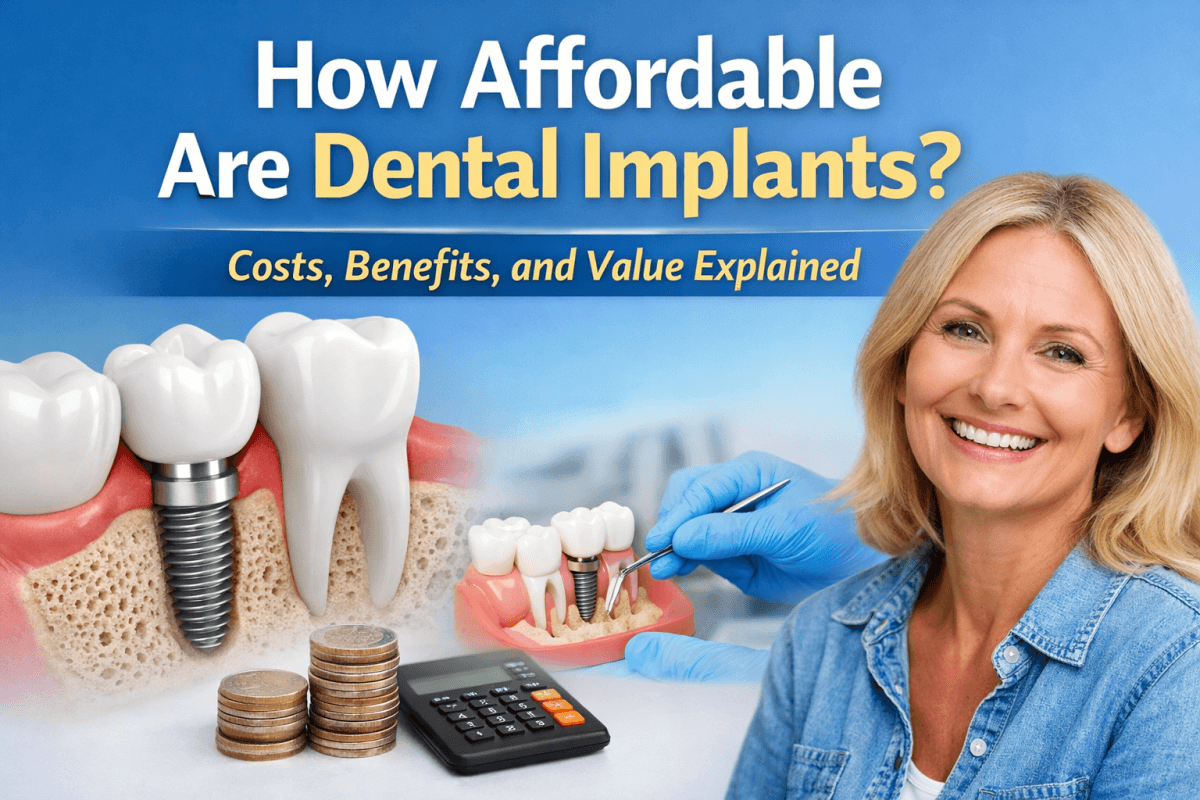
Dental implants represent a significant investment in oral health, often perceived as financially inaccessible despite their functional and aesthetic benefits. The perception that affordability necessitates compromised quality is challenged by strategic approaches that balance cost considerations with clinical excellence. Understanding the components contributing to implant expenses—including advanced imaging, surgical placement, materials, and professional expertise—reveals opportunities for cost management without undermining treatment integrity.
Location significantly influences pricing, with clinics in metropolitan or affluent areas typically commanding higher fees due to operational overhead. Conversely, facilities in suburban regions or smaller communities may offer comparable services at reduced rates. The dentist's experience also affects cost, as seasoned practitioners often charge premium fees that reflect their expertise and lower complication risks, potentially yielding long-term savings by avoiding corrective procedures.
Material selection presents another cost variable. Titanium implants, the most common option, generally offer greater affordability than zirconia alternatives, which are metal-free but more expensive. For budget-conscious patients prioritizing functionality over specific material properties, titanium typically represents the more economical choice.
Proactive comparison shopping emerges as a fundamental strategy for cost reduction. Obtaining multiple consultations and requesting all-inclusive pricing estimates prevents unexpected expenses. Dental schools provide another avenue for savings, offering substantially reduced rates for procedures performed by advanced students under licensed supervision, though treatment timelines may extend longer than private practice alternatives.
Financing mechanisms can transform substantial upfront costs into manageable payments. Many clinics provide in-house payment plans or partner with third-party lenders, while health savings accounts (HSA) and flexible spending accounts (FSA) offer additional financial tools. Dental insurance, though rarely covering implants comprehensively, may partially offset related expenses like extractions, crowns, or imaging studies.
Some patients explore dental tourism, seeking treatment abroad at reduced prices. While this approach can yield significant savings, it introduces considerations including travel expenses, follow-up care coordination, and potential variability in clinical standards. Thorough research into international providers remains essential for those considering this option.
Alternative treatments like modern dentures or dental bridges offer lower initial costs but differ in longevity and functionality. These solutions may serve as interim measures for patients with severe bone loss or immediate budget constraints, though they typically require more frequent replacement than implants.
Transparent communication with providers helps avoid hidden costs. Patients should clarify whether consultations, scans, bone grafts, follow-up visits, medications, and adjustments are included in quoted prices. Evaluating practitioner credentials through verified reviews, success rate inquiries, and before-and-after photo examinations ensures quality alignment with affordability goals.
Realistic pricing expectations acknowledge that truly affordable implants reflect appropriate material quality and professional care rather than suspiciously low figures. Viewing implants as long-term investments rather than mere expenses emphasizes their value in preventing future oral health complications and replacement costs associated with alternative treatments. The website https://dental.dentistinmansfield-denturesdentalimplants.com/mansfield/ provides additional information about dental implant services.
Ultimately, obtaining affordable dental implants involves informed decision-making that weighs clinical quality against financial considerations. Through diligent research, comparative analysis, and strategic financial planning, patients can achieve durable oral rehabilitation without compromising standards or incurring excessive debt, making essential dental care more accessible across diverse economic circumstances.