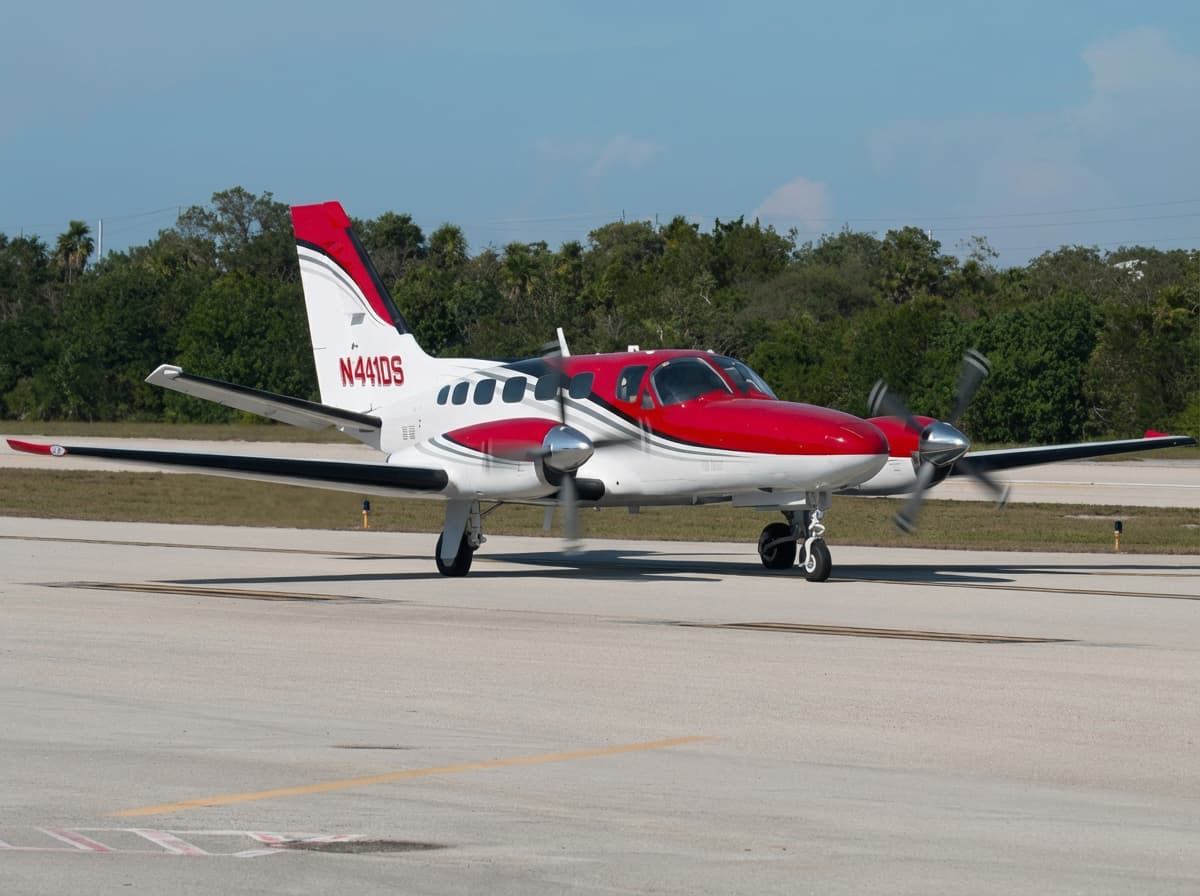
The convergence of significant airport infrastructure investment and premium private aviation services at Marathon International Airport is reshaping the luxury real estate landscape in the Middle Florida Keys, creating what local experts describe as one of North America's most compelling residential propositions for high-net-worth individuals. The airport's transformation from a regional facility to a private aviation gateway is eliminating traditional arrival friction, allowing residents to transition from private jet to waterfront estate in approximately fifteen minutes.
Marathon International Airport completed a $30.1 million runway relocation in October 2025, bringing the facility into full Federal Aviation Administration compliance and enabling accommodation of a wider range of aircraft. This foundational upgrade was followed by premium fixed-base operator Million Air completing a $5 million fuel farm project that brought two 30,000-gallon jet fuel tanks online. Monroe County commissioners have further backed an $11 million initiative to restore commercial air service to the airport for the first time since 2009, with carriers including Delta Airlines and American Airlines under active consideration for routes to Atlanta and Miami respectively.
The presence of Million Air at Marathon International Airport delivers more than just increased fuel capacity. The FBO provides a comprehensive private aviation experience featuring dedicated jet terminals with private lounges, ground transportation coordination, catering, concierge services for customs and immigration, and personalized ground handling that ensures seamless transitions from aircraft to vehicle. This level of service, typically associated with exclusive destinations like Aspen, Palm Beach, or the Hamptons, fundamentally changes the ownership calculus for Keys properties.
This infrastructure investment serves as a leading indicator of market demand that aligns with real estate trends observed over the past twelve to eighteen months. During a recent six-month window, the Middle Keys recorded five property transactions between $12 million and over $20 million, compared to a single sale above $9 million during the equivalent period a year prior. These transactions represent considered, long-term commitments rather than seasonal acquisitions, with buyers increasingly treating the region as a primary base rather than a stopover destination.
The residential enclave near the airport, particularly the Stirrup Key area, has earned the nickname "the Beverly Hills of the Keys" among local real estate insiders. This comparison centers not on spectacle but on access—the rare, nearly effortless kind that most luxury destinations cannot offer. Duck Key, located approximately twenty-five minutes from the airport, benefits from this access while maintaining the privacy and quiet that define its appeal. The proximity enables what Certified Luxury Home Marketing Specialist Margie Casey describes as an unprecedented residential experience: "You can step off your plane and be in your home in fifteen minutes. Where else in the country can you do that? Not Miami—Miami takes three hours in traffic."
The implications extend beyond real estate to broader regional positioning. The Florida Keys have long offered what no other American destination can match: Caribbean-equivalent tropical waters, coral reefs, and lifestyle without requiring a passport. The region's sportfishing environment remains unparalleled, with the Marathon Humps drawing world-class offshore anglers and nearshore flats offering exceptional light-tackle fishing. What the Keys provide that the Caribbean cannot is stability through domestic infrastructure, U.S. property law, and accessibility during international travel disruptions—a consideration that gained significance during the pandemic when owners of Bahamian and Caribbean properties found themselves locked out.
The airport upgrades add a crucial dimension to this proposition, transforming the Keys from simply "the Caribbean you can drive to" into "the Caribbean you can fly directly into" privately and on personal schedules. This development represents more than infrastructure improvement; it signals a fundamental shift in how luxury buyers perceive and access one of America's most distinctive coastal regions. As the infrastructure reaches completion and the neighborhood establishes its identity, the market dynamics suggest this transformation is only beginning to unfold.