

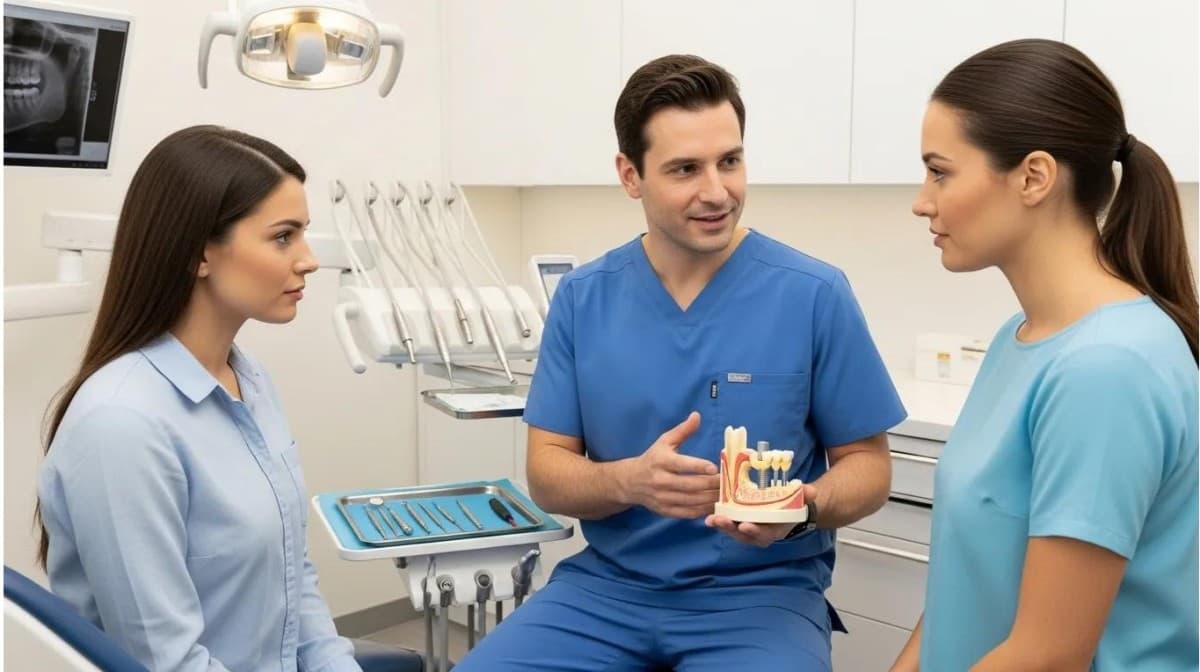
Losing a tooth can affect confidence, chewing ability, and speech, but dental implants offer a reliable, long-term solution. The process involves placing a titanium post into the jawbone, which bonds through osseointegration to act as an artificial root. A custom crown is then attached, creating a natural-looking and functional replacement. Unlike dentures, implants prevent jawbone deterioration and provide stability, allowing patients to eat, speak, and smile without worry. While the upfront cost can be high, their durability—lasting 15–25 years or longer with proper care—makes them a worthwhile investment.
In 2026, a single dental implant typically ranges from $1,000 to $3,500, including the post, abutment, and crown. Additional procedures like bone grafts ($300–$1,500) or sinus lifts ($500–$2,000) may increase costs. Full arch implants can cost $15,000–$30,000. Prices vary by region, with high-cost countries exceeding $4,000 per implant, leading some patients to consider dental tourism. However, factors like clinic reputation, hygiene standards, and follow-up care are critical to ensuring safe treatment.
Key factors influencing implant pricing include the brand and materials used—premium brands often cost more but offer proven quality—and the expertise of the dentist. Clinics in major cities may charge higher fees due to overhead, while those in smaller towns may offer lower prices. Additional procedures, such as bone grafts or sinus lifts, are sometimes necessary to prepare the jaw and are essential for success; skipping them to save money can lead to failure and higher costs later.
To make implants more affordable, the guide recommends several strategies. Choosing mid-range implant brands can reduce expenses without sacrificing reliability. Dental schools and training clinics offer supervised care at lower costs. Traveling to lower-cost areas within the same country can yield savings, provided the clinic meets high standards. Some clinics offer package deals that bundle consultation, imaging, surgery, and restoration for better value. Financing options, including installment plans and dental loans, help spread costs over time, and insurance plans may offer partial coverage.
Comparing implants to alternatives highlights their advantages. Dentures are cheaper upfront but require frequent adjustments and adhesives, while bridges involve altering adjacent teeth. Implants preserve natural dental structure and provide superior comfort and stability. However, the guide warns against extremely cheap implants, which may use low-quality materials or inexperienced providers, increasing the risk of complications and costly corrections.
The step-by-step process begins with a consultation and imaging to develop a personalized treatment plan. Surgery places the implant, followed by a healing period for osseointegration, after which the final restoration is attached. To save money without compromising quality, patients should compare multiple providers, request detailed quotes, and prioritize experienced professionals. Maintaining good oral hygiene and regular check-ups extends implant lifespan and reduces repair costs.
For those in Denton, Texas, Affordable Dentist Near me of Denton provides services at 3969 Teasley Ln, Denton, TX 76210. By exploring options like mid-range brands, dental schools, or financing, patients can achieve a healthy smile without overspending.
