

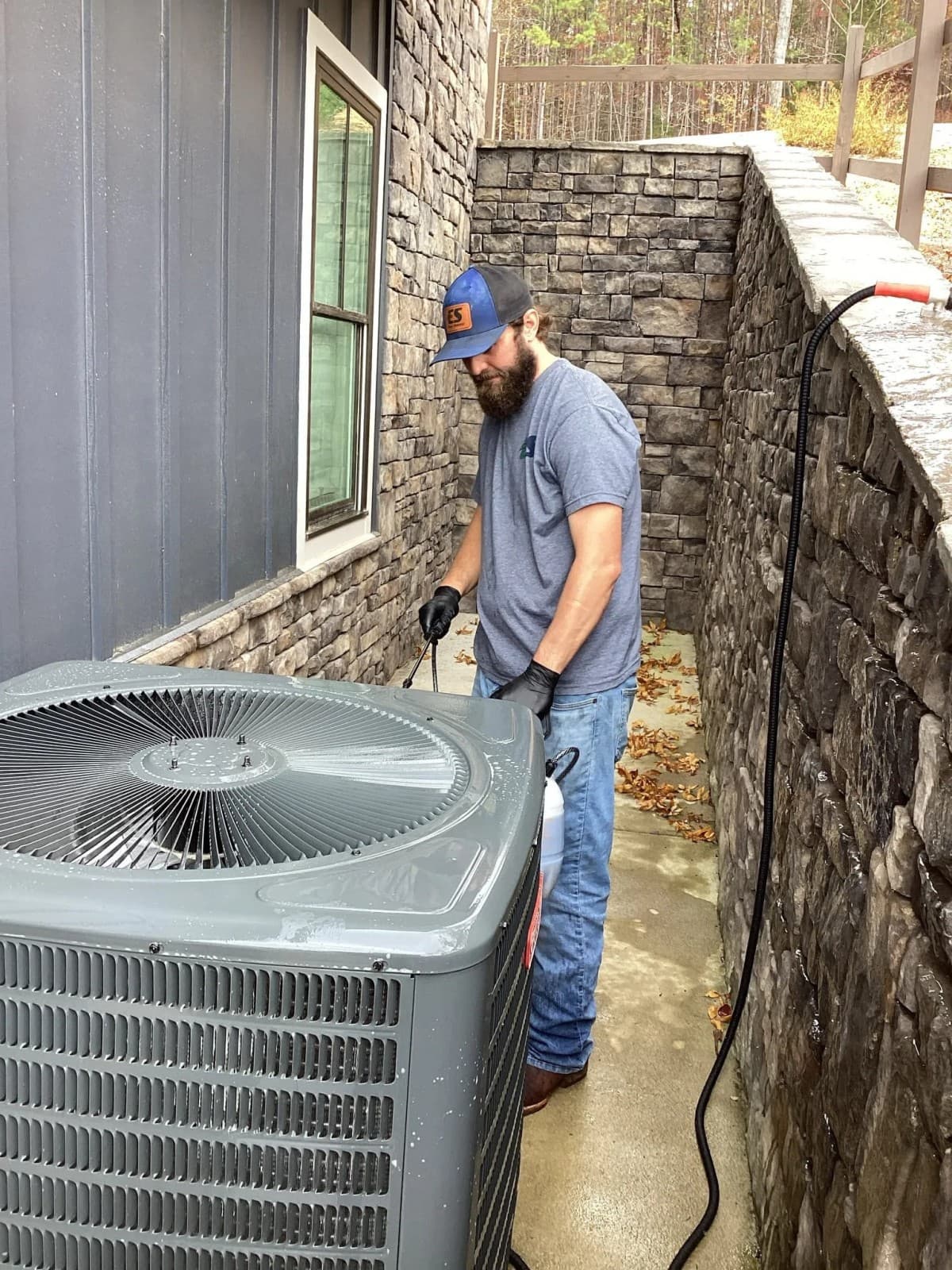
As summer approaches, Alabama homeowners face the annual challenge of keeping their air conditioning systems running efficiently. A new guide from engleservicesheatingandair.com, a family-owned HVAC contractor serving Central Alabama since 2001, provides practical advice on when to repair or replace an A/C system. The guide arrives ahead of the cooling season, when HVAC systems face peak demand and breakdowns are most likely.
One of the key factors homeowners should consider is the age of their unit. Most central air conditioners last between 10 and 15 years. Once a system exceeds that range, even a successful repair may only delay a necessary replacement. Older units often use refrigerants being phased out under federal regulations, which can increase service costs. The guide advises that homeowners with units older than 12 years should view major breakdowns as a signal to evaluate replacement, especially if multiple repairs have been needed in a single season.
To help with financial decisions, the guide references the industry "5,000 rule": multiply the age of the unit by the estimated repair cost. If the result exceeds $5,000, replacement is generally the smarter choice. For example, a 10-year-old system with an $800 repair yields a score of $8,000. "We tell homeowners that if a repair costs more than half the price of a new system, it almost never makes financial sense to move forward with the fix," said David Engle, Owner of engleservicesheatingandair.com. "We have been helping Central Alabama families with these decisions since 2001, and the math rarely changes." Beyond cost, a pattern of recurring repairs signals declining reliability.
Energy efficiency is another critical consideration. Modern systems typically have Seasonal Energy Efficiency Ratio (SEER) ratings of 16 or higher, compared to many older units with ratings below 10. In Central Alabama, where summer temperatures regularly climb into the mid-90s, the difference in monthly utility costs can be significant. A new A/C installation often recovers part of its cost through reduced energy bills in the first few years.
For homeowners already considering replacement, heat pump installation offers a practical alternative. Unlike traditional air conditioners, a heat pump handles both cooling and heating, potentially eliminating the need for a separate furnace. This dual functionality can reduce equipment and maintenance costs. Heat pumps perform well in Alabama's mild winters, and federal tax incentives can offset some upfront costs.
The guide encourages homeowners to request a full system evaluation before deciding. A qualified technician can assess duct condition, insulation, and system sizing, which affect performance regardless of whether the homeowner chooses repair or replacement.
