

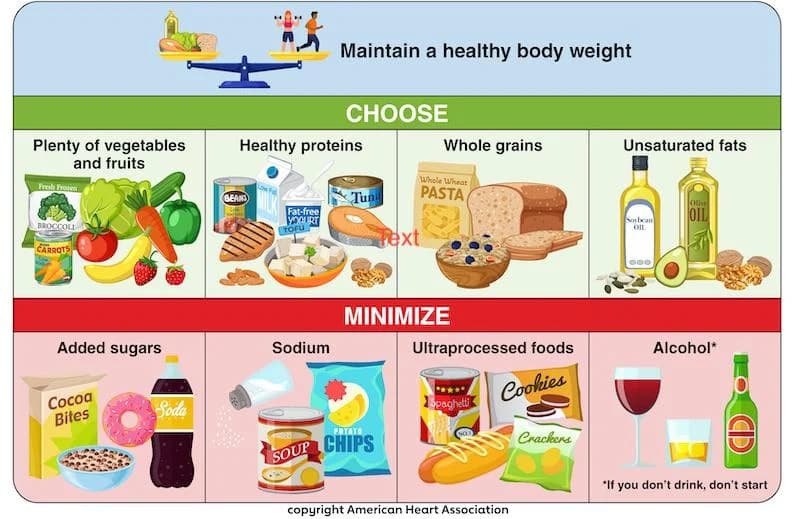
The American Heart Association (AHA) has released updated dietary guidance for 2026, outlining nine heart-healthy steps designed to improve cardiovascular health through sustainable eating patterns. According to the AHA, poor diet quality remains one of the leading contributors to cardiovascular disease and related health risks, with more than half of adults and about 60% of children in the United States having unhealthy diets. These eating patterns can contribute to high blood pressure, obesity, and other chronic health conditions.
The updated guidance focuses on an overall healthy eating pattern rather than counting individual nutrients, aiming to make heart-healthy choices easier, more practical, and sustainable throughout life. The nine steps include: maintaining a healthy balance between food and activity; eating more vegetables and fruits; choosing whole grains more often; prioritizing healthy protein sources such as beans, lentils, peas, nuts, seeds, and fish; replacing saturated fats with unsaturated fats from nuts, seeds, avocados, and nontropical plant oils; choosing minimally processed foods; limiting added sugars; reducing sodium intake; and being mindful about alcohol consumption.
One of the key messages from the updated guidance is that healthy eating does not require perfection. Small, sustainable improvements can make a meaningful difference over time. The AHA encourages people to focus on their overall eating pattern and make gradual improvements, noting that every healthier choice adds up.
The guidance also highlights the importance of starting healthy habits early. Healthy eating patterns benefit people at every stage of life, and the AHA recommends establishing healthy dietary habits early because they can influence long-term cardiovascular health. Children should begin following a heart-healthy eating pattern at age one. Families play a critical role, as when adults consistently make healthy food choices, children are more likely to develop similar habits that can last into adulthood.
Creating a healthy home environment can help reduce reliance on highly processed foods while encouraging lifelong wellness. The AHA emphasizes that progress matters more than perfection, and by incorporating more fruits, vegetables, whole grains, plant-based proteins, and minimally processed foods into daily routines, individuals can take meaningful steps toward better heart health.
For additional heart-healthy eating resources and practical guidance, visit www.heart.org/healthydiet.
