

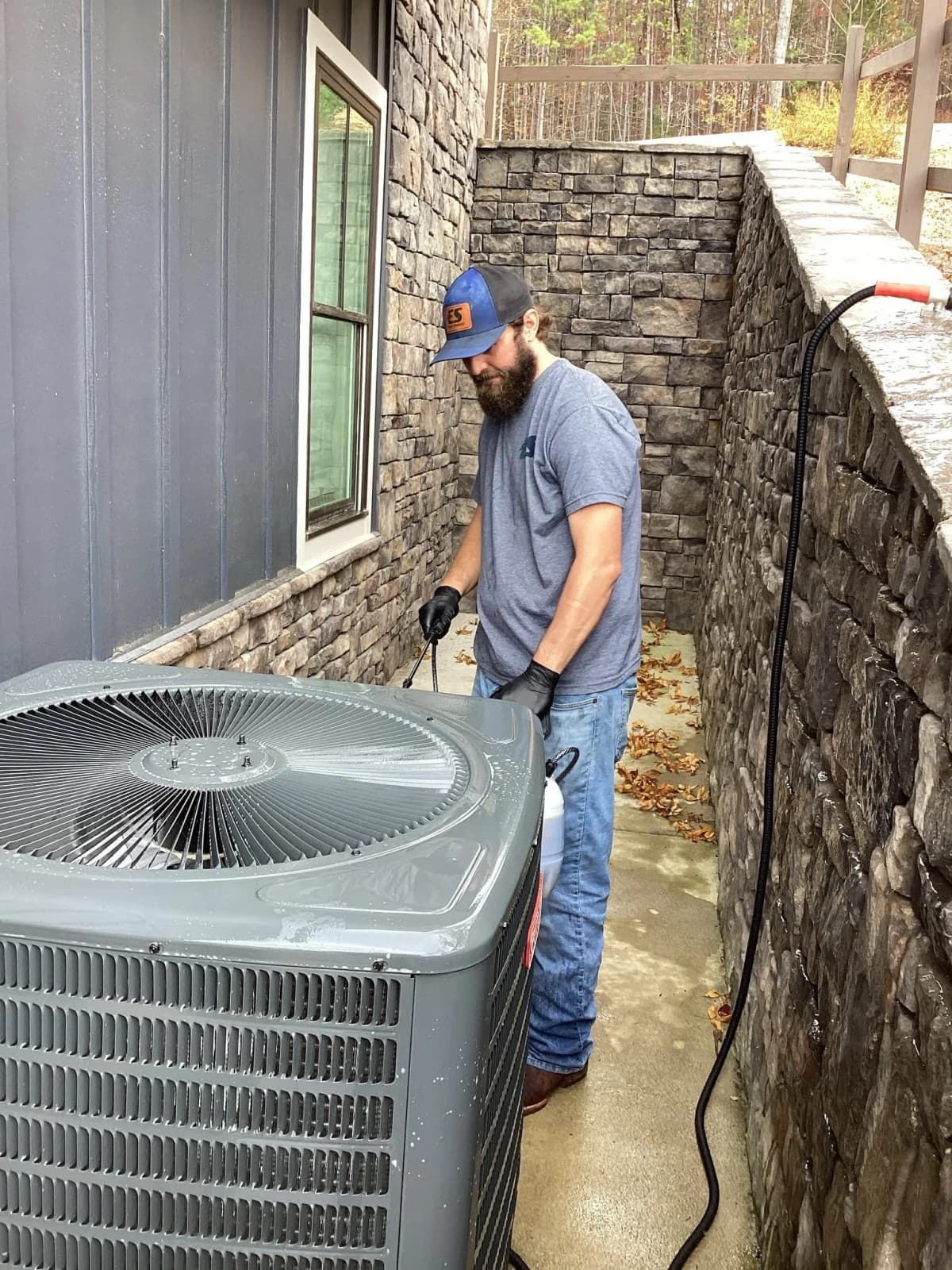
As summer temperatures in Birmingham regularly climb into the upper 90s, Engle Services LLC has released a homeowner guidance resource aimed at helping Central Alabama residents navigate cooling system selection, energy efficiency standards, and professional service thresholds. The guide, published on engleservicesheatingandair.com, addresses a gap in accessible, plain-language information for homeowners facing decisions about A/C installation, system upgrades, and ongoing maintenance.
Central Alabama homeowners have several cooling system types to consider, each suited to different home layouts, budgets, and energy goals. Central air conditioning remains the most common choice for existing homes with ductwork already in place, circulating cooled air through a network of ducts and generally compatible with existing furnace and air handler equipment. For homeowners without ductwork, or those adding cooling to a room addition or detached space, ductless mini-split systems offer a flexible alternative, mounting directly to walls with minimal installation disruption.
Heat pump installation has grown in popularity across Alabama due to the region's mild winters. Unlike traditional air conditioners, heat pumps move heat rather than generate it, providing both heating and cooling from a single unit. In climates where winter temperatures rarely drop below freezing for extended periods—as is typical in Central Alabama—a heat pump can handle year-round comfort without a separate furnace in many cases.
Regardless of system type, routine maintenance directly affects performance and lifespan. The guidance highlights several tasks homeowners can manage on their own, such as replacing air filters every 30 to 90 days, keeping the outdoor condenser unit clear of debris, and checking refrigerant line insulation for wear. However, any task involving refrigerant, electrical components, or internal system diagnostics should be left to a licensed technician.
Understanding SEER ratings is crucial for energy efficiency. As of January 2023, the U.S. Department of Energy raised minimum SEER requirements for new residential systems in the Southeast to 15 SEER2, a regional standard that applies to Alabama. Higher SEER ratings translate to lower operating costs over time, though higher-rated units typically carry a greater upfront purchase price. The guidance recommends comparing estimated annual energy savings against cost differences and consulting a qualified HVAC technician to calculate payback periods based on local utility rates and a home's specific cooling load.
The resource outlines clear indicators that professional service is warranted, including unusual noises, refrigerant leaks, ice buildup on the indoor coil, and a system that runs continuously without reaching the set temperature. When a system is more than 10 to 15 years old, requires frequent repairs, or uses the now-phased-out R-22 refrigerant, replacement is often the more cost-effective path. In those cases, a new A/C installation may deliver better long-term value than continued investment in an aging unit. Engle Services recommends scheduling a professional assessment before the summer season begins to avoid service delays during peak demand months.
