

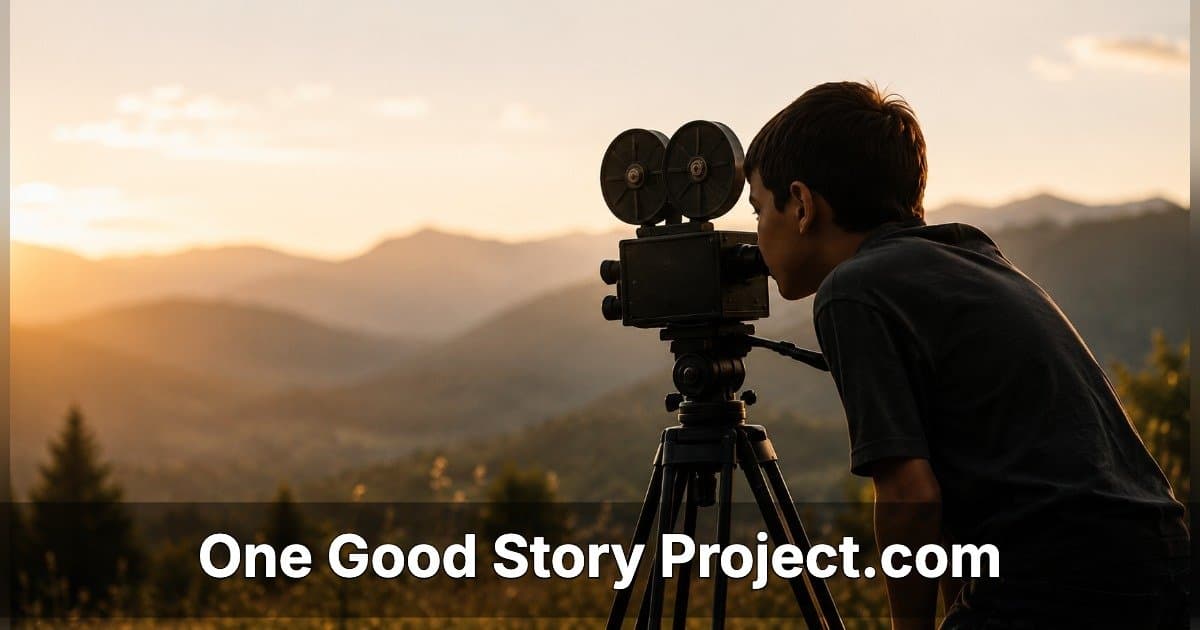
Amid a media landscape often dominated by negative headlines, a new initiative seeks to shift the focus toward constructive narratives. One Good Story Project, a documentary platform now live at onegoodstoryproject.com, offers free short films about real people, ideas, and organizations making a positive difference. The project pairs each film with a curated library of books, documentaries, podcasts, and organizations, allowing viewers to explore topics further.
The platform is built on a simple premise: while much of the news can leave audiences feeling disheartened, there is more good happening globally than often reported. One Good Story Project aims to serve as a counterweight, telling true stories of positive change and making them accessible to all. The films are free to watch, with no paywall or subscription required, and are organized under six thematic areas: Community, Education, Environment, Health & Wellbeing, Social Innovation, and Justice & Reconciliation.
“There’s more good happening in the world than the headlines let on. I wanted to build one place to find those stories, watch them for free, and pass them on,” said Rob Burns, founder of One Good Story Project. “If a film sticks with you, share it with someone who could use a bit of good news. That’s how these stories travel.”
The free-access model is intentional. The project is funded by supporters who wish to help bring more of these stories to life and keep them open to everyone. New films and content will be added over time, and viewers can sign up on the site to receive updates when new releases go live.
The impact of this launch extends beyond entertainment. By offering free, easily accessible documentaries and pairing them with actionable resources, One Good Story Project provides a pathway for viewers to move from passive consumption to active engagement. For example, a film about community-led environmental restoration might connect viewers to relevant organizations and books, empowering them to contribute to similar efforts. In an era where information overload can lead to apathy, this platform aims to transform inspiration into tangible next steps.
The curated libraries are hand-picked to ensure quality and relevance, covering a range of topics that align with each film’s theme. This approach not only enriches the viewing experience but also serves as an educational tool, fostering deeper understanding of social and environmental issues. By categorizing stories and resources, the project makes it easier for individuals, educators, and community groups to find content that resonates with their interests or needs.
For the nonprofit and documentary sectors, One Good Story Project represents a model of sustainable storytelling that prioritizes public access over profit. It challenges the conventional distribution methods that often limit documentary reach, suggesting that free content can still be high-quality and impactful. Moreover, by relying on supporter funding, the project demonstrates a viable alternative for financing positive media.
As the platform grows, it has the potential to become a go-to resource for those seeking uplifting yet substantive content. In a world where mental well-being is increasingly linked to media consumption, One Good Story Project offers a reprieve and a call to action. It reminds us that good news is not just a luxury but a necessity for a balanced perspective.
