

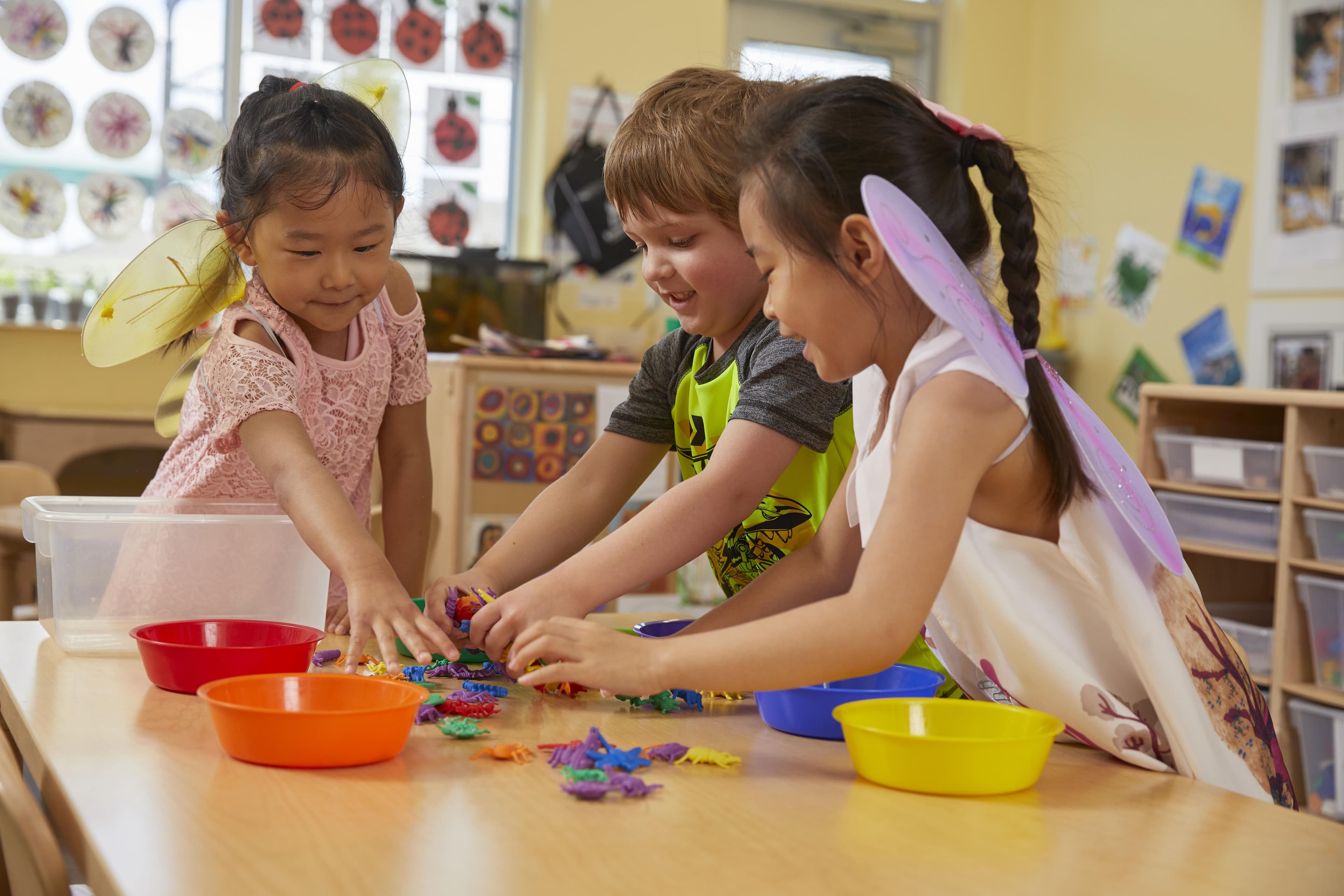
As parents consider pre-K programs, experts highlight that kindergarten readiness involves more than knowing letters and numbers. According to a recent announcement from KinderCare Learning Companies, social-emotional and executive function skills—such as sharing, taking turns, resolving conflicts, and fostering independence—are equally vital for a child's transition to elementary school.
Dr. Lisa Grant, vice president of KinderCare Learning Companies' Education Programs, noted, "One of the biggest surprises for parents is that being ready for kindergarten isn't just about what children know. It's about how they learn." She explained that while a child might recite the alphabet, they also need to join a group, follow directions, handle setbacks, and navigate disagreements with classmates. These everyday skills enable children to feel confident and fully engage in classroom learning.
In high-quality pre-K settings, educators intentionally create opportunities for children to practice these skills alongside early academics. Through guided play, structured routines, and collaborative activities, children learn to navigate the social and academic demands of kindergarten. The benefits extend beyond the classroom, as these foundational skills support lifelong learning and interpersonal relationships.
Key skills highlighted include sharing, which helps children understand that giving doesn't mean losing. Dr. Grant explained, "To a four-year-old an object shared is a thing that's given away, never to return. We have to help them understand the value of sharing, of helping others, so when they get to elementary school they're prepared for the collective ownership of things like classroom crayons or books from the school library."
Turn-taking is another essential skill, whether raising a hand to speak or waiting for a turn on the swings. This self-control prevents classroom chaos, ensuring a conducive learning environment for all. Conflict resolution teaches children to calm themselves and think creatively to find solutions that work for everyone, a skill that Dr. Grant notes "leads to problem-solving, which is a skill that can be applied to so much more than figuring out who gets to play with a toy."
Independence, such as managing personal belongings or following multi-step directions, helps children transition smoothly to kindergarten. These experiences build confidence and self-reliance before they enter elementary school.
The implications for parents are clear: when choosing a pre-K program, looking beyond academics is crucial. Kindergarten readiness develops when social-emotional, executive function, and academic skills are nurtured together. What may seem like basic manners are actually the building blocks for collaboration, self-regulation, flexibility, and problem-solving, which benefit children throughout their educational journey.
Families seeking more information about these pre-K programs can visit KinderCare.com.
