

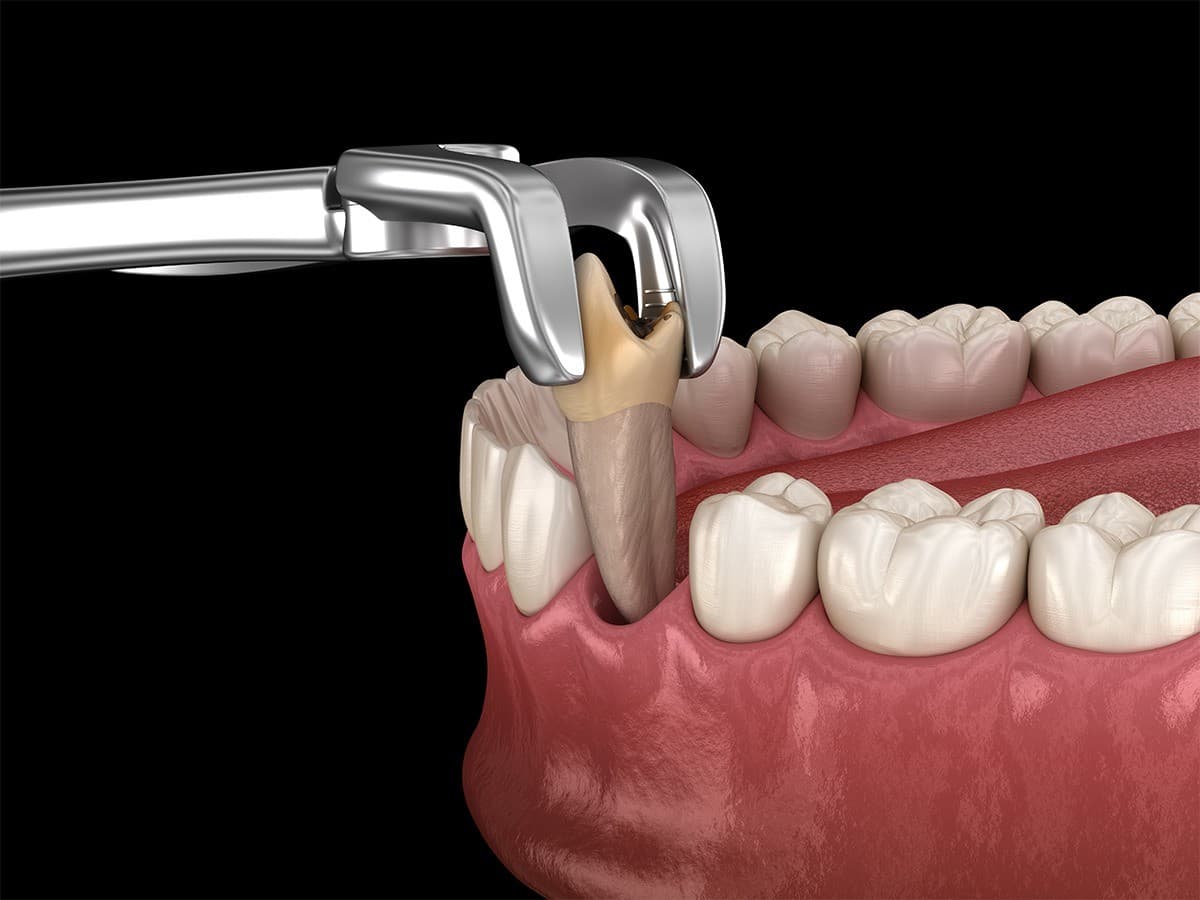
Siouxland Oral & Maxillofacial Surgery, a surgical practice serving Sioux Falls and the surrounding region, has published a patient education resource covering five key facts about tooth extraction procedures. The practice notes that a consistent number of patients arrive for consultations with limited understanding of what the procedure entails, contributing to unnecessary anxiety and, in some cases, postponed treatment. The resource aims to address that gap with clear, clinically grounded information.
The guide first explains when a tooth extraction becomes necessary. Severe decay that has compromised too much of the tooth structure for a crown or filling to be effective is among the most frequently cited reasons. Crowding ahead of orthodontic treatment may also call for the strategic removal of one or more teeth to support proper alignment. Wisdom teeth fall into a distinct and common category, with many patients between the ages of 17 and 25 presenting with partially erupted or impacted wisdom teeth that generate pressure, elevate infection risk, or cause damage to adjacent teeth. In those situations, extraction is generally recommended before existing complications progress.
Pain is among the most frequently raised concerns from patients considering the procedure. Siouxland Oral & Maxillofacial Surgery uses local anesthesia as the standard baseline for all extractions, ensuring the treatment area is fully numbed prior to any instrument contact. For patients managing significant anxiety or undergoing more involved removals, sedation options are available and reviewed during the pre-procedure consultation. "We see patients every week who delay necessary treatment because they are afraid of pain, but the reality is that modern anesthesia protocols make most extractions far more manageable than patients expect," said Dr. [Lead Surgeon Name], Oral & Maxillofacial Surgeon at Siouxland Oral & Maxillofacial Surgery. "Our team takes time before every procedure to walk through comfort options so patients feel informed and in control." Some degree of pressure during the procedure is normal, but sharp pain is not. Patients are encouraged to communicate with the surgical team throughout the appointment if their comfort level changes.
Recovery from a Sioux Falls tooth extraction tends to follow a predictable timeline when post-operative instructions are observed carefully. The first 24 hours are considered the most critical. Patients should bite down firmly on gauze for 30 to 45 minutes immediately following the procedure to support blood clot formation, refrain from spitting, rinsing aggressively, or using straws during the first 24 hours, apply ice packs in 20-minute intervals to help manage swelling, rest and reduce physical activity for the remainder of the day, and consume only soft foods such as yogurt, mashed potatoes, or soup. Days two through five typically bring gradual improvement in both swelling and discomfort. Prescribed or over-the-counter pain medications should be taken according to provided instructions. Gentle saltwater rinses may begin after the initial 24-hour period to help keep the area clean without disturbing the clot.
Dry socket is one of the more frequently seen post-extraction complications. It occurs when the blood clot that forms in the socket is displaced or dissolves before the surrounding tissue has fully healed. It affects an estimated 2 to 5 percent of standard extractions and a higher proportion of lower wisdom tooth removals. Symptoms include a sharp, radiating pain that emerges two to four days after the procedure, often accompanied by a visibly empty socket and an unpleasant taste or odor. Smoking, straw use, and forceful rinsing are among the most common contributing factors. Patients who adhere closely to post-operative instructions substantially reduce their risk. If dry socket does develop, the practice advises contacting the office without delay rather than waiting, as treatment is direct and typically provides prompt relief.
Working with an oral and maxillofacial surgery practice that has established familiarity with the regional patient population allows for more individualized treatment planning. Siouxland Oral & Maxillofacial Surgery concentrates exclusively on surgical procedures involving the mouth, jaw, and face. As a result, the clinical team performs extractions—including complex impacted cases—as a primary focus rather than a supplementary service. Patients referred for a Sioux Falls tooth extraction by a general dentist can expect coordinated communication between both offices, supporting continuity of care and a complete treatment record from initial diagnosis through post-surgical follow-up. More information is available at Siouxland Oral & Maxillofacial Surgery.
