

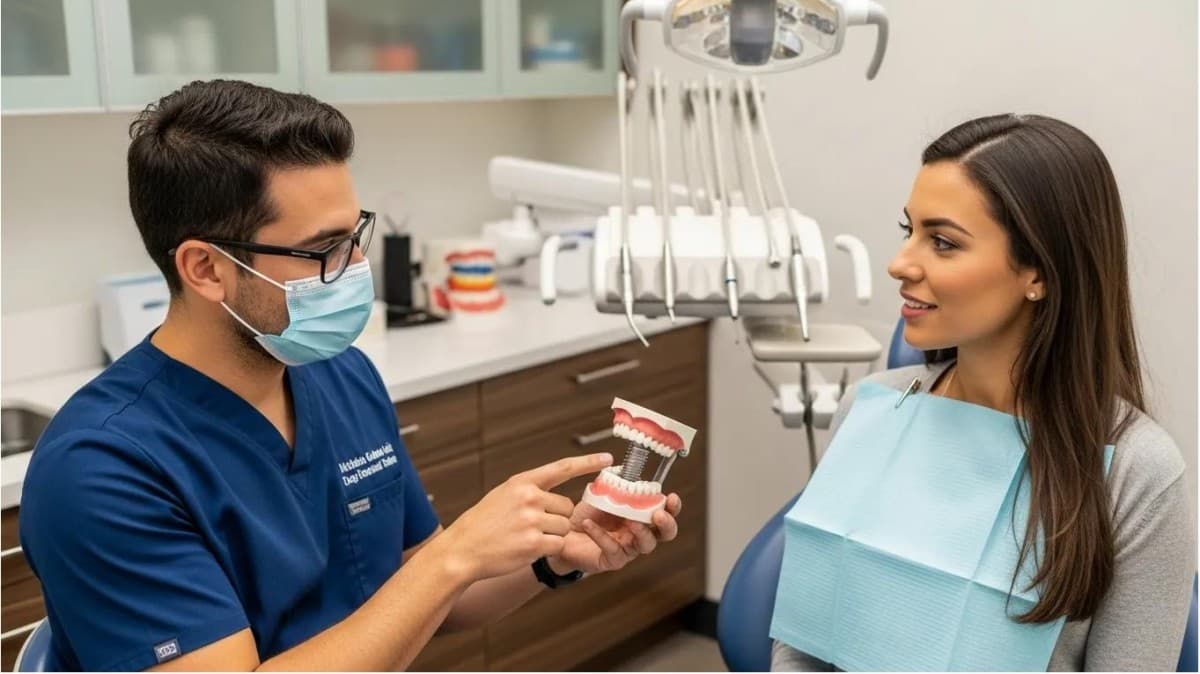
Missing teeth can affect confidence, communication, and eating habits, but dental implants have become a trusted long-term solution. However, the high cost often deters patients. Recent reports in 2026 show that a single dental implant in the United States costs between $3,000 and $6,000, while full-mouth procedures can range from $25,000 to over $90,000. Despite these figures, affordable options exist through careful planning and research.
Dental implants are surgically placed into the jawbone, providing a stable foundation for replacement teeth that can last 20 years or more. The process involves advanced materials like titanium or zirconia, digital imaging, and specialized surgical expertise, all contributing to the expense. Additional procedures such as bone grafts or sinus lifts can further increase costs.
To find affordable implants, patients are advised to compare multiple dental clinics, as prices can vary dramatically even within the same city. Requesting detailed treatment estimates helps avoid hidden fees. Dental schools offer another cost-effective route, with savings of 30% to 60% as students perform procedures under experienced supervision. Dental tourism, while popular in countries like Mexico and Thailand, requires careful research to ensure quality and follow-up care.
Financing options also make implants more accessible. Many clinics offer monthly payment plans or interest-free financing for qualified patients. Healthcare credit programs such as CareCredit are commonly used for dental procedures. Patients should review interest rates and terms to avoid long-term financial strain. Insurance coverage for implants has improved, but many plans still cover only part of the cost, so verifying benefits beforehand is crucial.
Caution is necessary when encountering extremely low prices, as they may indicate poor-quality materials or inexperienced providers. Red flags include hidden fees, aggressive sales tactics, and lack of follow-up care. Patients should ask dentists about included services, experience, materials used, and complication management.
Alternatives to implants include dentures and dental bridges, which are often cheaper upfront but may require adjustments and replacements over time. Implants, however, preserve jawbone health and provide superior comfort and stability, making them a worthwhile long-term investment.
The key takeaway is that affordable dental implants are achievable by focusing on long-term value rather than the cheapest option. With the right strategy, patients can restore their smile and improve quality of life without compromising on quality.
