

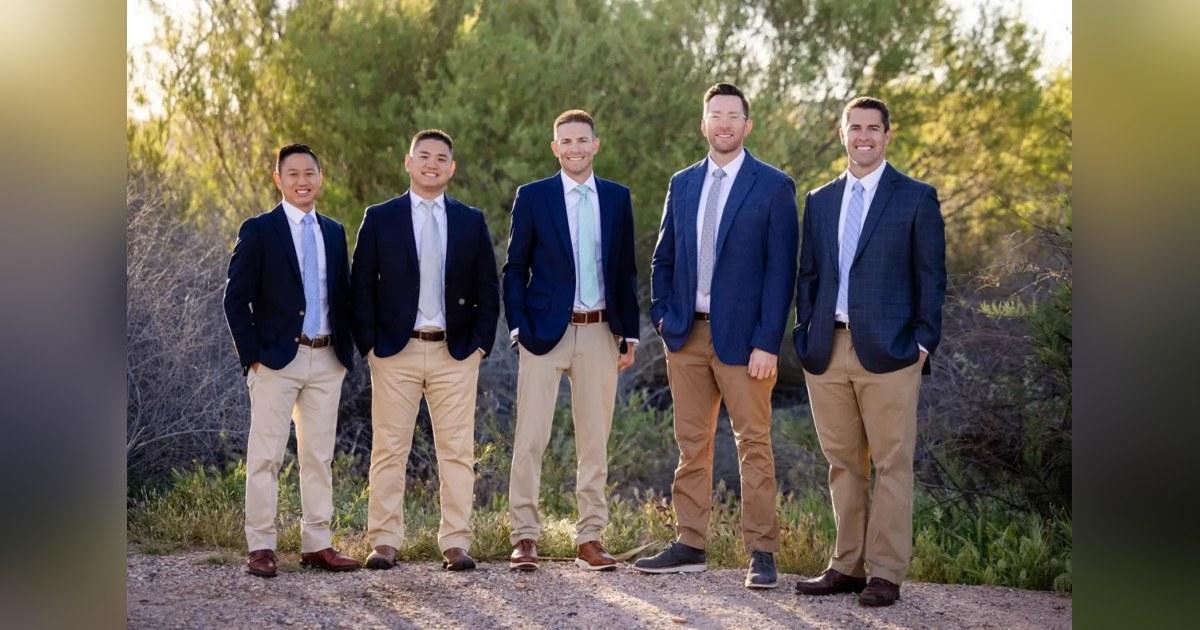
Southwest Oral Surgical Arts, an oral and maxillofacial surgery practice with offices in St. George and Cedar City, Utah, has outlined the clinical pathway for managing temporomandibular joint (TMJ) disorders, from early symptom recognition through conservative care and, when necessary, surgical evaluation. The announcement provides a structured framework for patients and referring clinicians navigating a condition that affects the joints, muscles, and connective tissues connecting the lower jaw to the skull.
Common TMJ symptoms include jaw pain or tenderness, clicking or popping sounds when opening and closing the mouth, difficulty chewing, facial aching, and limited range of jaw motion. Some patients also experience earaches, headaches, or a sensation that the upper and lower teeth no longer fit together properly, a condition known as a change in dental occlusion. Because these symptoms can overlap with other conditions, the practice emphasizes that accurate diagnosis is a key first step and that patients with jaw discomfort, persistent facial pain, or unexplained headaches should seek a thorough clinical evaluation before assuming the cause or pursuing treatment on their own.
For the majority of patients, treatment begins with nonsurgical, conservative approaches designed to reduce inflammation, relieve muscle tension, and restore function without intervention in the joint itself. These options commonly include oral splints or night guards to reposition the jaw and reduce clenching forces during sleep, anti-inflammatory medications to manage acute pain and swelling, physical therapy exercises targeting the jaw muscles and surrounding structures, dietary modifications such as temporarily avoiding hard or chewy foods, and behavioral adjustments including stress reduction techniques and awareness of habits like teeth grinding. In many cases, a structured combination of these measures produces meaningful improvement over weeks to months, and surgery is not required.
When conservative measures have been thoroughly explored without adequate relief, referral or self-referral to an oral surgeon for surgical evaluation becomes a reasonable next step. Southwest Oral Surgical Arts notes that the decision to consider surgery is not made lightly and follows a documented history of nonsurgical treatment. Surgical evaluation may be appropriate when structural abnormalities within the joint, such as a displaced disc, degenerative joint disease, or significant arthritic changes, are identified through imaging studies including MRI or CT scans. Procedures used in TMJ surgery in St. George range from minimally invasive arthrocentesis, which involves irrigating the joint space, to arthroscopy, which allows direct visualization and treatment of joint tissue through small incisions. Open joint procedures are reserved for more complex structural problems and are the least frequently performed category of intervention.
The goal of surgical care, when indicated, is to restore joint function, reduce pain, and improve the patient's ability to perform daily activities such as speaking, chewing, and opening the mouth fully. Oral and maxillofacial surgeons typically become involved after patients have worked with general dentists, primary care physicians, or physical therapists, making coordinated care a central part of the continuum. Southwest Oral Surgical Arts serves patients in St. George and the surrounding region, including Cedar City, providing surgical consultation and treatment for complex jaw, oral, and facial conditions. The practice maintains a St. George office at 1308 E 900 S A, St. George, UT 84790, and a second location in Cedar City to serve patients across southern Utah.
The guidance matters because TMJ disorders are often managed across multiple providers, and a clear pathway helps patients understand when conservative care is appropriate and when specialist evaluation is warranted. Visual resources accompanying the announcement include a clinical image illustrating the practice's educational outreach.
