

Nearly every residential property in the Florida Keys falls within a FEMA-mapped flood zone, making the designation a near-universal feature of listings. However, according to Sandy Tuttle, founder of Island Welcome Real Estate on Summerland Key, the presence of a flood zone on a listing tells buyers little on its own. The key is understanding which specific zone applies and what that implies about flood exposure and insurance costs.
Tuttle, who has lived in the Keys since 1997 and worked in real estate for about 20 years, routinely guides buyers through the distinctions early in their search. Misreading these designations often leads people to unnecessarily rule out properties, she notes.
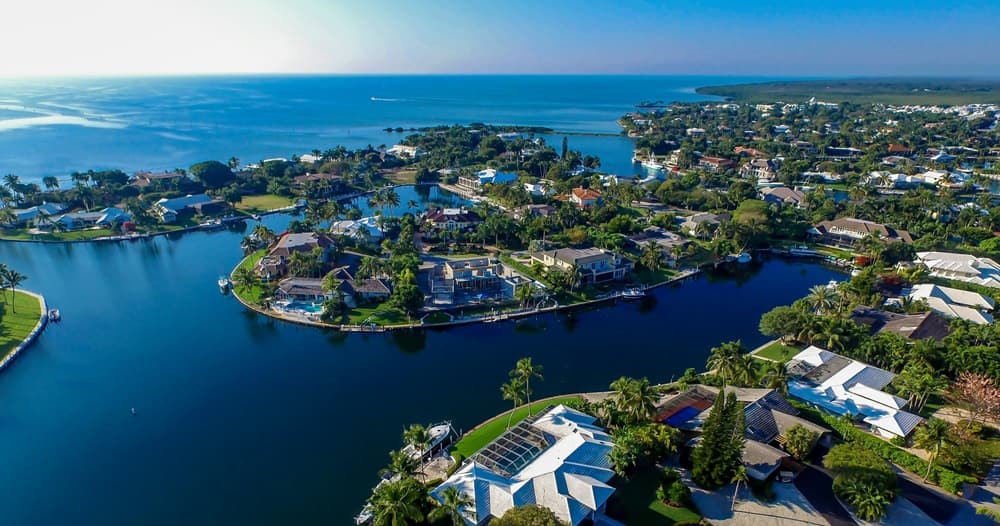
The Florida Keys generally fall into three flood zone classifications. The X zone covers the highest elevation points on each island, carrying the lowest flood risk and the most reasonable insurance premiums. The AE zone applies to properties set back from direct water exposure, typically inland or shielded by other structures. Most canal homes and interior properties in the Lower Keys fall into this category. The VE zone represents the highest exposure, reserved for front-row properties with direct open water frontage. These homes offer unobstructed views but are the first to face storm impacts.
One of the most common misconceptions Tuttle encounters is the belief that properties in certain zones cannot be insured at all. “Almost every property in the Florida Keys has the availability of an insurance product,” she said. The real variable is cost and coverage structure, not availability. Buyers who eliminate properties based on the assumption that a flood zone makes them uninsurable are narrowing their search on a false premise.
Financing plays a significant role in how flood zone considerations affect a purchase. For financed purchases, buyers must carry a complete insurance package, including homeowners, wind, and flood coverage, with no discretion. Cash buyers, however, have more flexibility. They can weigh premium costs against coverage value and decide what level of exposure they are comfortable with, including partial self-insurance on certain components. Tuttle emphasizes that this decision should be made deliberately, not discovered after closing.
Flood zone interacts with other factors that determine insurance pricing in the Keys, which is assessed property by property rather than by neighborhood. Replacement cost, elevation above base flood, roof type and attachment, and impact-rated windows and doors all influence premiums. Two homes on the same canal in the same zone can have significantly different insurance costs.
Tuttle’s process involves pulling the current owner’s premium as a starting reference, then obtaining fresh quotes based on the buyer’s intended use of the property. This figure becomes part of the offer analysis, rather than a post-contract surprise, and often influences which of two comparable properties a buyer chooses.
As older housing stock is replaced with construction built to current code, the premium gap between compliant and non-compliant properties within the same flood zone is widening, a trend that is beginning to show up in resale prices across the Lower Keys. For buyers, understanding these nuances can make the difference between finding a suitable property and missing out on one.
