

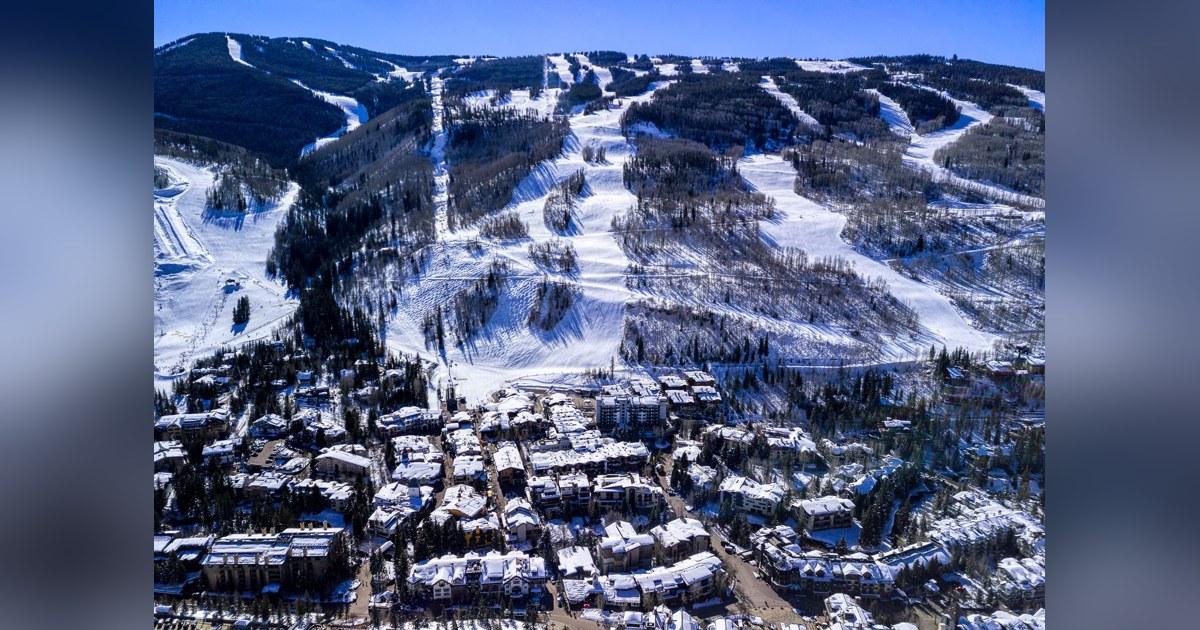
Buying a luxury home in Vail, Colorado, once required out-of-town purchasers to spend significant time in the mountain resort. Today, remote video previews, specialized lending for foreign nationals, and separate virtual signings allow buyers from Dallas, New York, or Mexico City to complete a purchase largely from home, according to Mark Gordon, broker/owner of Christiania Realty in Vail.
Gordon, who has worked in Vail real estate since 2008, said the shift has changed how buyers first make contact. Many now find an agent online and conduct much of their search by video before ever boarding a plane, rather than walking into a brick-and-mortar office.
The Denver metro area remains Vail’s largest source of buyers, roughly an hour and a half away, with Front Range owners using their homes most often and owning everything from one-bedroom condominiums to five-bedroom houses. Dallas and Houston supply a steady share of buyers drawn by summers without heat, humidity, or mosquitoes, while Miami and South Florida follow a similar pattern, along with the New York metro area, Connecticut, and Chicago. California buyers tend to stay with California resorts or head to Utah, Gordon noted. Internationally, Mexico City and other large Mexican metro areas are a significant market, with many families drawn by safety and a place where children can ride the bus and move around town with independence harder to find in a large city.
While 3D tours and floor plans are now standard on new listings, Gordon said they still fall short of conveying how rooms connect and what a space feels like in person. When a listing catches a buyer’s eye, he walks the home on a live video call over WhatsApp, FaceTime, or Zoom, aiming to answer one question before anyone travels: is this house worth the trip?
International buyers can finance a Vail purchase through lenders that specialize in foreign nationals. Gordon said the first step is explaining how American real estate works, since every country and state handles transactions differently. Communication across borders can add time, but the process remains relatively straightforward.
Vail transactions do not use a shared closing table. Buyers and sellers sign separately, often with online notaries, so no one needs to be in town to close. Some still choose to be. In one recent international closing, buyers from Mexico opted to sign in person in Vail and moved into their new home the same afternoon. “You do not have to come to Vail to sign your documents. However, I would never argue against someone coming to Vail,” Gordon said.
Gordon specializes in luxury residential real estate in the Vail Valley and is the 2027 President-Elect of the Colorado Association of Realtors.
The implications for the luxury real estate market are notable. By removing travel as a barrier, Vail properties become more accessible to a broader pool of affluent buyers, potentially increasing competition and supporting prices. For local businesses, more remote purchases could mean fewer pre-closing visits but possibly more long-term residents who rely on local services. For buyers, the ability to preview, finance, and close from afar reduces the time and cost of acquiring a mountain home, though it places greater emphasis on an agent’s ability to represent a property accurately through video.
