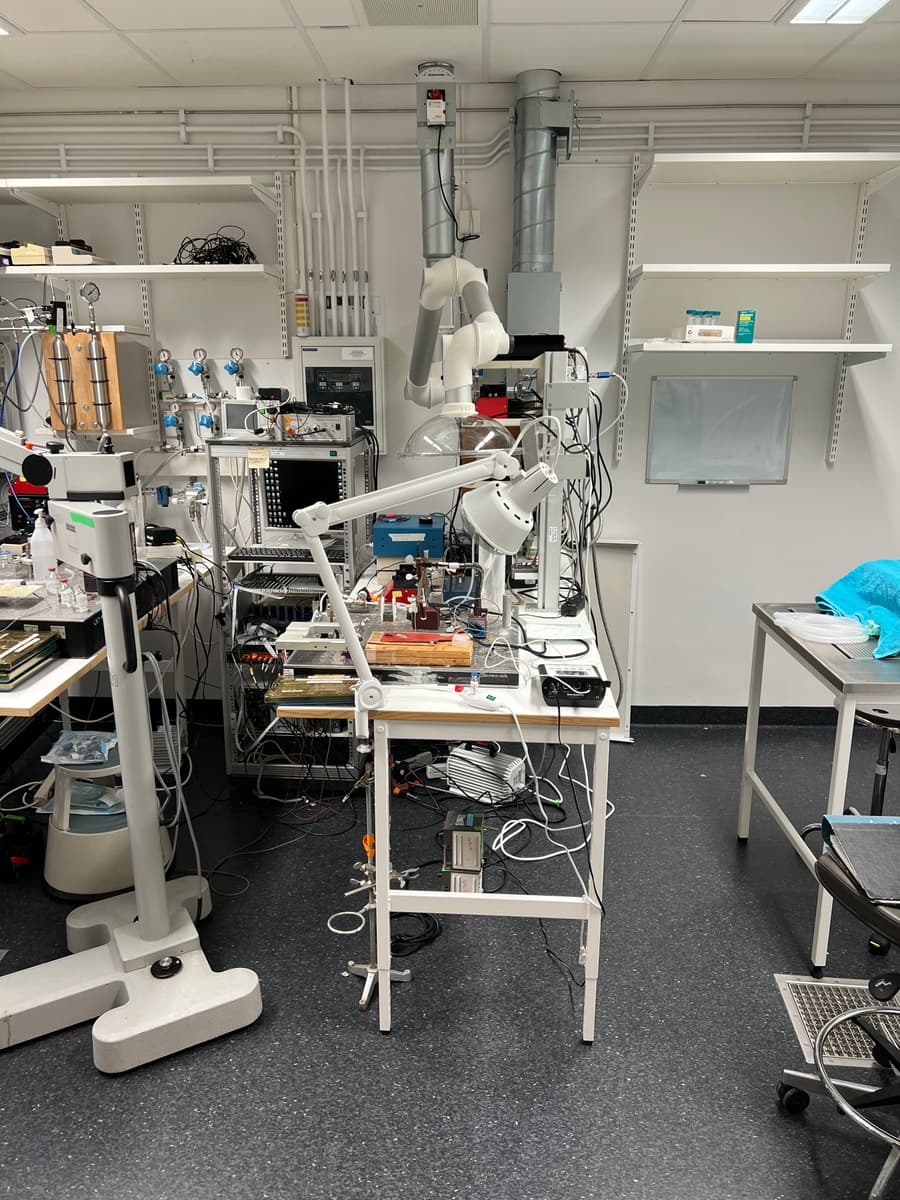
A groundbreaking study conducted by Leksum LLC has revealed that multiple doses of extracellular vesicles (EVs) could significantly reduce the risk of lung injury and diaphragm muscle dysfunction in patients undergoing mechanical ventilation (MV) in intensive care units (ICUs). The study, which took place at Leksum's state-of-the-art laboratory in Uppsala, Sweden, showed that after one dose of EVs, there was a notable improvement in the size and function of diaphragm muscle fibers, with further enhancements observed after a second dose.
Professor Lars Larsson, Leksum’s Chief Scientific Officer, highlighted the potential of EVs derived from bone marrow mesenchymal stromal cells (BM-MSCs) to combat the adverse effects associated with MV. The preliminary findings suggest an almost complete preservation of diaphragm muscle fiber size and function, a critical factor in reducing the complications and mortality rates linked to MV. The study's results are particularly promising, showing that fiber cross-sectional area (CSA) and specific force (SF) measurements for specimens receiving two doses of EVs were 93% and 94%, respectively, compared to control fibers.
The implications of this research are vast, offering a potential breakthrough in the treatment of muscle myopathy and related conditions. Mechanical ventilation, while life-saving, often leads to a complicated weaning process due to diaphragm muscle dysfunction, contributing to higher healthcare costs estimated at over $100 billion annually in the US and Europe. The success of Leksum's study could pave the way for more effective treatments, improving the quality of life for millions of patients and significantly reducing the financial burden on healthcare systems worldwide.
Leksum's scientific team is now preparing for Phase I trials in Europe, with the aim of further validating the efficacy of EVs in treating muscle myopathies. This study marks a significant step forward in the development of advanced biologic therapies for acquired muscle myopathies, including conditions like sarcopenia, cancer cachexia, and muscle-loss due to the use of weight-loss drugs. The potential of EVs to address these challenging conditions underscores the importance of continued research and investment in innovative treatments that can transform patient care.